
Un cap de setmana amb amics a Barcelona: on reservar per sopar
Prepara un sopar de cap de setmana amb amics a Brigitte, Barcelona. Descobreix la cuina francesa, les fotos i la carta actual i sol·licita taula per al grup.
Français · English · Español · Català
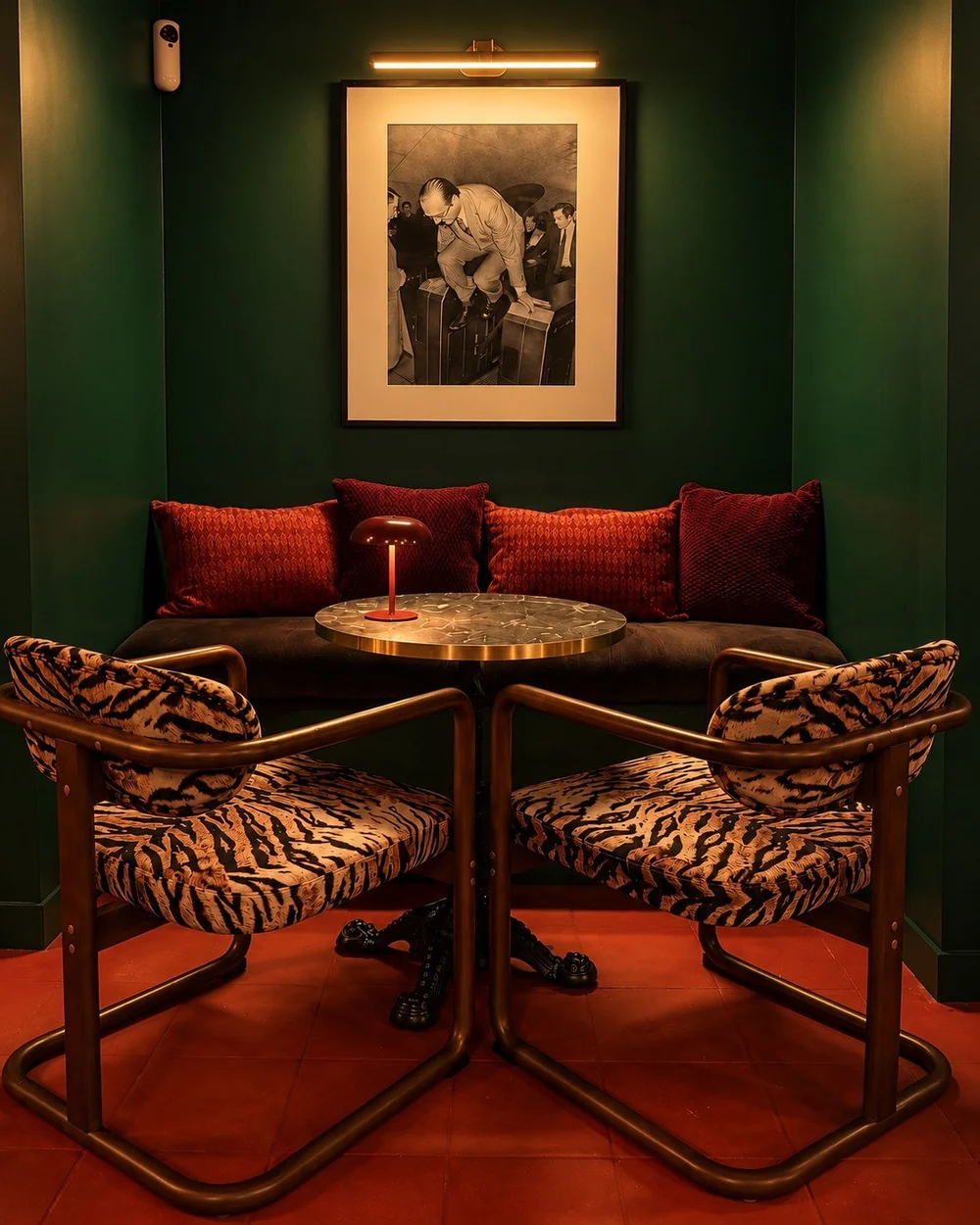
Per reservar un sopar durant un cap de setmana amb amics a Barcelona, descobreix Brigitte, un bar parisenc al número 91 del carrer d’Enric Granados. La cuina francesa, els vins de la carta i l’interior parisenc ofereixen una adreça per reunir-vos després de les activitats del dia. Mira fotografies reals i menú, i envia data, hora i nombre de persones. Comprova les possibilitats del dia escollit i espera confirmació. Podràs compartir un punt clar i deixar que els plats es decideixin segons les preferències quan el grup sigui reunit per gaudir de l’àpat que voleu compartir aquella nit plegats al voltant de la taula.
Un cap de setmana reuneix ritmes diferents. Alguns volen explorar molt i d’altres prefereixen temps lliure; les arribades poden ser esglaonades i les ganes de menjar varien. Un sopar comú dona una referència sense exigir el mateix programa diürn. Sabeu quan trobar-vos i podeu explicar què heu descobert. Brigitte ofereix un univers francès per a aquesta ocasió a Barcelona. Potser trieu per una especialitat, la decoració o una cuina que diversos volen descobrir. Preparar allò pràctic dona a aquests desitjos un lloc dins del viatge. Cadascú conserva llibertat i té una cita concreta amb els amics al final de la jornada que comparteix amb el grup.
Fer del sopar la trobada del grup
Decidiu primer quin moment voleu compartir. La primera nit pot reunir després de les arribades i una altra data convindrà a qui s’incorpora després. Revisa disponibilitats abans de seleccionar i consulta al local. Un cap de setmana no significa que cada dia o cada hora tinguin les mateixes condicions. Una petició precisa permet respondre de manera útil. Donaràs al sopar un lloc real en el viatge, amb format adequat als assistents i al temps que volen passar plegats. La invitació serà una part concreta del programa, amb dades suficients perquè tothom entengui què s’ha organitzat abans de confirmar la participació en la trobada que esteu preparant.
Un àpat comú també funciona quan cadascú tria activitats diferents. Una hora i una adreça confirmades creen una referència compartida. Els amics mantenen llibertat durant el dia i saben on reunir-se. A la nit porten impressions i històries. L’organització lleugera funciona millor amb dades fiables: nom de Brigitte, número 91 del carrer d’Enric Granados i hora acceptada. Envia-les en un missatge fàcil de trobar. Cadascú prepara el dia conservant la mateixa referència de sopar. Així és més senzill gaudir d’interessos diferents i compartir una part important del cap de setmana, amb una trobada que tothom pot localitzar entre els missatges que intercanvieu durant el viatge.
Escollir una arribada realista per als viatgers
Deixa temps adequat entre la darrera activitat i el sopar. Els amics que arriben de llocs diferents necessiten marge per arribar a una adreça. Si alguns venen a Barcelona aquell dia, considera els compromisos abans de fixar hora. Pots sol·licitar un torn realista sense programar cada desplaçament. La intenció és arribar còmodament i que el local entengui el format. Indica arribades esglaonades en preguntar i consulta com encaixen amb menjar i comandes. La resposta permet planificar sobre condicions acceptades, donant als convidats una idea clara de com s’organitzarà la taula si no tothom pot ser-hi des del començament de la nit que voleu compartir.
Un coordinador pot recollir respostes i comunicar canvis sense decidir per tothom. Reuneix data, persones i preguntes essencials, i transmet respostes confirmades. Si un altre amic vol afegir-s’hi, pregunta i espera acord abans de canviar la invitació. Aquesta atenció manté alineats assistents previstos i reals. Els altres poden aportar gustos sobre menjar i ambient. Coordinar fa fàcils de seguir els intercanvis pràctics per a convidats i restaurant. Un contacte clar ajuda quan evoluciona el programa del viatge, permetent actualitzar amb informació fiable i conservar llibertat en la resta de l’estada. Cadascú sap on consultar si té dubtes sobre la trobada prevista per sopar a Barcelona amb els amics.
Cuina francesa dins del cap de setmana
Un viatge admet desitjos culinaris diferents entre àpats. Potser busques cuina local en alguns moments i un univers francès per a una nit amb amics. Escull segons allò que atrau el grup. Brigitte aporta aquesta direcció parisenca amb una carta per mirar abans de reservar. Permet comprovar si els plats corresponen als gustos. Comparteix el menú i demana impressions. Decidir plegats és més senzill amb propostes concretes. L’elecció reflecteix una especialitat que ve de gust realment i dona a cadascú oportunitat d’opinar sobre el sopar que formarà part del viatge, amb un lloc escollit pel que ofereix i per les ganes de descobrir-lo al costat dels amics.
Els ous mimosa i els mini croques amb tòfona suggereixen maneres de començar. El tàrtar de vedella tallat a ganivet, el tàrtar de tonyina, el parmentier de confit d’ànec i les coquillettes amb pernil, emmental i tòfona ofereixen altres direccions. Els exemples presenten la identitat culinària; la carta actual estableix les propostes. Podeu arribar per una especialitat o decidir allà. Compartiu entorn amb espai per a preferències personals. Aquesta flexibilitat ajuda quan es combinen costums i ganes de menjar. Els plats es tornen part de la descoberta i ofereixen alguna cosa per comentar sense exigir la mateixa selecció a cadascú que participa en la trobada d’aquella nit.
Demanar segons la gana i les ganes de compartir
Abans de demanar, aclariu si tothom vol un sopar complet. Els ritmes del dia expliquen ganes de menjar diferents. Alguns volen un plat i d’altres prefereixen començar compartint i decidir després. Mira els formats i pregunta per quantitats. Les comandes comunes i personals es combinen segons les possibilitats. Un principi entès evita triar sense saber qui participa en cada elaboració. També permet tornar a conversar, esperant menjar seleccionat pels gustos reals. Una discussió breu afavoreix comoditat i redueix preguntes quan arriben els plats. Els amics poden centrar l’atenció a gaudir i explicar experiències, amb l’organització entesa des de les primeres comandes del grup que s’ha reunit a taula.
Els formatges francesos aporten una altra direcció, amb formats de taules i Saint-Marcellin com a referència independent. La mousse de xocolata i el brioix amb caramel poden atraure qui busca un final dolç, segons les propostes disponibles. Conserva aquestes preferències en triar el començament. Considerar el conjunt ajuda a gaudir de les especialitats importants. No calen comandes idèntiques per construir un record comú. Els gustos diferents poden ser tema de descoberta i una manera de conèixer els companys de viatge. El menjar pren forma personal dins d’una ocasió que tothom recordarà com a part del mateix cap de setmana compartit a Barcelona al voltant de la taula amb els amics.
Preparar necessitats alimentàries i begudes
Pregunta prèviament si hi ha al·lèrgies o necessitats per comprovar. Transmet informació pertinent i espera orientació sobre preparacions concretes. El nom d’un plat no revela la composició completa. Si la resposta condiciona el lloc, consulta abans de confirmar. La persona afectada pot decidir amb dades útils. Les preferències habituals es comenten allà. Organitzar amb atenció dona a cadascú un lloc còmode i deixa temps per conversar, comentar plats i explicar històries del dia. Cada convidat sabrà què s’ha comprovat i a qui dirigir-se si necessita un altre aclariment en triar entre les propostes del menú durant la visita que heu organitzat per al grup d’amics que viatgen a Barcelona.
Per a les begudes, aclareix qui vol compartir ampolla i qui prefereix demanar per separat. Els vins francesos s’exploren amb plats i pressupost com a referències. El Petit Chablis s’ofereix en ampolla a la carta definida per a Brigitte; les opcions a copes pertanyen a la seva selecció. Còctels i altres begudes es consulten entre propostes actuals. Qui no consumeix alcohol pot considerar alternatives de la carta. La taula admet eleccions diferents en una mateixa nit. Tothom conserva llibertat per participar segons els gustos, amb begudes que acompanyen el menjar i una experiència compartida on cadascú pot prendre allò que realment li ve de gust per al sopar.
Descobrir el lloc i la part següent de la nit
Les fotografies reals mostren verd ampolla, fusta fosca i miralls. Introdueixen la identitat parisenca en proposar l’adreça. Mira imatges i menú per considerar el conjunt. Si una característica de taula o una altra necessitat importa, pregunta durant la reserva. Les fotografies presenten decoració i l’equip explica organització. Podràs distingir allò atractiu del que s’ha confirmat per al grup. És útil quan hi ha expectatives diferents sobre sortir, donant referències concretes i espai per a preguntes abans de comprometre’s amb la trobada del cap de setmana. L’elecció es basa així en menjar, ambient visual i condicions acceptades per a les persones que vols reunir aquella nit al lloc.
Si importa seure fora, indica-ho i demana una resposta. La terrassa de Brigitte és petita, amb quatre taules i vuit cadires; aquesta dada no garanteix una distribució concreta per a un grup. Sopar i quedar-se després exigeix consultar possibilitats i durada del torn. Explica la seqüència i planifica amb les condicions rebudes. La nit conserva espontaneïtat mentre allò acordat queda entès. El programa posterior depèn de preferències i possibilitats confirmades. Compartir informació ajuda a triar còmodament, evitant que una expectativa sobre ubicació o permanència quedi sense comentar. Podreu gaudir del sopar amb una idea comuna i decidir la part següent segons allò que us vingui de gust fer plegats.
Acordar el pressupost i sol·licitar el sopar
Un pressupost clar facilita decidir durant un viatge. Mira preus actuals i comenta quant vol dedicar cadascú. Aclareix plats comuns i begudes personals abans de demanar. Pregunta les condicions de pagament si cal. Una conversa breu permet participar còmodament i centrar el sopar en gustos i companyia. Per a grups amplis o privatització, descriu el projecte i sol·licita les condicions aplicables. Una taula i un acte exclusiu són organitzacions diferents. Comprova confirmació i canvis d’assistents per donar una base fiable abans de tancar aquesta part del programa. Els amics tindran una idea clara de com s’organitzarà el sopar i de què els correspon per participar en la trobada que prepareu.
Escull data, hora i un nombre fiable, i envia la petició des de la pàgina de reserves del web oficial. Afegeix context i preguntes essencials, i espera confirmació abans de compartir detalls definitius. Brigitte, al número 91 del carrer d’Enric Granados, serà el punt de trobada. Coordina actualitzacions després de la resposta per mantenir la mateixa informació. Un cap de setmana guanya caràcter amb activitats i temps per a la companyia. Reservar el sopar aporta un punt comú entre ritmes diferents. La cuina francesa i l’ambient parisenc donen context; els plats i les històries situen la trobada en el record personal del viatge que heu compartit amb els amics al voltant de la taula.
Prepara la visita
Brigitte rep els membres i els seus convidats de 18 anys o més al número 91 del carrer d’Enric Granados, Barcelona. Horari anunciat: de dimarts a dissabte, de 18 h a 2 h. Consulta les condicions actuals i espera la confirmació de la reserva.
També et pot interessar

Où organiser un pot de départ à Barcelone ?
Organisez un pot de départ à Barcelone chez Brigitte, entre cuisine française et cadre parisien. Présentez date, effectif et format pour préparer la soirée.
Français · English · Español · Català
Pour organiser un pot de départ à Barcelone, découvrez Brigitte, un bar parisien au 91 du carrer d’Enric Granados. Cuisine française, boissons de la carte et décor parisien donnent une adresse à envisager pour réunir des collègues ou des amis avant une nouvelle étape. Présentez votre date, l’effectif et le format souhaité lors de la demande de réservation. L’équipe pourra répondre sur les possibilités et les conditions. Vous disposerez alors d’une base concrète pour inviter les participants, préciser la place du repas et préparer un moment qui corresponde à la personne que vous souhaitez entourer.
Un départ peut marquer un changement de travail, un déménagement ou la fin d’une période vécue ensemble. Les occasions diffèrent, mais elles ont souvent un point commun : l’envie de remercier et de prendre le temps de se retrouver. La soirée peut rester simple, avec des personnes contentes de se voir et quelques mots qui ont du sens. Le choix du lieu accompagne cette intention. Chez Brigitte, l’univers français peut donner un cadre au rendez-vous ; le caractère personnel vient des invités, des souvenirs partagés et de la manière dont vous faites place à la personne qui part.
Choisir un format qui lui ressemble
Commencez par ce que la personne apprécie. Aime-t-elle réunir plusieurs cercles, dîner avec une équipe ou retrouver un petit groupe ? Souhaite-t-elle prendre la parole, écouter quelques messages ou simplement discuter avec chacun ? Ces préférences orientent le format avant le choix des détails. Vous pouvez organiser un moment autour de premières assiettes ou envisager un véritable dîner, selon les possibilités du lieu. Une invitation pertinente explique cette intention aux participants. Ils comprennent à quoi ils sont conviés et peuvent prévoir leur présence, leur faim et le temps qu’ils souhaitent consacrer à la rencontre autour de cette nouvelle étape.
Si vous préparez une surprise, demandez-vous quels éléments peuvent vraiment rester confidentiels sans compliquer l’arrivée. Le nombre de personnes, le moment prévu et les éventuelles interventions doivent être discutés avec Brigitte lorsqu’ils concernent le fonctionnement du lieu. Un effet de surprise ne vaut pas accord pour une organisation particulière. Présentez l’idée clairement et attendez les réponses utiles. Vous pourrez ensuite retenir un programme qui fasse plaisir à la personne tout en restant réalisable. Certains gestes personnels, comme un mot écrit ou un souvenir raconté, peuvent donner une forte signification au départ avec très peu de préparation matérielle.
Réunir les invités et les disponibilités
Établissez une liste qui corresponde aux liens de la personne : collègues proches, anciens collaborateurs ou amis, selon le contexte. Si plusieurs groupes se connaissent peu, prévoyez de les présenter au début. Une courte explication du lien entre les invités suffit souvent à ouvrir les échanges. Choisissez ensuite une ou deux dates réalistes et recueillez des réponses fiables. La personne qui coordonne peut centraliser les informations pour éviter les versions contradictoires. L’objectif est de transmettre un effectif utile au lieu et un rendez-vous clair aux invités, avec une organisation lisible pour ceux qui viennent de milieux ou d’équipes différents.
Pour des participants qui sortent du travail, choisissez une heure compatible avec leurs trajets et le créneau disponible. Signalez les arrivées décalées si elles font partie du projet et demandez comment elles peuvent s’articuler avec les commandes. Une heure approximative dans l’invitation peut laisser chacun imaginer un fonctionnement différent. Préférez un horaire confirmé et un format expliqué. Le nom de Brigitte et le 91 du carrer d’Enric Granados donnent un point de rendez-vous concret. Les invités pourront arriver avec les mêmes repères, ce qui laisse davantage de place aux salutations et aux retrouvailles au début de la soirée.
La cuisine française pour accompagner la rencontre
Les œufs mimosa et les mini-croques à la truffe offrent des idées pour commencer à découvrir Brigitte. Consultez la carte actuelle et les formats afin de choisir selon l’effectif et l’appétit. Une première sélection commune peut accompagner les échanges, tandis que certains invités préféreront une commande personnelle. Demandez ce qui convient aux personnes présentes et comment organiser votre table. Le repas gagne à répondre à une intention comprise : quelques assiettes pour un rendez-vous plus court ou le début d’un dîner. Cette clarté permet de composer une commande adaptée sans laisser une partie des convives attendre un repas qui n’aurait pas été prévu.
Pour dîner, le tartare de bœuf au couteau, le tartare de thon, le parmentier de confit de canard et les coquillettes au jambon, à l’emmental et à la truffe donnent plusieurs directions gourmandes. Les propositions actuelles précisent ce qui est offert pour votre visite. Un pot de départ peut réunir des goûts différents dans un même univers culinaire. Vous pouvez laisser des choix individuels tout en partageant le moment. Si vous souhaitez une organisation particulière pour le groupe, demandez une proposition réelle avant d’annoncer un menu ou un prix. Les éléments inclus doivent être compris par l’organisateur et les invités avant confirmation.
Laisser une place aux besoins et aux préférences
Recueillez les allergies ou nécessités alimentaires qui doivent être examinées en amont. Transmettez les informations pertinentes à l’équipe et attendez sa réponse sur les préparations envisagées. Le nom d’un plat ne suffit pas à établir sa composition ni son adéquation à une situation précise. Cette démarche donne aux personnes concernées le temps de choisir. Elle peut rester discrète, avec un interlocuteur qui rassemble les questions. Le but est une participation confortable, avec des propositions que les invités peuvent réellement apprécier et des informations utiles avant de décider des assiettes communes ou des commandes individuelles pour le repas.
La fin du dîner peut aussi refléter des envies différentes. Les fromages français proposent une direction aux amateurs ; la mousse au chocolat et la brioche perdue au caramel donnent des pistes sucrées, selon la carte disponible. Si vous envisagez un gâteau apporté ou une présentation particulière, demandez ce qui est possible avant de le prévoir. Le départ peut être célébré par les échanges et la présence des proches sans ajout matériel. Les éléments supplémentaires ont leur intérêt lorsqu’ils plaisent à la personne et sont compatibles avec l’organisation convenue. Le choix peut donc rester simple, personnel et agréable pour l’ensemble du groupe.
Les boissons et la participation financière
Pour les boissons, commencez par savoir qui souhaite partager une bouteille et qui préfère commander séparément. La sélection de vins français donne une piste à explorer avec les plats. Dites vos goûts, le budget et le format pour demander conseil. Le Petit Chablis est prévu à la bouteille dans la carte définie pour Brigitte ; les vins au verre relèvent de leur sélection correspondante. Les cocktails et les autres boissons se consultent dans les propositions actuelles. Chacun peut choisir selon ses préférences, y compris les personnes qui ne prennent pas d’alcool et souhaitent regarder les autres options de la carte pour participer au moment.
La prise en charge mérite une explication avant la soirée. Une entreprise qui invite, des amis qui partagent et une cagnotte commune donnent des cadres différents. Définissez le principe, vérifiez les modalités applicables avec le lieu et transmettez aux participants ce qui les concerne. Une contribution pour un cadeau peut être gérée séparément et présentée clairement par l’organisateur. Les personnes sauront ce qui est attendu sans devoir le découvrir au moment de régler. Cette préparation permet au pot de départ de garder son attention sur la personne célébrée, avec moins de questions pratiques à résoudre entre les commandes et les conversations autour de la table.
Préparer quelques mots et un accueil attentif
Un remerciement bref peut donner un centre au rendez-vous. Vous pouvez rappeler une contribution, raconter un souvenir précis ou souhaiter une belle suite au projet de la personne. Si une intervention est prévue dans le lieu, expliquez son déroulement à l’équipe et demandez les possibilités. Aucun équipement ou usage particulier ne doit être présumé inclus dans une table réservée. Les invités peuvent aussi choisir une forme très simple, avec quelques paroles qui circulent naturellement dans les échanges. Le sens vient de la précision des souvenirs et de l’attention portée à la personne, davantage que de la longueur d’un discours ou de la quantité d’animations.
Le rôle de l’organisateur est également de faciliter les rencontres. Accueillez les personnes qui arrivent seules, présentez les groupes et rappelez les informations utiles si nécessaire. Vous pouvez ensuite profiter vous-même de la soirée au lieu de suivre un programme trop chargé. Une organisation claire laisse de la liberté à la personne qui part pour parler avec les invités. Elle permet aussi aux collègues moins proches de trouver une place dans la conversation. Le pot de départ devient ainsi un moment partagé, avec une attention réelle à ceux qui sont présents et à la manière dont chacun souhaite adresser ses remerciements ou ses encouragements pour la suite.
Demandez votre pot de départ chez Brigitte
Les photographies réelles montrent le vert bouteille, les bois sombres et les miroirs de Brigitte. Découvrez cet univers avec la carte, puis préparez une demande précisant la date, l’heure, l’effectif et le format. Pour un groupe important ou une recherche de privatisation, indiquez-le explicitement : une table et un événement exclusif impliquent des conditions différentes. Demandez aussi les modalités de confirmation et de changement d’effectif. Une réponse adaptée donnera une base fiable à votre invitation. Vous pourrez partager les détails utiles aux participants et garder les échanges d’organisation centralisés auprès d’une personne qui connaît les éléments acceptés pour la visite.
Utilisez la page de réservation du site officiel et attendez la confirmation avant d’annoncer le programme définitif. Le 91 du carrer d’Enric Granados pourra devenir le point de rencontre de vos collègues ou amis pour ce départ à Barcelone. Le repas et les boissons donneront un fil conducteur ; les paroles, les histoires et la présence des invités apporteront la dimension personnelle. Préparer un pot de départ chez Brigitte peut tenir dans cette intention : réunir les bonnes personnes, choisir un format qui leur convient et laisser du temps à celui ou celle qui part pour profiter de chacun avant la prochaine étape de son parcours.
Préparer votre visite
Brigitte reçoit ses membres et leurs invités de 18 ans et plus au 91 du carrer d’Enric Granados, à Barcelone. Horaires annoncés : du mardi au samedi, de 18 h à 2 h. Consultez les conditions actuelles et attendez la confirmation de votre réservation.
À lire aussi

Privatitzar un bar a Barcelona: organitza el teu esdeveniment a Brigitte
Organitza un esdeveniment privat a Barcelona amb cuina francesa i ambient parisenc a Brigitte. Consulta amb l’equip la data, el format i les condicions.
Français · English · Español · Català
Per organitzar un esdeveniment privat a Barcelona, presenta el projecte a Brigitte, bar parisenc al número 91 del carrer d’Enric Granados. Consulta format i condicions per a la data i el grup.
Hi ha ocasions per a les quals una taula gran no és suficient. Un aniversari, un comiat, un sopar amb clients o un retrobament poden demanar una organització més personal. Vols decidir qui convides, donar ritme a la nit i reunir el grup en un espai que encaixi amb la celebració. Privatitzar un bar a Barcelona pot ser una bona manera de començar, sempre que expliquis què necessites realment: un sopar, una trobada al voltant de plats per compartir o un esdeveniment amb detalls que s’han d’acordar amb antelació.
A Brigitte, la cuina francesa i el caràcter d’un bar parisenc donen una direcció al projecte. El verd botella, la fusta fosca, els miralls i les fotografies del local permeten imaginar la celebració en un espai amb identitat pròpia. No cal inventar una temàtica complicada per personalitzar la vetllada. Els convidats, els plats i la manera de rebre les persones poden ser suficients. Per saber si el vostre esdeveniment pot tenir lloc a Brigitte, comença presentant a l’equip la data, el nombre d’assistents i el format que t’agradaria organitzar.
Reserva de grup i ús exclusiu són peticions diferents
Una reserva de grup es refereix a un nombre de places i a una hora acordada. L’ús exclusiu necessita concretar com s’utilitzarà l’espai, qui hi assistirà i quins serveis s’inclouen. La diferència importa quan anuncies als convidats una festa privada. Has de poder explicar què s’ha confirmat exactament. Si necessites exclusivitat, digues-ho explícitament des de la primera conversa. Així l’equip podrà respondre a la petició correcta, sense interpretar que només busques una taula per sopar amb unes quantes persones dins del funcionament habitual del local.
Expressions com zona reservada o sala privada poden voler dir coses diferents segons l’establiment. En lloc de dependre d’una etiqueta, explica el resultat que busques: rebre només els teus convidats, sopar plegats o preparar una organització adequada per a la celebració. L’equip podrà indicar què és possible a Brigitte per a la data consultada. L’abast de l’acord ha de quedar clar abans d’enviar les invitacions. El que prometis al grup ha de correspondre a les condicions acceptades, incloent-hi els límits que puguin influir en el programa que tens al cap.
Deixa que l’ocasió determini el format
En un aniversari, segurament penses primer en la persona que vols celebrar i en els amics que t’agradaria reunir. Un sopar d’empresa pot servir per agrair la feina de l’equip o perquè els companys es coneguin millor. Amb clients, potser busques conversar fora d’una trobada formal. Aquestes ocasions comparteixen les ganes de passar una bona estona, però no necessiten necessàriament la mateixa recepció, el mateix àpat ni la mateixa distribució del temps. Definir el propòsit ajuda a prendre decisions que l’afavoreixin sense complicar la nit innecessàriament.
Escriu unes frases sobre allò que vols que visquin els assistents. Per exemple: arribar a una hora concreta, prendre alguna cosa, sopar i continuar conversant després. Aquesta descripció permet separar el que és essencial de les idees opcionals. Indica si has pensat en un discurs, una sorpresa o arribades esglaonades. Cal verificar-ne la viabilitat; no es pot deduir d’una sol·licitud general de privatització. Un plantejament comprensible és més fàcil de preparar que una llista llarga d’extres sense saber quins elements són prioritaris. També et servirà per revisar una proposta amb criteris clars.
La data i el nombre de persones estructuren el projecte
La primera informació útil és la data que desitges. Si tens una alternativa real, inclou-la al mateix missatge, en lloc d’enviar sol·licituds contradictòries per a un sol esdeveniment. La disponibilitat no es pot donar per feta, especialment quan s’han de coordinar moltes agendes. Explica també a quina hora podrien arribar realment els convidats. Un equip que acaba de treballar en horaris diferents potser no es podrà reunir alhora. És millor construir el programa al voltant d’una arribada viable que preparar un començament al qual una part del grup no podrà assistir.
Dedica la mateixa atenció al nombre de participants. Distingeix les persones confirmades de les que encara han de respondre i explica quan podràs facilitar una xifra més fiable. Això no vol dir que tots els canvis s’hagin de poder acceptar: les condicions de modificació s’han d’acordar amb l’equip. L’objectiu és oferir una base realista. Una estimació raonable i una data per confirmar-la són més útils que descriure l’esdeveniment com una cosa entre uns quants amics i tota l’empresa, o presentar com a definitiva una xifra que encara no ho és.
Defineix el pressupost pel que ha de cobrir
Un pressupost s’entén millor quan concretes què inclou. Vols oferir menjar i begudes? Preveure una benvinguda i que després cadascú continuï pel seu compte? Reunir-ho tot en una factura d’empresa? Aquestes decisions afecten el format i la informació que necessita l’establiment. Abans de sol·licitar una proposta, identifica què pensa pagar l’organització i si hi hauria alguna part a càrrec dels convidats, sempre que aquest funcionament s’acordi. Aclarir-ho evita expectatives diferents quan la gent comença a demanar o pregunta com es gestionarà el pagament de la vetllada.
Demana una proposta que especifiqui els elements inclosos, els que queden fora i les condicions aplicables. Un import global per si sol no permet comparar projectes diferents. Cal comprendre el format del menjar, les begudes previstes, el programa acordat i la manera de confirmar. No dedueixis d’un article d’internet que existeix una tarifa fixa, beguda il·limitada o un servei gratuït. Per al teu esdeveniment a Brigitte, la referència ha de ser allò expressament parlat i validat amb l’equip. Així el pressupost estarà relacionat amb la nit real que organitzaràs i amb els seus detalls.
Dona protagonisme a la cuina francesa
La identitat culinària del lloc pot simplificar la preparació. Comença per la carta de Brigitte i comenta quin format pot funcionar per al grup, en lloc de dissenyar un menú sense relació amb l’establiment. Els ous mimosa, els mini croques amb tòfona o els formatges francesos suggereixen idees per compartir. El parmentier de confit d’ànec i les coquillettes amb pernil i tòfona apunten a un sopar més centrat en un plat. Aquests exemples descriuen l’univers de la casa; no són un menú d’esdeveniment confirmat per a la data que vols reservar.
Per a un grup, la pregunta no és només què us agrada menjar, sinó com encaixarà el menjar en la vetllada. Un sopar amb eleccions individuals i una recepció al voltant de racions diferents necessiten preparacions diferents. Assenyala les preferències importants i les necessitats alimentàries durant els intercanvis previs. Les al·lèrgies exigeixen una comprovació directa amb l’equip. Evita anunciar un menú als convidats abans d’haver-lo acordat. Distingir les primeres idees dels plats finalment seleccionats impedeix que una conversa de preparació es converteixi en una promesa que la cuina no ha confirmat.
Pensa en les begudes de tots els convidats
Els vins francesos poden aportar caràcter a la nit, però organitzar les begudes demana algunes decisions pràctiques. Prefereixes una selecció acordada abans o que es triï durant el sopar? Qui autoritza comandes addicionals? Quin pressupost s’aplica? Aquestes preguntes no han de fer rígid l’esdeveniment. Eliminen dubtes quan els convidats ja hi són i ajuden l’equip a gestionar les peticions. Consulta què es pot preparar per al vostre format i comunica al grup només el que hagi de saber. Els acords interns de despesa poden quedar entre l’organització i l’establiment.
Recorda qui no consumeix alcohol. També ha de poder participar en la benvinguda i escollir una beguda entre les opcions disponibles. Comenta-ho com a part del projecte, sense suposar que existeix una carta o un paquet específic. Si convides clients o companys que encara no coneixes gaire, la llibertat d’elecció pot fer l’ambient més còmode. Construeix la vetllada al voltant de la conversa i el menjar, no d’un consum que tothom hagi de compartir. Una benvinguda ben pensada inclou totes les persones que has decidit convidar a aquesta trobada.
Prepara un programa que deixi espai per gaudir
Un esquema útil pot tenir només tres moments: arribada, sopar o primeres racions, i continuació de la conversa. Per a cada etapa, pensa què necessita saber l’equip. Una sorpresa obliga a coordinar les arribades. Un agraïment necessita trobar un moment compatible amb el servei. Portar un pastís o un altre element de fora necessita autorització prèvia. Són exemples d’assumptes que convé parlar, no prestacions incloses automàticament. Cada punt del programa ha de correspondre a una possibilitat acceptada pel local i a uns detalls pràctics acordats abans del dia de la celebració.
Deixa lloc per al motiu principal de la reunió: passar temps plegats. Massa activitats poden complicar una nit en què els convidats volen sobretot conversar i gaudir del sopar. La cuina francesa i el marc parisenc de Brigitte ja donen personalitat a l’esdeveniment. Una data adequada, una benvinguda clara i una proposta de menjar comprensible poden ser més útils que un programa complex. Conserva els moments que tinguin sentit per al grup i elimina els que els interrompin. Una celebració pot ser personal i cuidada sense necessitat d’omplir cada minut d’activitats.
Confirma les condicions abans de convidar
Abans de donar per acordat l’ús privat, comprova data, format, assistents, abast de la reserva i pressupost. La forma de pagament, una possible bestreta, els canvis i les condicions de cancel·lació s’han d’explicar en la conversa amb l’equip. No convé endevinar-los a partir d’altres experiències. Si un punt important és ambigu, demana que es concreti. Una confirmació útil et permet organitzar i convidar sense interpretar allò que probablement es volia dir. Ha de quedar clar què està acceptat i què continua pendent de decisió abans de comunicar el pla als altres.
En un esdeveniment professional, facilita les dades de facturació i designa una persona per centralitzar les decisions. Així es redueix el risc que el local rebi instruccions diferents de diversos companys. El mateix principi ajuda en una celebració entre amics: un organitzador transmet les modificacions i comparteix les dades confirmades. Un cop acordats els detalls, prepara una invitació senzilla. Els assistents necessiten data, hora, lloc i indicacions rellevants per participar. Allò que només afecta la preparació pot quedar entre l’equip i l’organització, mantenint la informació del convidat clara i fàcil de fer servir.
Presenta el projecte d’esdeveniment a Brigitte
Prepara un missatge curt amb l’ocasió, la data preferida, una alternativa si en tens, el nombre de persones i el format buscat. Afegeix el pressupost si ja està definit i les peticions essencials que s’han de verificar. Aquesta sol·licitud és una base per conversar, no una confirmació de disponibilitat o de serveis. Pots consultar les fotografies de la sala i la carta actual al web oficial de Brigitte per explicar amb més precisió què t’atrau. Una petició concreta facilita plantejar les preguntes adequades i avançar cap a una proposta relacionada amb el vostre projecte real.
Vols privatitzar un bar a Barcelona amb esperit parisenc? Envia el projecte a Brigitte des del web oficial i indica expressament que busques ús privat. Si utilitzes el formulari de reserves, inclou aquesta petició i espera una resposta adequada abans de considerar l’esdeveniment confirmat. L’equip podrà comentar les possibilitats de la data i les condicions corresponents. Quan tot estigui validat, podràs dedicar-te al que dona sentit a la nit: reunir les persones adequades i compartir temps al voltant de la cuina francesa a Barcelona.
Prepara la visita
Brigitte rep els membres i els seus convidats de 18 anys o més al número 91 del carrer d’Enric Granados, Barcelona. Horari anunciat: de dimarts a dissabte, de 18 h a 2 h. Consulta les condicions actuals i espera la confirmació de la reserva.
També et pot interessar

Privatiser un bar à Barcelone : organisez votre soirée chez Brigitte
Organisez votre soirée privée à Barcelone chez Brigitte : cadre parisien et cuisine française. Présentez votre date, votre groupe et votre projet.
Français · English · Español · Català
Pour un projet de privatisation à Barcelone, présentez votre événement à Brigitte, bar parisien au 91 du carrer d’Enric Granados. Le format et les conditions se définissent avec l’équipe selon la date et le groupe.
Un anniversaire, un départ, une soirée avec vos clients ou des retrouvailles méritent parfois davantage qu’une grande table. Vous souhaitez choisir vos invités, donner un rythme à l’événement et réunir tout le monde dans un lieu qui ressemble à votre idée de la soirée. Privatiser un bar à Barcelone peut répondre à cette envie, à condition de préciser ce que vous attendez réellement : un dîner, un moment autour de plusieurs assiettes ou une réception dont le déroulement doit être organisé en amont.
Chez Brigitte, l’esprit de bar parisien et la cuisine française donnent une direction à votre projet. Le décor vert bouteille, le bois sombre, les miroirs et les photographies du lieu permettent de vous projeter dans un univers déjà constitué. Vous n’avez pas besoin d’inventer un thème pour rendre la soirée personnelle : les personnes réunies, les plats et la manière de les accueillir peuvent suffire. Pour savoir si votre événement peut prendre place chez Brigitte, commencez par présenter votre date, votre effectif et le format souhaité à l’équipe.
Réserver une table et privatiser : deux demandes différentes
Une réservation de groupe concerne un nombre de places et un créneau. Une privatisation suppose un accord sur l’usage du lieu, les personnes accueillies et les prestations retenues. La différence est importante lorsque vous invitez des personnes en leur annonçant une soirée privée. Vous devez pouvoir leur dire exactement ce qui a été confirmé. Ne présentez donc pas une réservation ordinaire comme une exclusivité. Si c’est l’exclusivité que vous recherchez, formulez-la explicitement dès le premier échange, pour que la réponse de l’équipe porte sur la bonne demande.
Cette précision vaut aussi pour les expressions « espace réservé » ou « salle privée ». Elles peuvent recouvrir des réalités différentes d’un établissement à l’autre. Au lieu de vous fier à un mot, expliquez le résultat attendu : accueillir uniquement vos invités, dîner ensemble ou disposer d’une organisation adaptée à votre célébration. L’équipe pourra indiquer ce qui est envisageable chez Brigitte pour la date concernée. Le périmètre de l’accord doit ensuite être clair avant l’envoi des invitations, afin que les promesses faites au groupe correspondent aux conditions réellement validées.
Partir de l’occasion, puis choisir le bon format
Pour un anniversaire, vous pensez sans doute d’abord à la personne que vous voulez célébrer et aux amis que vous souhaitez réunir. Pour une soirée d’entreprise, les objectifs peuvent être de remercier une équipe ou de permettre à des collègues de mieux se connaître. Pour des clients, vous cherchez peut-être un cadre dans lequel discuter plus librement que pendant un rendez-vous professionnel. Ces occasions partagent une envie de convivialité, mais ne demandent pas forcément le même rythme, le même accueil ni la même disposition du repas.
Écrivez en quelques phrases ce que vous voulez que les invités vivent. Par exemple : se retrouver à une heure définie, prendre un premier verre, dîner puis poursuivre les échanges. Cette formulation simple aide à distinguer les éléments essentiels des idées secondaires. Si vous imaginez des prises de parole, une surprise ou une arrivée décalée, signalez-les. Leur faisabilité doit être vérifiée ; elle ne se déduit pas d’une demande générale de privatisation. Un projet lisible est plus facile à préparer qu’une longue liste d’options dont personne ne sait lesquelles comptent vraiment.
La date et le nombre d’invités structurent le projet
La première information utile est la date souhaitée. Si vous disposez d’une alternative, indiquez-la également, sans envoyer plusieurs demandes contradictoires pour un même événement. Une disponibilité ne se présume pas, particulièrement lorsque vous devez coordonner de nombreuses personnes. Présentez aussi l’heure à laquelle les invités pourraient réellement arriver. Une équipe qui termine sa journée à des horaires différents ne peut pas toujours se retrouver en même temps. Mieux vaut construire le programme autour d’une arrivée plausible que prévoir un début auquel une partie du groupe ne pourra pas assister.
Le nombre de participants mérite la même attention. Distinguez les personnes déjà confirmées de celles encore invitées, puis précisez à quel moment vous pourrez donner un effectif plus fiable. Cela ne signifie pas que toutes les variations pourront être acceptées : les conditions de modification sont à convenir avec l’équipe. L’objectif est d’éviter les estimations floues du type « entre quelques amis et toute l’entreprise ». Pour étudier un événement, une fourchette raisonnable et une échéance de confirmation sont plus utiles qu’un chiffre présenté comme définitif alors qu’il ne l’est pas encore.
Construire un budget que vous comprenez
Un budget d’événement gagne à être défini par ce qu’il doit couvrir. Souhaitez-vous offrir le repas et les boissons ? Prévoir un accueil, puis laisser chacun poursuivre librement ? Regrouper l’ensemble dans une facture pour l’entreprise ? Ces décisions influencent l’organisation et les informations à transmettre. Avant de demander une proposition, identifiez ce qui relève de l’organisateur et ce qui resterait à la charge des invités, si ce principe est accepté. Un budget clair évite que chacun découvre une règle différente au moment de commander ou de régler.
Demandez ensuite une proposition qui précise les éléments inclus, ceux qui ne le sont pas et les conditions applicables. Un montant global isolé ne permet pas de comparer deux projets. Il faut comprendre le format du repas, les boissons prévues, le déroulement convenu et les modalités de confirmation. Ne déduisez pas d’un article en ligne l’existence d’un tarif fixe, d’une formule illimitée ou d’une prestation gratuite. Pour votre privatisation chez Brigitte, ce sont les éléments expressément échangés et validés avec l’équipe qui doivent servir de référence à votre organisation.
Donner une place à la cuisine française
L’identité culinaire du lieu peut simplifier la soirée. Plutôt que de chercher un menu sans rapport avec Brigitte, partez de la carte et discutez du format adapté à votre groupe. Les œufs mimosa, les mini-croques à la truffe ou les fromages français évoquent des pistes à partager, tandis que le parmentier de confit de canard et les coquillettes jambon-truffe suggèrent un dîner plus centré sur un plat. Ces exemples décrivent l’univers de la maison ; ils ne constituent pas une formule de privatisation déjà confirmée pour votre date.
Pour un groupe, la question n’est pas seulement « quels plats aimons-nous ? », mais aussi « comment allons-nous les manger ensemble ? ». Un dîner avec des choix individuels et une réception organisée autour de plusieurs propositions demandent des préparations différentes. Signalez les préférences majeures et les restrictions alimentaires dès les échanges préalables. Les allergies doivent faire l’objet d’une vérification directe avec l’équipe. N’annoncez pas un menu aux invités tant qu’il n’a pas été arrêté, et gardez une distinction nette entre les idées de départ et les plats finalement retenus pour l’événement.
Penser aux boissons et aux personnes qui ne boivent pas d’alcool
Les vins français peuvent participer à l’esprit de la soirée, mais l’organisation des boissons demande quelques décisions pratiques. Voulez-vous une sélection définie à l’avance ou un choix au cours du repas ? Qui valide une commande supplémentaire ? Quel est le cadre budgétaire ? Ces questions ne rendent pas l’événement plus rigide : elles évitent les incertitudes une fois les invités présents. Demandez au lieu de vous expliquer ce qui peut être prévu pour votre format, puis communiquez aux convives uniquement les informations qui les concernent réellement.
Une réception réussie tient aussi compte des personnes qui ne consomment pas d’alcool. Elles doivent pouvoir participer au même moment d’accueil et choisir leur boisson dans les propositions disponibles. Le sujet se prépare comme le reste, sans présumer l’existence d’une carte particulière ou d’une formule spécifique. Si vous invitez des clients ou des collègues que vous connaissez encore peu, la liberté de choix contribue à une ambiance plus agréable. Il est préférable de bâtir le programme autour des échanges et du repas plutôt qu’autour d’une consommation que tout le monde ne souhaite pas partager.
Prévoir le déroulement sans surcharger la soirée
Un programme utile peut tenir en trois moments : l’arrivée, le repas ou les premières assiettes, puis la suite des échanges. Pour chaque étape, demandez-vous ce que l’équipe doit savoir. Une surprise suppose de coordonner les arrivées. Un mot de remerciement demande de choisir un moment compatible avec le service. Un gâteau ou un élément apporté de l’extérieur nécessite un accord préalable. Ce sont des exemples de points à discuter, pas des prestations incluses d’office. Leur présence dans votre programme doit correspondre à une possibilité réellement confirmée par le lieu.
Laissez également de la place à ce que vous organisez vraiment : du temps ensemble. Multiplier les animations peut compliquer une soirée dont les invités attendent surtout de parler et de profiter du dîner. La cuisine française et le cadre parisien de Brigitte donnent déjà une personnalité à l’événement. Une date bien choisie, un accueil clair et une proposition de repas comprise de tous apportent souvent davantage qu’un programme très dense. L’équilibre se trouve en gardant les moments qui ont du sens pour les personnes réunies, puis en supprimant ce qui gênerait leur déroulement.
Confirmer les conditions avant d’envoyer les invitations
Avant de considérer la privatisation comme acquise, vérifiez la date, le format, l’effectif retenu, le périmètre de la réservation et le budget convenu. Les modalités de paiement, l’acompte éventuel, les règles de modification et les conditions d’annulation doivent être expliqués dans votre échange avec l’équipe. Il ne faut pas les inventer à partir d’une pratique rencontrée ailleurs. Si un point demeure ambigu, faites-le préciser. Une confirmation exploitable est celle qui vous permet d’organiser et d’inviter vos convives sans avoir à interpréter ce qui aurait probablement été accepté.
Pour un événement professionnel, ajoutez les informations nécessaires à la facturation et désignez un interlocuteur qui centralise les décisions. Cela évite les instructions différentes envoyées au lieu par plusieurs personnes. Pour une célébration entre amis, le même principe peut être utile : une personne transmet les changements et partage les informations confirmées. Le but est de rendre les échanges fluides. Après validation, envoyez aux invités une invitation simple contenant la date, l’heure, le lieu et ce qu’ils doivent savoir pour participer. Les détails d’organisation qui concernent seulement l’équipe peuvent rester dans votre préparation.
Présentez votre projet de privatisation à Brigitte
Pour commencer, préparez un message court avec l’occasion, la date envisagée, une éventuelle alternative, le nombre de personnes et le format recherché. Ajoutez votre enveloppe budgétaire si elle est déjà définie, ainsi que les besoins essentiels à vérifier. Cette demande constitue une base de discussion ; elle n’engage pas le lieu sur une disponibilité ou une prestation avant réponse. Vous pouvez parcourir les photos de la salle et la carte sur le site de Brigitte pour décrire plus précisément ce qui vous attire et poser les bonnes questions.
Envie de privatiser un bar à Barcelone dans un esprit parisien ? Adressez votre projet à Brigitte depuis le site officiel en précisant qu’il s’agit d’une privatisation. Si vous utilisez le formulaire de réservation, indiquez clairement cette demande et attendez une réponse adaptée avant de considérer votre événement comme confirmé. L’équipe pourra échanger avec vous sur les possibilités de la date et les conditions correspondantes. Une fois ces éléments validés, vous pourrez vous concentrer sur ce qui donne son sens à la soirée : réunir les bonnes personnes et partager un vrai moment ensemble.
Préparer votre visite
Brigitte reçoit ses membres et leurs invités de 18 ans et plus au 91 du carrer d’Enric Granados, à Barcelone. Horaires annoncés : du mardi au samedi, de 18 h à 2 h. Consultez les conditions actuelles et attendez la confirmation de votre réservation.
À lire aussi
- Où fêter son anniversaire à Barcelone avec ses amis ?
- Dîner de groupe à Barcelone : comment organiser votre soirée chez Brigitte ?
- Dîner d’entreprise à Barcelone : une soirée chez Brigitte
- Où organiser un dîner de Noël d’entreprise à Barcelone ?
- Où réunir ses clients pour une soirée conviviale à Barcelone ?

Mini truffle croques in Barcelona: a French aperitif at Brigitte
Discover mini truffle croques at Brigitte in Barcelona. Explore French dishes to share, enjoy a Parisian setting and request your table for the evening.
Français · English · Español · Català
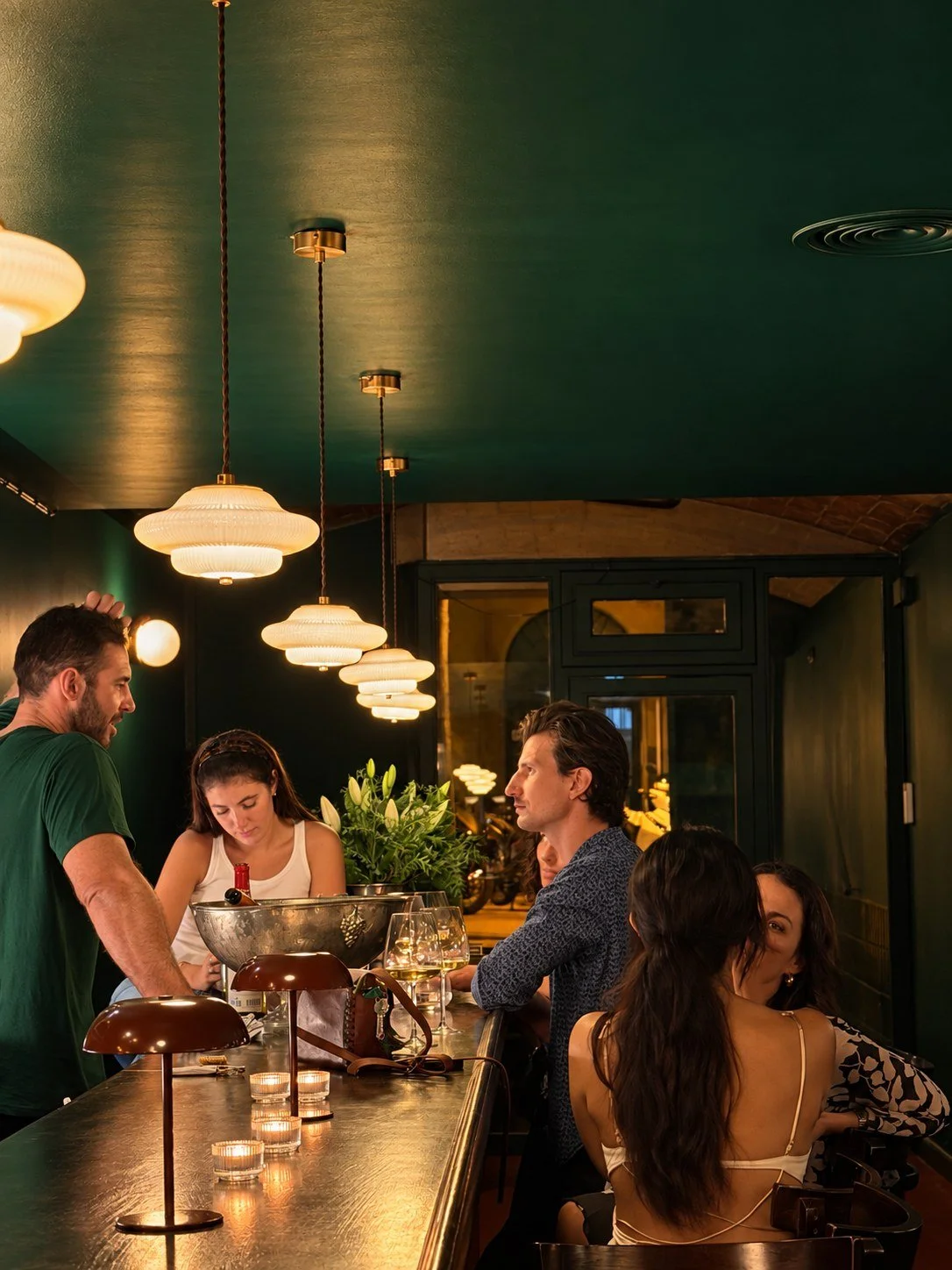
For mini truffle croques in Barcelona, discover Brigitte, a Parisian bar at 91 Carrer d’Enric Granados. This menu speciality gives you a straightforward way to begin the evening: something appealing for the table, people you want to see and time to choose the rest of dinner. Check the current menu for the offer and price, then plan your visit around an aperitif or a full meal. The same first plate can introduce different kinds of evenings without requiring everyone to follow an identical dining programme.
The aperitif is often when a gathering takes shape. Guests have just arrived, the working day is ending and conversations begin to move around the table. You may not have decided every course; you mainly know who you want to spend time with. Mini truffle croques provide a concrete first choice in that setting. They can open dinner, accompany the first conversation or introduce French food to friends discovering Brigitte. A simple idea for the start can be enough to make an invitation easy to accept and the evening easy to imagine.
Why a smaller format invites sharing
The word mini suggests a different intention from a dish kept entirely to yourself. It brings to mind pieces that can be offered around while people settle in. This does not mean one portion automatically suits every group. Its value is the possibility of building the order around the number who want to participate and the role of the first plate. A taste before dinner and an aperitif made up of several dishes answer different appetites. The current serving format matters more than a general assumption about how much a small dish will provide.
Sharing works best when the intention is clear. If you are ordering for the table, establish who would like some and what might follow. Certain guests want to begin together; others already know their main dish. You do not need a collective decision about everything, but a few words prevent different expectations. The croques can become the first shared food without turning every later plate into a compulsory group choice. It keeps the welcome easy while leaving room for individual appetites as the meal progresses and the conversation becomes more settled.
Truffle gives the choice its direction
The dish name puts truffle at the centre. For people who enjoy that aroma, it may be the detail that prompts the order. For others, it is an opportunity to ask and decide whether they want to taste. Guests do not need to enjoy identical flavours to dine together. A table can bring enthusiasts together with people who prefer another first plate. A good introduction leaves that freedom intact. Discovery is more pleasant when it comes from curiosity rather than an expectation that everybody must try whatever one person considers essential to the evening.
A title does not describe every ingredient or preparation detail. Read the current description and ask if composition matters to you. The presence of truffle in the name does not establish a particular variety, origin or recipe. The reference at Brigitte is the actual dish being offered by the kitchen. That helps you arrive with an accurate expectation rather than attaching the name to a preparation tasted somewhere else. A short clarification lets you appreciate this version on its own terms and decide whether it matches what you currently want to eat.
A French beginning in Barcelona
Brigitte combines French food with a Parisian setting. Genuine photographs show bottle green, dark wood, mirrors and room details. They help you imagine the first plates arriving and the group coming together. You might choose the venue because you want a French speciality or because you need somewhere to talk, eat and give a familiar evening a different atmosphere. Food and setting work together here. Browsing photographs alongside the menu connects a specific dish with the occasion and the people rather than leaving it as an isolated item in a search.
The idea can appeal to Barcelona residents and visiting friends alike. For residents, it offers a way to return to French references within the city. For visitors, it can be an evening planned around company and atmosphere instead of a checklist of restaurants. Mini croques become a practical detail that starts the invitation. They do not need to be the only reason for coming to contribute to the memory of the night. Sometimes the best beginning is simply knowing where you will meet and what you might like to taste together first.
Start dinner without ordering everything at once
You may want a first drink and croques before deciding how to continue. This leaves time to read the menu and hear companions' preferences. It does not require immediately ordering every speciality that catches your eye. Consider the whole meal: individual mains, further shared dishes or a dessert somebody is particularly looking forward to. The answer can remain flexible. The point is to leave room for the part each person most wants, rather than letting a long first order decide the entire evening before anyone has considered their actual appetite.
Quantities depend on that intention. A first taste before a main course is different from dinner built around several plates. Current formats and the group's hunger provide better guidance than a fixed rule. Ask for advice while explaining how you want to eat. This can make the order clear without making the evening rigid. You know where to begin, then remain free to continue as appetites and choices become clearer. The practical aim is enjoyable food at the right moment, not completing an imaginary sequence because it appeared on a menu.
Which French dishes could follow?
Eggs mimosa offer another entry into Brigitte's French cooking. They may interest guests who want to explore several classics or prefer a different start. Homemade foie gras is another possibility when currently available. There is no need to bring every idea into one order. Choose what genuinely appeals and check availability if a dish determines your visit. Dinner is usually more enjoyable when it consists of wanted choices rather than an accumulation of references ordered simply because they seem representative of French food or have been recommended by another person at the table.
For the next step, some guests may consider hand-cut beef tartare or tuna tartare, while others prefer duck confit parmentier. Ham, Emmental and truffle coquillettes suggest another comforting direction. Consult the current menu to see what is offered. Mini croques can precede these choices without imposing one correct combination. A shared first plate followed by different main dishes is already a natural way to eat together. The common element is the time you have made for one another, even when the food leads each guest towards a different part of the menu.
Choose drinks around the table
Choose an aperitif drink from the current list according to what you enjoy. When looking at French wines, explain your preferences and whether you want a glass or a shared bottle. Truffle does not create an obligation to follow a single pairing. Available references, any other food and the group's tastes are useful starting points. Check prices before choosing, especially when arranging a gathering with shared costs. The decision can stay straightforward while still respecting what the people drinking actually like and what they have agreed to spend during the evening.
Guests who do not drink alcohol belong fully in the welcome. They can choose another available drink without following a collective wine order. Agree what is communal and what remains individual so the arrangement stays simple. A bottle shared by some guests does not necessarily involve everybody. These details can be settled in a few words, then conversation can take over. An aperitif works particularly well when people feel free to select something that suits them rather than trying to fit a consumption pattern they did not choose or do not enjoy.
A reason to meet friends
The real question is not always where to find a particular cuisine. It may be where to see a friend you rarely meet, gather neighbours or take people spending a few days in Barcelona. A clear first idea makes the invitation easier: meeting at Brigitte for mini truffle croques and choosing the rest afterwards gives everyone something concrete to imagine. It suggests a beginning without turning the evening into an elaborate plan. Food can start the conversation before you arrive by giving the group a shared idea that remains open to individual choices.
Gather the practical information: a date, an arrival time everyone can manage and the number attending. Tell the team if the group is large or there is a celebration. A table for a few friends and an organised event may require different arrangements. Once confirmed, send a simple invitation with accurate details. The purpose is not to formalise friendship. It is to avoid guests arriving with different ideas about what has been reserved or how the meal will work. A little clarity beforehand leaves the table itself free for the conversation you wanted to have.
Check the details and request a table
Ask the team directly about ingredients, allergies or dietary requirements before ordering. Neither the small format nor the name is enough to establish suitability. A requested modification also needs agreement. Checking a need clearly is easier than planning around an adaptation that the kitchen has not accepted. Similarly, an older photograph does not confirm today's portion or availability. If croques are essential to the visit, ask before finalising the plan. This preparation protects an important expectation without taking spontaneity away from choosing drinks, other dishes or the pace of the evening once you arrive.
To discover mini truffle croques in Barcelona, explore Brigitte's current menu and genuine venue photographs. Then send a request through the reservation page on the official website with your date, arrival time and guest count. Read the displayed conditions and wait for confirmation before considering the table secured. Include essential questions about the dish or arrangements and wait for their answers. You can then meet your companions at 91 Carrer d’Enric Granados and let this first shared taste set the tone for a French evening in Barcelona with the Parisian character of Brigitte.
Plan your visit
Brigitte welcomes members and their guests aged 18 and over at 91 carrer d’Enric Granados, Barcelona. Stated hours are Tuesday to Saturday, 6 pm to 2 am. Check current arrangements and wait for your reservation confirmation.
Related reading

Où manger un bon foie gras maison à Barcelone ? Découvrez Brigitte
Envie de foie gras maison à Barcelone ? Découvrez l’esprit parisien de Brigitte, consultez la carte actuelle et préparez votre réservation pour le dîner.
Français · English · Español · Català
Le foie gras maison fait partie des spécialités à rechercher dans la carte actuelle de Brigitte, bar parisien au 91 du carrer d’Enric Granados à Barcelone. Vérifiez sa disponibilité pour votre visite.
Une envie de foie gras n’est pas exactement une recherche de restaurant comme les autres. Vous avez parfois déjà le plat en tête avant de savoir avec qui vous allez dîner ou comment se déroulera la soirée. À Barcelone, cette envie peut être liée à un souvenir de table française, à une occasion à célébrer ou simplement au plaisir de retrouver une spécialité que vous aimez. Pour choisir une adresse, il est utile de regarder autant la place du foie gras dans la carte que le cadre dans lequel vous souhaitez le savourer.
Brigitte associe cuisine française et esprit de bar parisien. Le foie gras maison fait partie des spécialités à rechercher dans sa carte actuelle, sous réserve de disponibilité. Avant de construire toute votre visite autour de cette assiette, vérifiez qu’elle est proposée pour le service souhaité. Vous pourrez ensuite imaginer votre dîner : une entrée attendue depuis longtemps, plusieurs assiettes à partager ou une soirée dont le foie gras sera l’un des temps forts. Cette préparation simple vous permet de choisir une adresse pour une expérience réelle, plutôt que pour une promesse supposée.
Une spécialité française que l’on choisit pour elle-même
Le foie gras occupe une place particulière dans l’imaginaire de la cuisine française. Pour certains, il évoque les repas de fête ; pour d’autres, il est surtout lié à une texture et à un goût qu’ils ont plaisir à retrouver. Rien ne vous oblige à attendre une grande occasion pour en commander. Une soirée avec des amis, un dîner à deux ou la visite d’une personne qui apprécie les spécialités françaises peuvent être des raisons suffisantes. Le bon moment est celui où vous avez réellement envie de prendre le temps de cette assiette.
La recherche d’un « bon foie gras » reste personnelle. Les préférences ne sont pas identiques d’un convive à l’autre, et un classement universel ne vous dira pas forcément ce qui vous plaira. Mieux vaut lire la proposition du restaurant, regarder une photographie réelle lorsqu’elle est disponible et demander des précisions sur ce qui vous importe. Cette démarche est plus utile qu’une affirmation de « meilleur foie gras de Barcelone » qui ne serait appuyée par aucun élément comparable. Chez Brigitte, partez du plat proposé et de vos goûts pour préparer votre choix.
Ce que signifie la mention « maison » dans votre choix
Quand vous recherchez un foie gras maison, vous exprimez souvent une envie de préparation propre au lieu. Cette mention mérite d’être accompagnée d’informations concrètes si vous avez des attentes particulières. Demandez comment le plat est présenté et quels accompagnements sont prévus au moment de votre visite. Ne déduisez pas automatiquement d’un intitulé une origine, une recette, une méthode de cuisson ou un assaisonnement précis. Ces éléments peuvent vous intéresser, mais ils doivent venir d’une information confirmée par l’établissement plutôt que d’une description générale de la cuisine française.
Le même raisonnement s’applique à la portion et à la manière de commander. Une photographie donne une idée visuelle, sans toujours expliquer le format exact de l’assiette disponible aujourd’hui. Si vous voulez goûter à plusieurs ou en faire votre entrée principale, dites-le à l’équipe. Elle pourra vous renseigner sur la proposition actuelle. Votre décision sera alors liée au repas que vous préparez réellement. Il est plus agréable de clarifier ce point avant la commande que de constater ensuite que toute la table avait imaginé une dégustation ou une quantité différente.
Choisir le cadre de votre dégustation
La même assiette ne joue pas le même rôle dans toutes les soirées. Vous pouvez chercher un dîner calme à deux, une première étape dans un repas entre amis ou une spécialité à faire découvrir à des proches de passage. Le cadre participe à cette décision. Brigitte propose un univers parisien dont les photos montrent les tons vert bouteille, le bois sombre et les miroirs. Parcourir ces images aide à comprendre l’identité du lieu et à voir si elle correspond à l’occasion que vous avez en tête.
Pensez aussi au rythme que vous souhaitez donner à la visite. Si le foie gras est la raison principale de votre réservation, vous aurez sans doute envie de lui réserver une vraie place dans le repas. Évitez alors de commander immédiatement toutes les autres assiettes sans réfléchir à la suite. Vous pouvez commencer par échanger avec l’équipe sur l’ensemble de vos envies. Cela ne suppose pas de rendre le dîner compliqué : il s’agit simplement d’organiser la commande pour que la spécialité attendue soit savourée au bon moment par les personnes qui souhaitent la découvrir.
Le partager ou le choisir comme entrée
Partager une assiette peut être une manière de faire découvrir le foie gras à quelqu’un qui ne le connaît pas, ou de goûter plusieurs spécialités françaises pendant le même repas. Mais partager ne signifie pas que n’importe quelle portion convient à n’importe quel groupe. Indiquez combien de personnes souhaitent en manger et quelles autres propositions vous envisagez. Les conseils de quantité doivent partir du format réel servi chez Brigitte, de l’appétit du groupe et de la place de cette dégustation dans votre dîner.
Choisir le foie gras comme entrée individuelle répond à une autre intention : vous voulez profiter pleinement du plat avant de poursuivre. Ce choix peut simplifier la commande si les autres convives ont des envies différentes. Certains peuvent préférer les œufs mimosa ou les mini-croques à la truffe, tandis que vous commencez par le foie gras. Une table conviviale n’a pas besoin d’une commande identique pour tout le monde. Le plaisir de manger ensemble vient aussi de la possibilité d’échanger autour de ce que chacun a choisi selon ses goûts.
Que commander après le foie gras ?
La suite du repas dépend d’abord de votre appétit. Le tartare de bœuf au couteau et le tartare de thon orientent la commande vers des préparations crues, tandis que le parmentier de confit de canard ou les coquillettes au jambon et à la truffe répondent à une envie plus réconfortante. Ces exemples donnent une idée de l’univers culinaire de Brigitte ; consultez la carte du moment pour vérifier les plats réellement proposés. Vous n’êtes pas obligé de choisir à l’avance une succession précise si vous préférez décider sur place.
Vous pouvez également construire un dîner autour de plusieurs assiettes, avec des choix adaptés au groupe. Dans ce cas, évitez de traiter chaque envie comme un ajout indépendant : pensez au volume du repas entier. Une première spécialité, un plat attendu, des fromages et un dessert peuvent représenter des intentions très différentes selon les personnes. Expliquez ce que vous recherchez plutôt que de demander une recommandation abstraite. Dire « nous voulons goûter plusieurs choses en gardant de la place pour le dessert » aide davantage à organiser la commande qu’une simple liste de noms.
Choisir un vin en fonction de votre plaisir
L’association du foie gras et du vin suscite parfois des idées très arrêtées. Pourtant, le meilleur point de départ reste ce que vous aimez boire. Dites à l’équipe si vous préférez un blanc, un rouge ou un autre style, et si vous cherchez un verre pour cette assiette ou une bouteille pour plusieurs étapes du dîner. Sans connaître la sélection disponible au service concerné, il serait artificiel d’annoncer un accord imposé. La carte des vins de Brigitte et vos préférences doivent guider la discussion.
Si plusieurs convives partagent une bouteille, tenez compte des autres plats et de leurs goûts. Il est possible que le foie gras ne soit qu’une des assiettes de la table. Une référence choisie pour l’ensemble du repas ne répond pas exactement au même besoin qu’un verre pris pour une dégustation précise. Clarifiez aussi le budget avant de choisir. Vous n’avez pas besoin de maîtriser les appellations pour apprécier un vin : exprimer ce que vous recherchez, vérifier le prix et demander un conseil suffit à prendre une décision qui vous ressemble.
Une occasion à célébrer, ou simplement une envie
Le foie gras peut donner une tonalité particulière à un anniversaire, à un dîner en amoureux ou à une soirée où l’on reçoit des amis. Si vous organisez la sortie, commencez par vérifier que les personnes invitées apprécient ce type de spécialité. Une envie personnelle ne doit pas devenir une obligation pour toute la table. Prévoyez des possibilités différentes dans la carte et laissez les convives choisir. Cela contribue à une soirée plus détendue, surtout lorsque certains découvrent la cuisine française ou ont des habitudes alimentaires différentes.
Pour un groupe important, ne supposez pas qu’une proposition de la carte individuelle sera disponible dans le même format pour l’ensemble de l’événement. Présentez votre projet à l’équipe, précisez l’effectif et indiquez que le foie gras fait partie de vos souhaits. Sa présence éventuelle doit être confirmée dans la proposition retenue. Cette démarche est particulièrement utile pour une privatisation ou un dîner d’entreprise. Vous pourrez ensuite informer les invités à partir d’un menu réellement arrêté, plutôt que d’annoncer une spécialité qui n’aurait été envisagée que dans les premiers échanges.
Vérifier les informations qui comptent avant de venir
Les informations les plus utiles sont celles qui concernent votre visite précise : disponibilité du plat, prix actuel, format servi et ingrédients si vous avez une question particulière. Si une personne a une allergie ou une contrainte alimentaire, signalez-la avant de commander et demandez ce qui peut être proposé. Ne concluez pas qu’un plat est adapté à partir de son nom seulement. Le détail de la préparation et les conditions du service doivent être vérifiés avec l’équipe, qui connaît la proposition du moment et peut répondre à votre situation.
Il est aussi utile de distinguer un souhait d’une réservation confirmée. Demander une table en mentionnant votre envie de foie gras ne vaut pas nécessairement confirmation de sa disponibilité. Si cette assiette détermine votre visite, formulez la question clairement et attendez la réponse. De la même manière, l’envoi d’un formulaire ne remplace pas la confirmation de réservation. Vérifiez les conditions affichées au moment de la demande et transmettez aux accompagnants les informations effectivement validées. Ces quelques vérifications évitent les malentendus et laissent davantage de place au plaisir une fois sur place.
Préparer votre soirée française chez Brigitte
Pour choisir où manger du foie gras à Barcelone, associez votre envie du plat à une idée claire de la soirée. Regardez la carte actuelle de Brigitte, consultez les photographies réelles du lieu et décidez avec qui vous souhaitez venir. Si vous avez besoin d’une information sur le foie gras maison, posez votre question avant de finaliser le programme. Vous aurez ainsi une base concrète pour organiser le dîner, qu’il s’agisse d’une simple envie de cuisine française ou d’une occasion que vous souhaitez célébrer autour de la table.
Envie de découvrir Brigitte ? Consultez la carte et envoyez votre demande depuis la page de réservation du site officiel. Précisez la date, l’heure et le nombre de personnes, ainsi que votre intérêt pour le foie gras si sa disponibilité est essentielle pour vous. Attendez la confirmation et la réponse aux éventuelles demandes particulières avant de considérer votre projet comme définitif. Il ne restera ensuite qu’à retrouver vos invités, choisir le reste de votre repas et savourer une soirée française à Barcelone dans l’esprit parisien de Brigitte.
Préparer votre visite
Brigitte reçoit ses membres et leurs invités de 18 ans et plus au 91 du carrer d’Enric Granados, à Barcelone. Horaires annoncés : du mardi au samedi, de 18 h à 2 h. Consultez les conditions actuelles et attendez la confirmation de votre réservation.
À lire aussi

Dónde organizar una despedida en Barcelona
Organiza una despedida en Barcelona en Brigitte, con cocina francesa y ambiente parisino. Presenta fecha, personas y formato para preparar vuestro encuentro.
Français · English · Español · Català
Para organizar una despedida en Barcelona, descubre Brigitte, un bar parisino en el número 91 de la calle Enric Granados. La cocina francesa, las bebidas de la carta y el interior parisino ofrecen una dirección para reunir a compañeros o amigos antes de una nueva etapa. Envía fecha, número de personas y formato al solicitar la reserva. El equipo podrá orientar sobre posibilidades y condiciones. Tendrás una base concreta para invitar, explicar el lugar de la comida y preparar una ocasión adecuada a quien quieres acompañar. Fotografías y carta permiten conocer el local antes de decidir cómo plantear el encuentro.
Una despedida puede marcar un cambio de trabajo, una mudanza o el final de un periodo compartido. Las ocasiones difieren, pero suelen tener una intención común: agradecer y dedicar tiempo a verse. La reunión puede ser sencilla, con personas contentas de encontrarse y unas palabras significativas. Elegir el sitio acompaña ese propósito. En Brigitte, la cocina francesa y el ambiente parisino aportan un marco; los invitados, los recuerdos y la atención a quien se marcha dan sentido personal. Una preparación útil deja espacio a esos elementos y permite que la conversación ocupe su lugar durante la noche que habéis elegido compartir.
Escoger un formato adecuado a quien se marcha
Empieza con lo que disfruta esa persona. ¿Le gustaría juntar varios círculos, cenar con su equipo o encontrarse con un grupo reducido? ¿Quiere hablar, escuchar mensajes o conversar con cada invitado? Las preferencias orientan el formato antes de otros detalles. Puedes plantear unas primeras elaboraciones o una cena, según las posibilidades del local. Una invitación pertinente explica la intención. Los invitados entienden a qué acuden y pueden prever asistencia, apetito y tiempo disponible. La ocasión toma forma alrededor de quien se marcha y de cómo le apetece compartir este cambio con las personas a las que quiere ver antes de comenzar otra etapa.
Si preparas una sorpresa, piensa qué puede mantenerse en privado sin complicar la llegada. El número de personas, el momento y las intervenciones deben comentarse con Brigitte cuando afecten al funcionamiento. Una sorpresa no establece autorización para cualquier formato. Explica la idea y espera las respuestas necesarias. Después podrás conservar un programa agradable y viable. Gestos como una nota o un recuerdo concreto pueden dar mucho significado con poca preparación material. Escoge lo que corresponde a la persona, dejando que las actividades adicionales tengan sentido por lo que aportan al encuentro y por las posibilidades realmente acordadas para la visita del grupo.
Reunir invitados y disponibilidades
Crea una lista que refleje los vínculos de la persona: compañeros cercanos, antiguos colaboradores o amigos. Si los círculos apenas se conocen, piensa en presentarlos al comenzar. Explicar brevemente las relaciones suele abrir conversaciones. Escoge una o dos fechas realistas y reúne respuestas fiables. Una persona coordinadora puede centralizar los datos y evitar versiones contradictorias. La intención es comunicar al local un recuento útil y a los invitados un encuentro claro. Ayuda especialmente cuando proceden de distintos equipos, organizaciones o grupos de amigos y necesitan un poco de contexto para sentirse cómodos al participar en la ocasión que estás preparando para ellos.
Para quienes salen de trabajar, busca una llegada compatible con sus trayectos y el turno disponible. Menciona las llegadas escalonadas si forman parte del plan y consulta cómo encajan con los pedidos. Una hora aproximada puede hacer imaginar sistemas diferentes. Prefiere un inicio confirmado y un formato explicado. El nombre de Brigitte y el número 91 de la calle Enric Granados dan un punto concreto. Todos podrán acudir con referencias comunes y dejar los primeros minutos para saludar. La claridad también permite a quienes tienen otro compromiso decidir cuánto tiempo pueden participar y comunicarlo antes de cerrar las condiciones definitivas del encuentro.
Cocina francesa para acompañar la reunión
Los huevos mimosa y los mini croques con trufa ofrecen ideas para comenzar a descubrir Brigitte. Consulta carta y formatos antes de elegir según personas y apetito. Las primeras elaboraciones compartidas pueden acompañar la conversación, mientras algunos prefieren pedidos individuales. Pregunta qué conviene a los invitados y cómo organizar la mesa. La comida gana con un propósito comprendido: unas propuestas para un rato breve o el comienzo de una cena. Esa distinción ayuda a componer el pedido y entender la invitación. Todos podrán prepararse con una idea justa del encuentro y de la importancia que tendrá la comida durante el tiempo compartido.
Para cenar, el tartar de ternera cortado a cuchillo, el tartar de atún, el parmentier de confit de pato y las coquillettes con jamón, emmental y trufa ofrecen distintas direcciones. La carta actual establece las propuestas de la visita. Una despedida puede reunir gustos diferentes dentro de una cocina común. Los pedidos personales conservan espacio. Si deseas una organización especial de grupo, solicita una propuesta real antes de anunciar menú o precio. Los elementos incluidos deben entenderse antes de confirmar. Así quedan abiertas las preferencias y el local recibe datos útiles sobre cómo esperas que funcione la comida para las personas que asistirán.
Dar espacio a necesidades y preferencias
Recoge alergias o necesidades alimentarias que deban revisarse previamente. Transmite datos pertinentes y espera orientación sobre las preparaciones. El nombre no establece todos los ingredientes ni la adecuación a una situación concreta. Preguntar da tiempo para valorar opciones. La gestión puede ser discreta, con un contacto que reúna consultas. Participar con comodidad es el objetivo, con propuestas que se puedan disfrutar e información útil antes de elegir pedidos compartidos o individuales. Las necesidades se resuelven dentro de la preparación, para que la persona llegue sabiendo a quién dirigirse si necesita otra aclaración al mirar la carta o comenzar la cena con sus compañeros.
El final también puede reflejar preferencias diversas. Los quesos franceses orientan a quienes los disfrutan; la mousse de chocolate y el brioche con caramelo sugieren una conclusión dulce, según la carta disponible. Si piensas en una tarta externa o presentación especial, aclara las posibilidades antes. La conversación y la presencia de amigos pueden celebrar el cambio sin añadidos materiales. Los elementos extra importan cuando corresponden a la persona y al acuerdo. La elección puede ser sencilla y personal, dando al grupo un final cómodo dentro del tiempo reservado. Cada invitado tendrá espacio para decidir qué le apetece después de los platos principales.
Bebidas y participación económica
Para las bebidas, averigua quién quiere compartir botella y quién prefiere pedir aparte. Los vinos franceses ofrecen una dirección junto a la comida. Describe gustos, presupuesto y formato al solicitar consejo. El Petit Chablis se ofrece por botella en la carta definida para Brigitte; los vinos por copa pertenecen a su selección. Cócteles y otras bebidas se consultan en las opciones actuales. Cada invitado puede seguir una preferencia, incluidas las personas que no consumen alcohol. La ocasión continúa siendo compartida con elecciones diferentes alrededor de la mesa y con libertad para disfrutar de lo que conviene a cada uno durante el encuentro.
Explica la participación económica antes. Una empresa que invita, amigos que reparten y una aportación común crean marcos distintos. Acordad el principio, verificad las condiciones del local y comunicad a los participantes lo que les afecta. Una recogida para un regalo puede gestionarse aparte y explicarse claramente. Todos sabrán qué se espera antes de la cuenta. Esto mantiene la despedida centrada en la persona, con menos cuestiones prácticas durante pedidos y conversaciones. Sea cual sea el sistema, aseguraos de entender la misma organización y de que el local haya confirmado las partes relativas a cómo se pedirá y abonará la cena del grupo.
Preparar palabras significativas y una buena acogida
Un agradecimiento breve puede dar un centro a la reunión. Menciona una contribución, cuenta una historia concreta o desea una buena continuación. Si hay una intervención prevista, explica su funcionamiento y pregunta las posibilidades. Equipamiento o usos particulares no deben suponerse incluidos en una reserva de mesa. También podéis mantenerlo sencillo y dejar que unas palabras aparezcan en la conversación. El significado está en los recuerdos precisos y la atención a quien se marcha. Escoge una forma que permita disfrutar y responder a su manera, con tiempo para conversar después con las personas que han querido estar presentes durante la despedida.
La organización también facilita los encuentros. Recibe a quien llega solo, presenta círculos y repite información útil cuando sea necesario. Después deja espacio para disfrutar tú mismo en lugar de seguir un programa sobrecargado. Unas condiciones claras permiten a quien se marcha hablar con los invitados. Quienes conocen a menos personas encuentran sitio en la conversación. La ocasión se convierte en tiempo compartido con atención real a todos y a sus formas de expresar agradecimiento o ánimo. Tu papel consiste en favorecer esos intercambios, usando el marco y la comida para reunir cómodamente a las personas alrededor del motivo que les ha llevado allí.
Solicita tu despedida en Brigitte
Las fotografías reales muestran verde botella, madera oscura y espejos. Explora ese entorno con la carta y prepara una petición indicando fecha, hora, personas y formato. Para grupos amplios o privatización, dilo expresamente: una mesa y un evento exclusivo tienen condiciones diferentes. Pregunta también por confirmación y cambios de asistentes. Una respuesta pertinente aporta una base fiable a la invitación. Comparte datos útiles y coordina mediante alguien que conozca lo aceptado. Los invitados llegarán sabiendo dónde se encuentran y cómo se organiza la ocasión para la persona a quien quieren acompañar antes de su marcha y del comienzo de un nuevo proyecto.
Utiliza la página de reservas del sitio oficial y espera confirmación antes de anunciar el programa definitivo. En el número 91 de la calle Enric Granados, compañeros o amigos podrán reunirse para esta despedida en Barcelona. Comida y bebidas aportan un hilo común; palabras, historias y compañía dan sentido personal. Preparar una despedida en Brigitte puede apoyarse en esa intención: invitar a las personas adecuadas, escoger un formato cómodo y dejar a quien se marcha tiempo para disfrutar de todos. La ocasión señala un cambio y da lugar a recuerdos y conversaciones antes de que empiece la siguiente etapa del amigo o compañero que celebráis.
Prepara tu visita
Brigitte recibe a sus miembros y sus invitados de 18 años o más en el número 91 de la calle Enric Granados, Barcelona. Horario anunciado: de martes a sábado, de 18 h a 2 h. Consulta las condiciones actuales y espera la confirmación de tu reserva.
También te puede interesar

Chocolate mousse in Barcelona: a French dessert at Brigitte
Discover chocolate mousse at Brigitte in Barcelona, with French cooking and a Parisian setting. Explore the current menu and request your next dinner table.
Français · English · Español · Català
For chocolate mousse after a French dinner in Barcelona, explore Brigitte's menu at 91 Carrer d’Enric Granados. The Parisian bar offers a setting for guests who already know they want chocolate and those who prefer deciding after their main dish. Check the current menu for price and availability, then plan a visit around your tastes and companions. Dessert can be something to anticipate without requiring the whole table to order alike. The shared experience is the evening itself, while the last course can follow each person's appetite and preference.
Some desserts are chosen for an unfamiliar flavour, others because you recognise exactly what you fancy. Chocolate mousse often belongs to the latter group: its name alone suggests how you might like to end dinner. At Brigitte, that wish can fit an evening of French cooking after tartare, duck confit parmentier or another current dish. It becomes an anticipated moment without a compulsory sequence for everybody. You can build a meal around the part you especially enjoy while leaving friends space to discover other plates and finish their dinner in another way if that suits them.
Begin with your taste for chocolate
Looking for chocolate mousse is not the same as selecting a sweet course at random. You may want chocolate itself, a particular texture or a memory of French food. These preferences are personal and need no technical vocabulary. Explain what you like and ask about the current preparation if a detail matters. That gives you a useful basis instead of an imagined recipe attached to a familiar name. A photograph may inspire a visit, but the actual menu and information from the team are the references for choosing dinner during the service you plan to attend.
Chocolate mousses come in different recipes. Ingredients and presentation cannot be established from the title alone. Ask about a chocolate type or component if important to you before ordering. Information does not take pleasure away from discovery. It makes expectations more accurate. You can enjoy returning to a classic and remain curious about its place in Brigitte's cooking. The aim is not to reproduce every previous version you remember, but to decide whether the offered dessert matches what you want at this moment with the people sharing your table and the food you have chosen beforehand.
Texture is part of the attraction
Mousse suggests a particular way of enjoying chocolate. Texture belongs to the expectation alongside flavour and presentation. This can distinguish a precise craving from simply wanting something sweet. You may wish to return to that style after a main course or choose another option depending on hunger. There is no need to declare one dessert better than all alternatives. Recognise what appeals when you reach the end of your meal. Personal appetite can change between making a reservation and sitting down, which is another reason to retain some freedom when choosing the final course.
Consider the evening's pace as well. A dessert you want deserves a moment when you still feel like eating it. Decide after the main dish or look early to know whether to leave room. This small consideration helps shape dinner without making it rigid. Mousse can remain spontaneous without becoming an automatic addition because a supposedly complete meal must end sweetly. You can be the person looking forward to chocolate while a companion prefers stopping earlier. Those differences do not prevent sharing the closing conversation and enjoying the time you have made to meet.
Leave space for the part you anticipate
If chocolate is the priority, consider first plates in the context of the whole dinner. Eggs mimosa and mini truffle croques may interest a group starting together; individual mains offer further possibilities. Choose quantities around actual appetites. Current formats and advice are more useful than a fixed rule. An order that makes sense leaves room for the moment people especially want, dessert included. It is not about abandoning tempting dishes, but about choosing the meal you will enjoy eating rather than treating each attraction as an independent addition with no relation to the rest.
Guests may want different routes. Some hope to try many first plates, while others would enjoy a main and chocolate mousse. Explain that simply when ordering. Sharing should not become an obligation that displaces an individual preference. You can taste together at the beginning and finish differently. This freedom supports conviviality: companions are gathered at one table without needing identical quantities or dishes. A short discussion protects the choices that matter while leaving most of dinner free for talking, discovering the menu and deciding what still appeals as the meal and the evening continue.
Which main dish could come first?
Begin with what you want. Hand-cut beef tartare and tuna tartare offer a direction for people who enjoy raw preparations. Duck confit parmentier and ham, Emmental and truffle coquillettes suggest comforting cooked food. Depending on the current offer, mousse can be the ending you choose after any of them. French dining does not impose one route simply because the menu contains familiar references. Hunger and taste remain practical guides. The enjoyable sequence is the one people actually want, rather than a combination selected to satisfy a rule nobody at the table particularly cares about following.
You might prefer several shared dishes and individual endings. In that case, consider dessert when choosing the initial quantities. It is nicer to retain curiosity for the finish than discover too late that you no longer want the part that originally attracted you most. No elaborate programme is needed. Mentioning what each person hopes to enjoy is often enough. Later decisions can remain open with a better idea of the appetite left. This makes ordering easier while preserving the spontaneity of discovering a description you did not notice before or changing your mind according to how dinner unfolds.
Chocolate mousse or caramel brioche?
Brigitte also offers another dessert direction through caramel brioche. If undecided, use your current appetite rather than searching for a universal answer. Perhaps you want chocolate tonight; perhaps a brioche-based dish appeals more. The names suggest different pleasures. Read the current descriptions and ask if a detail matters. A dessert decision can be simple and considered at once. You only need to recognise what you genuinely want to savour. The point is a satisfying conclusion to your own meal, not demonstrating that you chose the most unusual name or the option other guests have declared their favourite.
Preferences can differ around the table. Some may choose mousse, others brioche, while cheese might appeal elsewhere, according to availability. Nobody needs to follow a majority to participate in the end of dinner. If sharing, check the format and who wants to join. A communal order and an individual portion create different expectations. A few words avoid misunderstanding while retaining the pleasure of choosing together. The group can enjoy discovering several sides of the menu without requiring everyone to take the same final course or contribute equally to something they did not particularly want to eat.
A familiar reference for visiting friends
When friends visit Barcelona, you may want somewhere that matches your own idea of a good evening: a Parisian room, French food and dishes people can understand without extensive explanation. Chocolate mousse is a reference many recognise. It can offer reassurance to guests discovering other parts of the menu without asking them to know every speciality. A welcoming dinner gives each person a way in and time to enjoy company. The food does not need to be wholly unfamiliar to make the occasion worthwhile. Recognising something you like can be as useful as discovering a new favourite.
Keep the invitation straightforward: a date, venue and wish to share dinner. You do not need to announce every dish if guests will choose there. Check availability in advance if a speciality is essential. You can then discuss the evening using accurate information rather than an uncertain scenario. Dessert may become the last part of the conversation, but the venue's broader role is bringing people together around a table where tastes remain free. That makes the chocolate one enjoyable element in the evening instead of a requirement that everybody must share to take part in the plan.
Finish in a Parisian setting
Genuine photographs show Brigitte's bottle green, dark wood, mirrors and room details. They place the idea of a French dessert somewhere concrete in Barcelona. You might plan dinner as a couple, friends meeting or an evening with colleagues. The menu offers food references, while images help assess atmosphere. Reading both gives a fuller basis for choosing than a dish name alone. A dessert can begin the search, but the room and the people explain the kind of experience you want. Bringing those elements together helps connect an appetite with a realistic plan for the evening.
Explain occasions requiring special arrangements before treating details as agreed. Birthdays, groups and private hire need different discussions. Mousse on an individual menu does not automatically confirm every event format. If you want it included in an organised menu, say so and wait for a response. You can then give guests a validated proposal. The dessert can contribute to the event's character while wishes remain distinct from accepted arrangements. This prevents a tempting early idea becoming something guests expect before the kitchen and team have had an opportunity to agree the actual plan for your date.
Check the details and request your table
Ask directly about ingredients, allergies or dietary requirements before ordering. A dessert title cannot answer every situation, and changes should not be assumed. Discuss a need and obtain agreement. Check current price and availability too if mousse determines your visit. An older post or photograph does not guarantee a particular service. These checks clarify the important expectations while leaving other choices open. Good preparation is not the same as a fixed programme. It separates what needs confirming from pleasant decisions you can make once companions are together and ready to enjoy reading the menu.
Explore Brigitte's current menu and venue photographs, then request a table through the reservation page on the official website. Include date, arrival time, guest count and essential questions. Read the conditions and wait for confirmation. You can then meet at 91 Carrer d’Enric Granados with practical details settled. Chocolate mousse may be your last choice of dinner; let it find its place according to appetite and enjoyment. In Brigitte's Parisian setting, a familiar French dessert can conclude an evening in Barcelona built around the food you wanted and the people you were pleased to see.
Plan your visit
Brigitte welcomes members and their guests aged 18 and over at 91 carrer d’Enric Granados, Barcelona. Stated hours are Tuesday to Saturday, 6 pm to 2 am. Check current arrangements and wait for your reservation confirmation.
Related reading

On reunir els clients per a una nit agradable a Barcelona
Reuneix els clients a Brigitte, Barcelona, amb cuina francesa i ambient parisenc. Prepara data, persones i pressupost i presenta el teu projecte de sopar.
Français · English · Español · Català
Per reunir els clients en una nit agradable a Barcelona, descobreix Brigitte, un bar parisenc al número 91 del carrer d’Enric Granados. La cuina francesa i l’interior parisenc ofereixen un entorn per a un sopar professional o una trobada amb col·laboradors. Indica data, nombre de persones i propòsit en sol·licitar la reserva. L’equip podrà respondre sobre disponibilitat i condicions. Després podràs convidar a partir d’un format confirmat, amb adreça clara i programa entenedor. Les fotografies reals i la carta actual ajuden a explorar el local abans de decidir com rebre les persones que vols reunir aquella nit al voltant de la taula.
Rebre clients al voltant d’un sopar dona un altre temps a la relació. Potser agraeixes una col·laboració, aculls visitants o presentes qui gairebé no es coneix. El valor és en els intercanvis i en l’atenció als convidats. Escollir el lloc implica considerar menjar, ambient visual i necessitats concretes. A Brigitte, fotografies i carta introdueixen una adreça francesa a Barcelona. Les respostes estableixen què es pot organitzar, connectant l’entorn atractiu amb condicions adequades. L’ocasió pot trobar sentit en la companyia i les converses que normalment tenen menys espai durant reunions o intercanvis centrats en la feina quotidiana que compartiu amb els vostres clients.
Donar un propòsit clar a la invitació
Comença identificant què vols compartir. Agrair després d’un projecte, rebre clients de pas i reunir diversos col·laboradors exigeixen preparacions diferents. La intenció ajuda a compondre la llista i el to. Una invitació breu pot explicar context i idea de sopar. Els convidats entenen per què vols rebre’ls i qui vindrà. Això és útil amb diverses empreses, permetent imaginar l’ocasió abans de confirmar. Pots descriure la trobada concretament i donar espai a preguntes. Els clients sabran si venen per celebrar una col·laboració, conèixer-se millor o compartir temps durant l’estada a Barcelona amb altres contactes que has volgut presentar al llarg d’aquest àpat professional.
El sopar pot admetre intercanvis professionals amb estructura informal. Pensa en temes o presentacions útils i deixa després descobrir els acompanyants. La conversa pot abordar projectes, interessos o experiències de Barcelona. El paper de qui rep inclou acollir i escoltar a més de parlar de l’activitat. Si vols una intervenció estructurada, explica-ho al local i consulta abans d’anunciar-la. Una reserva de taula aporta un marc per menjar; altres usos han de correspondre a les condicions acceptades. Preparar amb claredat deixa espai al diàleg i a les idees que els convidats vulguin compartir quan hagin conegut les persones assegudes al seu costat durant la vetllada.
Escollir convidats i preparar les presentacions
Una llista coherent facilita conversar. Pensa en vincles existents, interessos comuns i persones que podrien gaudir coneixent-se. Si no tothom es coneix, prepara presentacions senzilles. Nom, funció i un motiu concret per connectar poden bastar. No necessites resumir trajectòries completes. L’atenció és a fer accessible l’intercanvi. Després dels primers vincles, menjar i lloc ofereixen altres temes. Els convidats poden preguntar i compartir al seu ritme. La intenció és sentir-se inclosos, amb context per parlar còmodament amb qui has convocat. Una acollida atenta ajuda qui arriba sol i encara no identifica la resta de participants de la trobada professional que estàs organitzant per a la nit.
Per als visitants, considera programa del dia i trajecte. Una arribada realista ajuda a començar còmodament. Envia nom de Brigitte, número 91 del carrer d’Enric Granados, data i hora confirmades en un missatge fàcil de recuperar. Si algú arriba després, indica-ho durant la reserva i pregunta com funciona. Un coordinador pot recollir canvis i actualitzar detalls. Els clients reben informació fiable sense seguir tota la preparació. Les referències comunes permeten rebre amb allò pràctic resolt i dedicar atenció a presentacions i conversa, mentre els convidats arriben des de diferents activitats o compromisos de la seva jornada a Barcelona per compartir el sopar que has proposat.
Cuina francesa per obrir la conversa
Els ous mimosa i els mini croques amb tòfona ofereixen idees per descobrir Brigitte. Pots esmentar aquesta identitat en proposar l’adreça i deixar que les preferències es concretin allà. Explora opcions actuals i formats per trobar una organització adequada. Algunes primeres elaboracions interessaran a diversos; altres persones preferiran comandes individuals. Una pregunta senzilla estableix el principi. El menjar ofereix un tema comú mitjançant eleccions respectuoses amb els gustos. Qui rep pot facilitar sense decidir-ho tot, donant una oportunitat còmoda d’explicar què volen tastar i com prefereixen demanar. D’aquesta manera el sopar comença amb atenció a les persones i a les preferències reals que porten a la taula.
El tàrtar de vedella tallat a ganivet, el tàrtar de tonyina, el parmentier de confit d’ànec i les coquillettes amb pernil, emmental i tòfona ofereixen direccions diferents. La carta actual estableix les propostes. Poden atraure clients familiaritzats amb cuina francesa o interessats a descobrir-la. Pots suggerir un univers i conservar llibertat d’elecció. Si el grup requereix condicions particulars, sol·licita una proposta amb els elements inclosos. Explicaràs el sopar amb exactitud, sense anunciar un menú no acordat. Els convidats sabran si trien prèviament o allà i entendran el marc abans d’arribar a la trobada professional que has organitzat per rebre’ls a Barcelona amb el vostre equip.
Atendre les necessitats alimentàries
Convida a comunicar al·lèrgies o necessitats alimentàries que s’hagin de comprovar. Transmet dades rellevants i demana orientació sobre preparacions concretes. El nom d’un plat no garanteix adequació a una situació particular. Preguntar abans permet entendre possibilitats. La gestió pot ser discreta, amb un contacte per a consultes. Els clients necessiten informació pertinent i saber a qui preguntar si falta un aclariment. L’hospitalitat esdevé concreta quan cadascú se sent considerat en decisions que afecten la participació. Les necessitats essencials es resolen en preparació, deixant l’àpat disponible per conversar i gaudir amb tranquil·litat de les eleccions que cadascú ha pogut fer per al sopar que compartiu plegats.
Les preferències habituals poden variar sense exigir comandes idèntiques. Alguns gaudeixen de formatges francesos; d’altres volen mousse de xocolata o brioix amb caramel, segons la carta disponible. Comprova formats i considera el conjunt abans de multiplicar primeres propostes. Es pot decidir segons la gana. El teu paper pot ser facilitar preguntes i assegurar que tothom expressi què desitja. La taula professional resulta agradable amb decisions entenedores i atenció a les persones amb el menjar. Deixar espai a gustos diferents enriqueix la descoberta, amb ocasió perquè cada convidat triï allò que realment vol gaudir aquella nit i participi a la seva manera en l’experiència comuna.
Triar begudes amb condicions enteses
La selecció de vins francesos dona una altra direcció amb el sopar. Demana consell a partir de plats, pressupost i estils. Si suggereixes una ampolla comuna, esbrina qui vol compartir. Les comandes separades corresponen a altres preferències. El Petit Chablis s’ofereix en ampolla a la carta definida per a Brigitte; les opcions a copes pertanyen a la seva selecció. Aclarir formats al principi facilita demanar. Després podràs continuar present en la conversa amb el sistema entès per qui participa. Les begudes acompanyen sense obligar qui rep a tornar contínuament sobre qüestions pràctiques mentre la nit avança i els convidats comparteixen impressions sobre els plats i la trobada.
Els còctels i altres begudes es trien entre opcions actuals. Qui no consumeix alcohol pot explorar alternatives de la carta. La invitació tracta de reunir-se i menjar amb hàbits diferents. Si es cobreixen només elements definits, explica el principi abans. Els convidats han d’entendre el marc en triar. La informació es pot comunicar senzillament, permetent decidir còmodament i seguir el pressupost. Tothom pot gaudir de la mateixa ocasió amb begudes diferents, mantenint el propòsit en la companyia i els intercanvis. Les expectatives clares afavoreixen participar sense convertir cada comanda en conversa econòmica durant la nit i deixen a cadascú escollir allò que s’ajusta a les seves preferències.
Resoldre pressupost i necessitats de l’acte
Acorda la despesa amb qui aprova el compte. Sol·licita després una proposta per a persones i format, comprovant què inclou i els possibles afegits. Si necessites dades de facturació o justificant, comenta-ho prèviament i aclareix què pot proporcionar el local. Pregunta condicions per a canvis de persones, data o programa. Centralitza respostes mitjançant un interlocutor. La preparació ajuda a rebre en lloc de resoldre qüestions pendents. Un registre fiable facilita l’aprovació interna i dona a qui organitza la mateixa idea del que s’ha acceptat. Podràs presentar una invitació precisa i conservar més atenció per als clients quan comencin a arribar per al sopar que has previst.
Les fotografies reals mostren verd ampolla, fusta fosca, miralls i detalls de la sala. Explora-les amb la carta. Per a col·locació, ús exclusiu, equipament o altres necessitats, pregunta per les possibilitats del grup. Una taula i un acte privat tenen condicions diferents. Sopar en un local obert tampoc estableix automàticament confidencialitat per a qualsevol assumpte. Escull els temes i explica qualsevol requisit essencial. El programa pot ser lleuger: rebre, presentar, sopar i conversar. L’important és que allò anunciat reflecteixi possibilitats confirmades i afavoreixi les relacions que vols cuidar. La resposta de l’equip complementa la imatge del lloc amb l’organització concreta que correspon als convidats que vols reunir-hi.
Sol·licita la nit amb clients a Brigitte
Prepara data, hora, persones i context, i consulta imatges i carta. Inclou necessitats essencials i pressupost a la petició des de la pàgina de reserves del web oficial. Espera confirmació i respostes abans d’enviar la invitació final. El missatge pot ser concís: nom de Brigitte, adreça, hora i propòsit. Els clients tenen referències per venir. Tu tens una base per rebre’ls, amb una versió fiable i un contacte que coordina canvis. Si evoluciona el grup, comunica actualitzacions després de la resposta del local perquè tothom treballi amb informació acceptada i sàpiga què s’ha organitzat per a la visita i el sopar d’aquella nit a Barcelona.
Al número 91 del carrer d’Enric Granados, cuina francesa i ambient parisenc poden acompanyar una nit centrada en els convidats. Agrair una col·laboració, conèixer algú o conversar de manera diferent d’una reunió dona contingut. Preparar bé deixa atenció per a aquests intercanvis. Reunir clients a Barcelona pot començar amb decisions senzilles: una adreça que agrada, condicions confirmades, invitació clara i temps per sopar plegats. Plats i persones donen caràcter a la trobada. El record comú creix amb la manera de rebre i amb les converses que els convidats tenen temps de descobrir al llarg de l’àpat i de l’ocasió que has preparat per a ells al voltant de la taula.
Prepara la visita
Brigitte rep els membres i els seus convidats de 18 anys o més al número 91 del carrer d’Enric Granados, Barcelona. Horari anunciat: de dimarts a dissabte, de 18 h a 2 h. Consulta les condicions actuals i espera la confirmació de la reserva.
També et pot interessar

Where to drink French wine in Barcelona: a guide from Brigitte
Explore French wine at Brigitte in Barcelona: useful grape and region landmarks, French food and a Parisian setting. Browse the menu and request a table.
Français · English · Español · Català
For French wine in Barcelona with a Parisian setting, discover Brigitte at 91 Carrer d’Enric Granados. The wine list accompanies French cooking and can help shape dinner as a couple, a meeting with friends or a group evening. Check current references, serving formats and prices, then choose around the people drinking and the food you want. You do not need to recognise every appellation to find a useful starting point. A clear preference and the current list can make the decision approachable without turning an enjoyable part of dinner into a test of knowledge.
The question may be simple: a glass before food, a shared bottle or returning to a French region you enjoy. It can also begin with hesitation over familiar names you do not fully understand. A few landmarks make reading easier. This article is not a ranking or an announcement of available vintages. It offers ways to explain tastes and understand certain references. Brigitte's current menu remains the document for what can actually be ordered during your visit. General wine knowledge and a restaurant's present selection answer different questions and work best when you keep that distinction clear.
Start by describing what you enjoy
The first useful choice is not necessarily an appellation. Say whether you want white or red, a lighter or fuller impression, a familiar reference or a discovery. These words give more information than selecting a name solely because it sounds prestigious. Consider who will participate. A bottle for several people with similar preferences serves a different purpose from a glass for your own dish. Advice becomes concrete when these points are explained early. It lets the conversation respond to the real table instead of assuming all guests like the same styles or want the same amount of wine.
Mention a budget naturally if you have one. It supports a suitable selection rather than measuring knowledge. Check prices and clarify whether your limit concerns one bottle or the drinks overall. Enjoyable discoveries rarely depend on demonstrating vocabulary. They often begin with a well-expressed wish and agreement among the people involved. You can be curious without recognising everything, just as you can return to a known style. Both approaches fit the same French dinner. A shared choice is more comfortable when nobody has to pretend expertise or accept a price they did not understand before the order.
Grape variety and appellation give different information
A grape variety identifies a type of grape; an appellation provides another reference for identifying the wine. The two do not always appear in the same way on a French list. Understanding that helps names feel less intimidating. You may recognise a variety and discover a place name associated with certain wines. This does not mean everything made from one variety tastes identical. Read the producer and actual bottle information. These practical details give context rather than asking you to judge a whole wine from a single term you happen to recognise on the menu.
The following landmarks concern regions and appellations generally. They are not stock promises or descriptions of every Brigitte bottle. Use them to start a conversation, then return to available references. That is more useful than predicting an exact taste from one name. Mention a characteristic you specifically want. The team can guide the reading according to the selection and dinner rather than a rule invented without your preferences. A broad reference can be reassuring while still leaving plenty to discover about the particular bottle, the meal and the way different guests would like to enjoy the evening.
Chardonnay as a landmark around Chablis
The official Chablis wine website identifies Chardonnay as the variety used across its appellations. This helps connect the grape with names you may recognise when reading a French wine list. Chablis
If you know Chardonnay, the link may help you read a reference without pretending to predict its whole expression. Look at the bottle actually offered and ask what matters to you. At Brigitte, Petit Chablis is intended for bottle service, so it should not be assumed available by the glass. An individual discovery and a bottle for the table therefore require different readings of the list. The format can guide the decision as much as the name, depending on who wants to join and what they are hoping to drink alongside their food during the evening.
Sauvignon Blanc and Centre-Loire references
The Centre-Loire wine interprofessional body places Sauvignon Blanc at the heart of its presentation of white wines. The variety is a useful landmark when exploring references from this French region. Centre-Loire
Names such as Sancerre and Pouilly-Fumé may already be familiar. Rather than choosing solely for reputation, ask how the current reference matches your preferences. Explain the white you would like and what you will eat, then check price and format. A known name begins the conversation but does not replace bottle information. This approach also suits groups where some recognise regions and others prefer describing the impression they want. Nobody needs the same starting knowledge. A practical conversation can bring those different levels of familiarity together without making anyone feel excluded from choosing the shared wine.
A Rhône Valley landmark: Saint-Joseph
The Rhône wine interprofessional body presents red Saint-Joseph around Syrah. It also mentions whites made from Marsanne and Roussanne, a reminder to check colour as well as the appellation name. Vins du Rhône
That detail encourages attentive reading without requiring a complete wine course. If a reference appeals, look at what is actually announced and ask in the context of the meal. A variety or region need not become an automatic instruction for every dish. Enjoyment comes from people meeting a bottle chosen within an understood budget. Knowledge may be partial and still support a considered decision if based on the current list rather than a broad impression. The aim is wine the people involved want to drink, not an order selected to satisfy an abstract hierarchy of names.
Bordeaux and the name Pomerol
Bordeaux's interprofessional website describes Pomerol as a Bordeaux appellation where Merlot has an important role. The connection provides a starting point for the name without describing every individual bottle. Bordeaux
For a special occasion, explore a reference with curiosity and return to the actual plan. How many people will share? Do you want one bottle for several parts of dinner? What budget applies? These answers matter alongside reputation. A celebration does not demand a particular appellation. Choose something that suits the guests and food while retaining the pleasure of exploring French wine without proving knowledge or following an imposed order. A famous name can be interesting, but its place in your evening still depends on the people who will enjoy it and the meal you have chosen.
Consider the food without rigid rules
Current dishes give context to the choice. Tuna tartare, hand-cut beef tartare, duck confit parmentier and ham, Emmental and truffle coquillettes suggest different dinners. These examples describe Brigitte's food; check current availability. If sharing a bottle, explain the dishes chosen by those drinking it. Advice can then respond to your actual table. It will be more useful than declaring a perfect match without knowing preparation or preferences. Wine and food can complement one another while the people remain free to choose the combinations they enjoy rather than following advice disconnected from their own appetites.
You may also select wine first and then explore the food. There is no compulsory order of decisions. For French cheese, begin with the current selection and what participants like drinking. Shared food does not require identical drinks for everybody. Some may order glasses, others a bottle among themselves or something else. Clarifying that keeps discovery enjoyable instead of making it a continuing negotiation. The broad meal is common even when the arrangements differ. A simple understanding lets guests focus on tasting and conversation without assuming one person's preference should automatically become the entire table's order.
From a first glass to dinner with friends
A gathering may begin with wanting to see someone rather than a culinary plan. You need somewhere to talk after work, welcome visitors or bring friends together in Barcelona. A Parisian setting and French menu provide an idea easy to share. Genuine photographs help you imagine Brigitte's bottle green, dark wood and mirrors. Images and menu complement one another: one suggests the moment you might enjoy, the other gives possible choices. Reading both connects a wine wish with a practical evening instead of leaving it as an isolated bottle name you recognised during a search.
For a birthday, reception or professional dinner, explain the occasion. Wines can belong to an organised proposal, but need agreement for the date and format. Do not assume an individual wine-list reference is included automatically in an event menu. Explain who covers drinks and how additional orders would be approved. This gives the plan a clear basis and avoids different expectations between organiser, guests and team. The wine can contribute to the character of the occasion while practical conditions remain defined by the actual agreement, not by a general description of what appears on the regular menu.
Make ordering comfortable for everyone
Remember guests who do not drink wine or alcohol. They share the dinner and choose from other available drinks. If spending is communal, agree what belongs to the group and what remains individual. A bottle selected by certain people need not involve others. Conviviality depends more on freedom and shared understanding than identical orders or equal knowledge. Guests can take part in the same conversation while choosing differently. The useful arrangement is one everybody understands before ordering, leaving no awkward surprise about participation or payment when the group reaches the end of an otherwise enjoyable evening.
Check the reference, stated vintage, format and price when choosing. An old photograph does not confirm today's list. Ask about availability before finalising a visit built around one wine and keep an alternative you genuinely like. Preparation can stay light. It protects important expectations and leaves time at the venue for enjoyable choices, food and company. Knowing the difference between a confirmed reference and a possibility also helps when inviting others: you can share an accurate plan without promising a bottle that has not been accepted for your date or the particular service you intend to attend.
Request your table at Brigitte
Explore Brigitte's current menu and photographs for your next French wine evening in Barcelona. Choose a date with companions and prepare booking details. Come with a favourite region, curiosity or simply a wish to ask advice. These landmarks provide starting points rather than replace current references. Taste, food and the people participating remain central to a choice worth sharing. No guest needs to master the map of French vineyards to enjoy taking part, and a straightforward explanation of what you like can open a more useful conversation than choosing solely from the best-known name.
Send a request through the reservation page on the official website with date, arrival time and guest count. Read the displayed conditions and wait for confirmation. Mention essential wine requests or special arrangements and wait for the corresponding response. You can then meet at 91 Carrer d’Enric Granados with practical details clear. Choose appealing food and drinks and enjoy a French evening in Brigitte's Parisian setting, according to your tastes and the moment you want to share in Barcelona. The list is a way into the conversation, while the people and the time together give the evening its purpose.
Plan your visit
Brigitte welcomes members and their guests aged 18 and over at 91 carrer d’Enric Granados, Barcelona. Stated hours are Tuesday to Saturday, 6 pm to 2 am. Check current arrangements and wait for your reservation confirmation.
Related reading

Where to celebrate a birthday in Barcelona with friends
Plan a birthday dinner in Barcelona at Brigitte, with French food and a Parisian setting. Share your guest count and plans, then request your reservation.
Français · English · Español · Català
For a birthday dinner with friends in Barcelona, discover Brigitte, a Parisian bar at 91 Carrer d’Enric Granados. French food, wine and a Parisian setting give the evening a direction. Request a table for your group or present a private hire project if you want an exclusive arrangement. The format, availability and conditions need confirmation with the team before final invitations are sent. A clear conversation at the beginning helps you choose the event you actually want rather than expecting an ordinary reservation to include arrangements nobody has discussed.
The first decision is not necessarily the menu. Begin by imagining the time you would like to spend with your guests. Is it dinner with close friends, a reunion between different circles or a celebration needing more preparation? A suitable venue supports that project. Brigitte can give your birthday the character of a French evening in Barcelona, with the table as a meeting point and dishes that help conversation begin. Food matters, but the people and the way you want to welcome them provide the most useful starting point for the rest of the plan.
Begin with the people, not an elaborate programme
Write down whom you would like to invite. It sounds obvious, but the list reveals what kind of organisation is needed. Close friends and a gathering of colleagues, neighbours and visitors have different needs. Some guests know one another already; others may appreciate time to become acquainted. The format should serve those people rather than an idealised picture of a party. An evening can stay simple and still feel personal through the choice of guests and the way they are welcomed. That is often a better guide than adding activities before considering who will attend.
Separate confirmed guests from people who have not yet answered. A sensible estimate helps with the reservation request. Do not turn a provisional count into a final promise or leave an important change until the last moment. Ask when numbers must be confirmed and which adjustments can be considered. This protects the enjoyment of dinner: you know who needs a place, the team understands the plan and guests receive clear information. It avoids several competing versions of the programme circulating while people are still deciding whether they can join the celebration and how the evening will work.
A group table and private hire are different plans
A birthday table does not automatically mean the entire venue is reserved for you. If you simply want dinner together, explain the numbers and occasion. If you want exclusive use or special arrangements, state that explicitly. The desired outcome matters more than the label: hosting only your guests, planning a particular sequence or organising food in a specific way. The team can then respond about possibilities for the chosen date and the corresponding conditions. Clear requests prevent an ordinary dinner enquiry being mistaken for a project whose requirements are substantially different.
Avoid preparing invitations as if exclusivity were agreed before receiving confirmation. Terms such as reserved area or private party can create different expectations. Establish what is accepted: format, guest count, services and scope. Friends should not arrive expecting an event the venue has not approved. This simple precision often does more for the celebration than a complicated plan. Once arrangements are clear, you can concentrate on welcoming people, enjoying exchanges and sharing the evening in somewhere selected for the occasion. The practical agreement supports the atmosphere instead of becoming a problem guests discover only after arrival.
Choose a realistic date and arrival time
The birthday itself may not be the easiest evening for gathering everybody. Choose a preferred date and, if one genuinely works, an alternative. Two clear possibilities are more useful than conflicting changes sent as answers arrive. Consider when guests can realistically be there too. People working late or travelling from another part of Barcelona may not arrive at the same moment. Build the evening around a plausible start rather than the time that merely looks best on an invitation. A realistic plan gives more people the chance to share the important moments together.
A surprise requires a specific discussion. The celebrated person's arrival, other guests and any key moments cannot be inferred from a table booking. Present the idea to the team and check feasibility before promising it. A surprise should remain enjoyable for participants and compatible with the venue's arrangements. A light but confirmed plan is more useful than a detailed scenario depending on something nobody has accepted. Explain what matters most so the discussion stays focused on making that moment work rather than accumulating optional details that may make the practical preparation harder.
Give the budget a clear purpose
Decide what you intend to host and what, if agreed, remains for guests to pay. You may want to cover the whole meal, provide one particular element or let people order freely. These approaches involve different budgets and information. Clarifying the principle prevents uncertainty when the first orders are taken. There is no universal arrangement for a birthday among friends. The important thing is that you understand it and the people concerned know what to expect. A comfortable celebration leaves guests free to take part without discovering an unexpected payment rule once dinner is underway.
If requesting a specific proposal, check inclusions and confirmation conditions. A total does not explain food, drinks or schedule on its own. Brigitte's current menu provides an initial reference for a regular dinner, while tailored arrangements need an appropriate agreement. Do not assume candles, cake, decorations or another service are included automatically. Explain the touches you want and wait for approval before announcing them. This distinction between wishes and accepted elements keeps your budget connected to the actual event and prevents an appealing idea becoming an unconfirmed promise that guests then expect the team to provide.
French food that leaves room for different tastes
Birthdays often bring together different appetites. Brigitte's menu offers several ways into French cooking: eggs mimosa, mini truffle croques, tartares, duck confit parmentier, ham, Emmental and truffle coquillettes or French cheese, according to the current selection. The aim is not to order everything. It is to imagine dinner without making the event depend entirely on one person's favourite. You can have the dish you are looking forward to while friends discover something else. That freedom makes a group meal more welcoming, especially when guests know different amounts about French food.
Discuss how the meal will work as well as what people like. Shared first plates and individual mains are one possibility; a menu agreed beforehand is another if available for your project. Do not assume they are equivalent. Mention allergies and dietary requirements and check possibilities directly. Avoid announcing food before the menu is settled. Once choices are confirmed, guests have a clearer idea of the evening and fewer repeated practical questions remain at the last moment. Food can then support the celebration rather than keeping the organiser busy coordinating separate expectations throughout dinner.
Plan one meaningful moment, then leave space
A birthday can have a highlight without becoming a series of activities. Perhaps you want a few words, a surprise or a particular conclusion to dinner. Choose what matters to the person being celebrated and discuss it with the team. Bringing a cake, installing decoration or arranging an intervention needs prior agreement. These are not services inferred automatically from the word birthday. One simple moment prepared well is often more useful than a busy programme that interrupts conversation and gives guests little time to enjoy the reason they came: being together for this occasion.
Keep some flexibility too. Certain friends enjoy speaking publicly, while others prefer joining quietly. A personal celebration accommodates those differences. The venue, food and guests already provide an identity. Conversation may become one of the best memories without every gap being filled. Treat the programme as a framework: it supports arrival and important moments, then leaves space for what happens naturally once friends are together. That gives the night room to belong to the actual group rather than to an ideal script prepared before you knew how people would feel in the moment.
A Parisian setting for the occasion
Genuine photographs of Brigitte show bottle green, dark wood and mirrors. This setting may appeal when seeking a Parisian atmosphere in Barcelona for a particular date. Look at images as carefully as the menu. They help you imagine the room and decide whether it suits dinner with your friends. Choosing a venue concerns the whole offer: food people want, a room you enjoy and arrangements appropriate to those attending. It is easier to build a coherent celebration when those elements are considered together rather than selecting somewhere from a dish name alone.
After confirmation, send visitors accurate information: venue name, address, date and time. Add relevant details about the accepted dinner format without sharing all the work behind it. A straightforward invitation is often more useful than a long planning document. Give people what they need to join, leaving discovery of the room and meal as part of the evening itself. Organiser-only details can remain in your exchange with the team. This keeps guests informed without asking them to manage the preparation or interpret arrangements that are still being discussed privately.
Keep changes and confirmations in one place
If several friends help, nominate one contact to communicate decisions to the venue. This avoids different instructions about numbers, arrival time or planned touches. The same person can remind guests of the approved details. Notify changes promptly and wait for an answer about what can be adjusted. A request for a modification is not automatic acceptance. The system can remain simple while making the current version clear. Nobody needs to rely on an old message when the important information is gathered and shared accurately by someone who understands what has actually been agreed.
Before treating the event as secured, check the reservation scope, any payment arrangements and conditions for changes or cancellation. These should come from the agreement with the team rather than practice encountered elsewhere. Read the practical information displayed on the website when making the request. You can then invite people using a reliable basis and focus on the celebrated person. Good preparation mainly frees attention for what gives the birthday its meaning. It should make the dinner easier to enjoy rather than turn the organiser into someone resolving practical questions throughout the entire night.
Present your birthday plans to Brigitte
Prepare a short message with the preferred date, guest count, arrival time and desired format. Say it is a birthday and distinguish a group table from private hire. Add essential requirements and the budget if already defined. Browse the menu and photographs to make the enquiry concrete. This first step allows discussion; it does not confirm availability or services before the team's response. Giving accurate information makes it easier to explore a proposal based on your real plans instead of a general request that leaves the most important expectations unexplained.
Ready to celebrate a birthday in Barcelona with a Parisian character? Send your enquiry through Brigitte's official website. If using the reservation form, describe the event clearly and wait for the appropriate confirmation before sending final invitations. You can then meet friends at 91 Carrer d’Enric Granados for French food arranged around your wishes. The date, details and meal choices will have been prepared. What remains is the reason for the evening: spending time with the people you chose to gather and enjoying the birthday together in a setting that gave you the desire to celebrate there.
Plan your visit
Brigitte welcomes members and their guests aged 18 and over at 91 carrer d’Enric Granados, Barcelona. Stated hours are Tuesday to Saturday, 6 pm to 2 am. Check current arrangements and wait for your reservation confirmation.
Related reading

Cena de empresa en Barcelona: una noche en Brigitte
Prepara tu cena de empresa en Barcelona en Brigitte, con cocina francesa y ambiente parisino. Presenta la fecha, las personas y el presupuesto para tu grupo.
Français · English · Español · Català
Para una cena de empresa en Barcelona, Brigitte ofrece cocina francesa en un entorno parisino, en el número 91 de la calle Enric Granados. Puedes considerar esta dirección para reunir a un equipo, recibir a compañeros de visita o marcar una etapa profesional. Empieza con una solicitud que indique fecha, número de personas y formato. El equipo podrá responder sobre disponibilidad y condiciones. Tendrás una base concreta para invitar a los participantes y preparar una comida adecuada a la ocasión. La carta y las fotografías reales ayudan a explorar el lugar antes de proponerlo.
Una cena profesional adopta formas diferentes según quiénes participen. Un equipo que lleva años trabajando junto no se acerca a la noche igual que unos colaboradores que se conocen por primera vez. Algunos quieren celebrar un proyecto terminado; otros buscan compartir tiempo al acabar la jornada. Identificar ese propósito permite decidir el tono de la invitación y el papel de cada persona. La cocina francesa y el interior parisino aportan referencias para valorar si Brigitte encaja con el encuentro. Los invitados darán después su carácter a la conversación y a la experiencia de la mesa.
Empezar por el sentido del encuentro
Da al encuentro un propósito que se entienda sin una explicación larga. Quizá recibes a alguien nuevo, reúnes a varias oficinas o agradeces el trabajo de un equipo. Nombrar la ocasión ayuda a componer una lista coherente y a elegir fecha. También sitúa la cena entre las demás actividades profesionales del día. La conversación puede abrirse a intereses personales y descubrimientos culinarios, mientras las decisiones operativas conservan el espacio previsto para ellas. Cada invitado sabrá por qué participa y cómo sumarse al momento compartido con las personas que se sentarán a su lado.
Piensa tanto en quien recibe como en las personas invitadas. El papel de la organización suele consistir en presentar a los asistentes, facilitar los primeros intercambios y dar las indicaciones útiles. Si algunos apenas se conocen, unas presentaciones al principio pueden hacer más acogedora la mesa. Explica las relaciones entre las personas y el proyecto que las reúne. El interés de una cena puede crecer a partir de la calidad de esos encuentros. El espacio y la comida acompañan esa intención sin exigir un programa añadido que ocupe cada momento de la noche con una actividad prevista.
Reunir los datos antes de reservar
Prepara una fecha, una hora realista de llegada y un número de comensales tan fiable como sea posible. Añade el contexto profesional y las necesidades esenciales a la solicitud enviada a Brigitte. Si todavía valoras dos fechas, presenta las alternativas con claridad para evitar peticiones contradictorias. Una persona que centralice las respuestas facilita seguir la conversación. Los invitados tendrán un contacto para los cambios y el local una versión actualizada del plan. Esto ayuda especialmente cuando participan varios equipos o distintos responsables recogen las disponibilidades antes de que el grupo pueda confirmar su organización definitiva.
Para los compañeros que viajan a Barcelona, conecta la cena con el programa que ya conocen. Comprueba cuándo termina su última actividad y deja tiempo para llegar a la dirección. Envía el número 91 de la calle Enric Granados junto con el nombre del lugar y la hora confirmada. Un mensaje breve y completo será fácil de recuperar. Si prevés llegadas escalonadas, explícalas al solicitar la reserva. El equipo podrá indicar cómo encajan con el turno y los pedidos. Así prepararás la noche con información fiable sobre el funcionamiento acordado para la visita del grupo.
Descubrir cocina francesa entre compañeros
La comida ofrece un tema accesible para las primeras conversaciones. Los huevos mimosa y los mini croques con trufa presentan la identidad francesa de Brigitte y aportan ideas para empezar, según la selección actual. Consulta los formatos y pregunta cómo organizar los pedidos para vuestra mesa. Algunos invitados disfrutan descubriendo varias primeras propuestas; otros saben qué plato quieren tomar. Una organización adecuada tiene presentes esas preferencias y el marco confirmado con el local. Puede dejar espacio a la elección sin convertir todas las decisiones en colectivas ni hacer del comienzo una larga tarea de coordinación.
El tartar de ternera cortado a cuchillo, el tartar de atún, el parmentier de confit de pato y las coquillettes con jamón, emmental y trufa ofrecen direcciones distintas. Consulta la carta actual para conocer las propuestas de vuestra visita. Estas especialidades pueden interesar tanto a compañeros familiarizados con la cocina francesa como a quienes quieren descubrirla en Barcelona. La mesa puede compartir un universo culinario y recibir apetitos diferentes. Los platos dan materia a la conversación y forman parte del recuerdo de la cena junto al motivo profesional que os ha llevado a reuniros esa noche.
Elegir un formato que permita disfrutar
Pregunta al equipo qué organización corresponde al número de personas y al proyecto. Los grupos pueden necesitar condiciones particulares, pero su contenido debe proceder de una propuesta real. Aclara qué está incluido, cómo se escogerán comida y bebidas y qué hace falta para confirmar. Después podrás presentar el plan a los compañeros con palabras sencillas. Si deben comunicar un plato antes del encuentro, facilita la información y el plazo. Si elegirán allí, necesitarán comprender el marco acordado y los límites comunes que existan. Estas indicaciones reducen dudas cuando los comensales empiezan a mirar la carta.
La mousse de chocolate o el brioche con caramelo pueden atraer a quienes quieran un postre, según la carta disponible. Los quesos franceses ofrecen otra dirección a sus aficionados. La carta distingue formatos de tablas y el Saint-Marcellin; las propuestas actuales y el consejo del equipo ayudan a decidir. Ten presentes estas preferencias desde los primeros pedidos para que la comida forme un conjunto agradable. Se trata de dar cabida a los gustos de la mesa, con un ritmo que corresponda a la duración acordada para la reserva y a los planes posteriores de los asistentes.
Dar a cada invitado información para escoger
Recoge las alergias y necesidades alimentarias que deban aclararse antes de la visita. Transmite los datos pertinentes y pide una respuesta sobre las preparaciones que estéis considerando. El nombre de un plato no garantiza que sea adecuado para una situación concreta. Preguntar con antelación permite a la persona afectada comprender las posibilidades antes de decidir. Puedes gestionar estas cuestiones discretamente, sin convertirlas en un tema para todos. Los invitados necesitan saber que se ha comunicado su necesidad y a quién dirigirse si todavía quieren una aclaración cuando lleguen y empiecen a mirar las propuestas.
Las bebidas requieren la misma atención a las preferencias individuales. La selección de vinos franceses puede acompañar los platos, mientras que los cócteles y otras bebidas se consultan en la carta actual. Averigua quién quiere compartir botella y quién prefiere un pedido individual. El Petit Chablis se ofrece por botella en la carta definida para Brigitte; las opciones por copa pertenecen a su propia selección. Los compañeros que no toman alcohol pueden valorar las demás propuestas disponibles. La cena sigue siendo una experiencia común aunque las elecciones varíen de una persona a otra alrededor de la mesa.
Presupuesto, aprobación y datos de empresa
Acuerda el marco económico con la persona competente de la empresa antes de presentar la cena a los participantes. El presupuesto debe tener sentido para los pedidos previstos y los posibles añadidos. Solicita a Brigitte una propuesta adaptada al grupo y aclara lo incluido antes de aprobarla. Si la empresa cubre solo una parte, explícalo también a los invitados. Esta preparación reduce las vacilaciones durante la noche y permite al anfitrión seguir presente en la conversación. Los aspectos financieros tendrán un marco suficientemente preciso para que todos entiendan cómo se organizará y se pagará la cena.
Si necesitas un justificante o datos de facturación específicos, coméntalo antes de venir. Confirma qué puede facilitar el local y reúne la información empresarial necesaria. Haz lo mismo con las condiciones de reserva que influyen en tus planes, incluidos los cambios de fecha o del número de asistentes. Podrás transmitir datos fiables a quien aprueba el gasto. Un interlocutor para estos intercambios mantiene claros los elementos acordados y reduce las preguntas administrativas que tendrían que resolverse justo cuando los compañeros comienzan a llegar, saludar y disfrutar juntos de la cena que se ha preparado.
Considerar el ambiente y las necesidades del evento
Las fotografías reales muestran el interior de Brigitte, con verde botella, madera oscura y espejos. Explóralas para conocer el espacio y presentarlo a los participantes. Dan una base concreta para elegir esta dirección en Barcelona. Para cualquier necesidad relacionada con la colocación del grupo, pregunta directamente qué se puede organizar. Una imagen permite descubrir la decoración; la respuesta del local explica las posibilidades para un número determinado de personas. Juntas, ambas referencias ayudan a decidir con expectativas realistas y a describir el proyecto a quienes deben aprobar la cena propuesta para los compañeros.
Un discurso, una presentación o una solicitud de privatización requieren más detalles. Explica qué quieres hacer y qué implica, y espera un acuerdo adecuado. Reservar una mesa no proporciona automáticamente un espacio exclusivo ni equipamiento determinado. Si el encuentro incluye una intervención profesional, comprueba que corresponde al formato aceptado. Puedes conservar un programa sencillo y coherente. Los invitados tendrán una noche comprensible, con lugar para la comida, la conversación y las aportaciones previstas. La organización se apoyará en condiciones confirmadas y permitirá a quien recibe concentrarse en acompañar a los participantes durante el tiempo compartido.
Prepara tu cena de empresa en Brigitte
Consulta la carta y las fotografías, y reúne los datos esenciales: fecha, hora, personas, presupuesto y propósito de la comida. Envía la solicitud desde la página de reservas del sitio oficial e indica el contexto profesional. El equipo podrá estudiar las posibilidades para vuestro grupo. Espera la confirmación y las respuestas decisivas antes de enviar la invitación final. El mensaje puede ser breve, con el nombre de Brigitte, la dirección, la hora y el formato. Los compañeros tendrán lo necesario sin seguir todo el proceso de organización ni reconstruir datos repartidos entre varios mensajes.
Esa noche podrás concentrarte en recibir a los invitados, presentarlos y disfrutar de su compañía. La cocina francesa ofrecerá oportunidades de descubrimiento y el ambiente parisino aportará su identidad al encuentro. Una cena de empresa en Barcelona puede convertirse en un recuerdo compartido alrededor de lo que a cada persona le gusta comer y contar. En el número 91 de la calle Enric Granados, la ocasión empieza con algunos datos fiables y cobra vida a la mesa, dentro del tiempo y las condiciones acordadas con Brigitte para el grupo que has conseguido reunir.
Prepara tu visita
Brigitte recibe a sus miembros y sus invitados de 18 años o más en el número 91 de la calle Enric Granados, Barcelona. Horario anunciado: de martes a sábado, de 18 h a 2 h. Consulta las condiciones actuales y espera la confirmación de tu reserva.
También te puede interesar

Where to have dinner and drinks in one place in Barcelona
Discover dinner and drinks at Brigitte in Barcelona, with French food and a Parisian setting. Browse the menu and share your plans when requesting a table.
Français · English · Español · Català
For dinner and drinks at the same address in Barcelona, discover Brigitte, a Parisian bar at 91 Carrer d’Enric Granados. French cooking and the current drink list give the evening a shared starting point. Explain your plans when requesting a reservation: a first drink, dinner and any wish to continue afterwards. The team can advise on the time slot and arrangements for your visit. Confirming those details lets you invite companions with a practical idea of what has been agreed, while leaving the food choices open.
The search often begins with a simple wish. You want to see friends or spend time as a couple without coordinating several meeting points. One address makes the invitation easier and gives conversation more space. Read the menu, look at genuine photographs and choose a place that matches your tastes. At Brigitte, the Parisian character connects the food and drinks. The rest follows your appetite, companions and confirmed reservation. A straightforward framework can leave plenty of freedom for the meal to develop naturally rather than requiring a detailed programme before anyone arrives.
One meeting point to begin
A clear address helps when people arrive from different places. Everyone can plan the journey and join at the agreed time. Brigitte and 91 Carrer d’Enric Granados provide a concrete reference. Add the date, arrival time and relevant format information. The invitation can stay short: you are meeting for dinner and selecting drinks there. Share the arrangement actually accepted by the venue before treating the plan as final. This gives guests something reliable to use without asking them to follow every earlier exchange that led to choosing the place.
The same approach works for two. Choose according to the atmosphere and menu, then let the meeting find its pace. Practical organisation takes little attention once arrival is clear. There is time to browse, talk and decide what appeals. Dinner can be simple: a room you like, a suitable booking and freedom to order according to the moment. You can have an anticipated speciality while remaining curious about other descriptions. The aim is time together with enough structure to feel comfortable and enough room for individual wishes to emerge at the table.
Start with a drink and first plate
You might want an initial drink before choosing the meal. Browse current options and explain what you enjoy: wine, a listed cocktail or another available drink. Individual preferences give a better beginning than a collective order made by habit. In a group, establish who wants to share a bottle and who prefers a separate choice. This makes the first orders understandable and welcomes different tastes. The conversation can then take over instead of repeatedly revisiting who was included in something selected before the whole group had said what they wanted.
Eggs mimosa and mini truffle croques suggest French first plates at Brigitte, subject to the current offer. Check formats and choose whether to share or begin directly with a main dish. Keep the whole meal in mind. If a dessert or speciality is especially appealing, leave room for it. A coherent order preserves freedom while accounting for the dishes people really want to enjoy. It need not be a fixed sequence. It simply avoids allowing every first attraction to become an additional order without considering how everyone wants dinner to unfold.
Dinner around the table's tastes
Tuna tartare and hand-cut beef tartare offer a direction for guests who enjoy raw preparations. Duck confit parmentier and ham, Emmental and truffle coquillettes suggest another comforting register. These examples describe the venue's cooking; the current menu establishes what is offered during your visit. You can choose the address for one precise craving while companions follow other preferences. The table shares the occasion even when dishes differ. That makes the food a common experience through discovery and conversation rather than through an obligation for everyone to order the same speciality.
Explain how you intend to share when ordering. Several common first plates followed by personal choices need a different arrangement from another format. Available portions and actual appetites provide useful guidance. Ask the team directly about allergies or particular dietary requirements before choosing. Relevant information comes from the actual preparation. Once expectations are clear, the meal can focus on enjoyment rather than continuing to define each plate's role. A short practical conversation is enough to make choices more comfortable while leaving the main part of dinner for the people you came to see.
Select drinks simply
French wine may appeal for accompanying food or returning to a region you enjoy. Say whether you want a glass or bottle and describe your preferred style. Advice can account for the dishes and those drinking. Check price and service format. Petit Chablis is intended for bottle service in Brigitte's agreed menu arrangement. For a glass, browse the corresponding selection rather than assuming every listed bottle is served in all formats. This keeps the choice grounded in what is actually offered and lets you decide how it fits the people participating.
Cocktails are likewise chosen from current proposals. Different drinks can belong to the same dinner. Guests who do not drink alcohol can explore the other available options and participate fully. If spending is communal, agree what is shared and what remains personal. A clear understanding at the start makes later decisions easier. Drinks accompany the occasion without requiring identical tastes. This can be handled briefly, leaving the room and conversation to give the evening its character rather than making beverage arrangements a subject that takes over the preparation or follows every order throughout dinner.
Discuss the wish to continue afterwards
Mention dinner followed by another drink in the reservation request. Check the time slot's duration and ask what can be arranged afterwards at the venue. The team can respond to the real project. Build your invitation around what is accepted. A stated wish is easier to consider than a plan appearing only at the end of the meal. The kitchen and bar give the idea coherence; its schedule should fit the confirmed arrangements. That clarity lets the evening remain relaxed because you understand the practical framework rather than relying on assumptions about how long the table is available.
Consider companions' timing too. Some want dinner as the centre of the night, while others are meeting before another commitment. A realistic arrival and understood format help both situations. Keep dish choices flexible while knowing the timing. Light preparation creates more freedom once together. You understand the agreement and can focus on people, menu and exchanges instead of an uncertain schedule. Guests can arrive comfortable about how the meeting fits their plans, leaving attention for the meal itself rather than a practical question that remains unresolved while they are trying to enjoy the conversation.
Friends, a date or visitors
A venue combining food and drinks can suit different occasions. You are meeting a friend after work, hosting visitors or arranging dinner as a couple. Begin with what matters: conversation, discovering a room or sharing an anticipated dish. This helps choose arrival time and explain requests. Brigitte offers a French and Parisian frame; your company gives the evening its personal character. The same menu can be approached differently according to appetite and occasion. It can provide enough familiar choices for guests to feel comfortable while still leaving room for discovery if that is what attracts them.
For a celebration or larger group, explain the context. A birthday, professional dinner or private hire requires discussion for that project. Give numbers, date and desired format, then wait for applicable conditions. Send guests a clear message using those agreed elements. Some food choices can remain spontaneous within the accepted arrangement. One venue may inspire several plans; each is prepared around its guests and purpose. That distinction keeps a straightforward dinner request separate from an event that needs more coordination, without making the invitation more complicated than the people coming actually need.
Include the setting in the choice
Genuine photographs show Brigitte's bottle green, dark wood, mirrors and room details. They give context to the Barcelona address. Browse them with the menu: images suggest atmosphere and the list explains food possibilities. See whether the whole proposal suits the outing. A restaurant is chosen for the experience you imagine sharing as well as a speciality. Looking at both helps connect a craving with a concrete evening. It gives a fuller basis for selecting somewhere than finding a familiar dish name without considering the place in which you want to enjoy it.
Once details are confirmed, keep the invitation simple. Name, address, date and time are the main references. Add the format and spending principle if necessary. Internal planning exchanges can stay with the organiser and venue. Guests mainly need one readable version. Centralise any change and share the update after a response. The beginning can then belong to meeting rather than reconstructing several contradictory messages. You can leave discovery of the room and dishes as part of arriving, while practical essentials provide enough confidence for people to join comfortably and enjoy the occasion together.
Request your table at Brigitte
Explore Brigitte's current menu and photographs for dinner and drinks in one Barcelona venue. Prepare a request with date, arrival time and guest count. Mention the sequence you would like so the team can explain possibilities. Come with a favourite dish or enjoy choosing together. French cooking and a Parisian room provide the starting point; accepted arrangements and the table's tastes make the plan your own. An accurate request can remain brief while still explaining the important expectation that dinner and the drink you imagine afterwards are part of the same proposed visit.
Send the enquiry through the reservation page on the official website. Read the conditions and wait for confirmation, including answers essential to your format. Meet at 91 Carrer d’Enric Granados with practical details clear. Choose food and drinks you enjoy and spend time with companions. The evening can follow its agreed rhythm around dinner and the bar, with one address as the Barcelona meeting point. The plan provides the framework, while the meal, the company and the pleasure of being together give the visit its individual character in Brigitte's Parisian setting.
Plan your visit
Brigitte welcomes members and their guests aged 18 and over at 91 carrer d’Enric Granados, Barcelona. Stated hours are Tuesday to Saturday, 6 pm to 2 am. Check current arrangements and wait for your reservation confirmation.
Related reading

Where to organise a company Christmas dinner in Barcelona
Plan a company Christmas dinner at Brigitte in Barcelona. Explore French food and a Parisian setting, then share your dates, guest count and budget.
Français · English · Español · Català
For a company Christmas dinner in Barcelona, discover Brigitte, a Parisian bar at 91 carrer d’Enric Granados. French cooking and a distinctive interior offer a setting to consider when bringing colleagues together for an end-of-year meal. Send an enquiry with possible dates, your guest count and the format you have in mind. The team can explain availability and the conditions that fit your plans. That first response helps you develop a practical arrangement before announcing dinner and collecting final confirmations from everyone you would like to invite to the gathering.
A company Christmas dinner is often one of the few occasions when several teams meet with a shared purpose: bringing a working period to a close together. It can provide time to thank colleagues, welcome new arrivals and talk to people you rarely see during the day. Much of the evening’s value comes from those exchanges. Choosing a venue therefore means thinking about the guests as well as the food. Brigitte’s French menu and real photographs help you decide whether its setting fits the occasion you would like to create for your company.
Choose dates with the right people
Begin by identifying essential participants and the people who approve the arrangements. Collect a few realistic options from them. A short selection of dates is easier to assess than a completely open calendar. Consider travel, the days different teams are present and other company commitments already planned. Send the options to Brigitte clearly, together with your estimated guest count. You can then compare the response with the group’s actual requirements. This helps you select a date that works for the occasion rather than committing before you know whether important participants can attend the proposed dinner.
Planning ahead gives you time for these successive decisions. You can ask questions, obtain internal approval and invite guests on a reliable basis. The right timetable depends on your company and the venue’s possibilities, so ask which deadlines apply to your enquiry. If one date becomes your priority, tell the person handling the reservation. Keeping information updated helps everyone understand the current stage of the organisation. It also ensures that alternatives remain clearly distinguished from the arrangement actually accepted, giving colleagues a firm reference when they are asked to confirm their attendance at the dinner.
Give the end-of-year meal your own purpose
Christmas may be the name of your team gathering while leaving everyone room to participate in their own way. Present dinner as a chance to come together and share the end of the professional year. A welcoming invitation explains the occasion without assuming that every colleague has the same customs or expectations. In a few sentences, you can state the context, time and payment arrangements. The plan becomes easy to understand both for people familiar with the company tradition and for those taking part for the first time since joining the organisation during the year.
Think about any planned contributions too. Brief thanks, introductions for new team members or a few words about shared projects might make sense for your group. If you want to include a speech, explain it to the venue before announcing it. Timing, layout and any particular requirements need to fit the reservation. You can then build a simple programme around dinner. Planned moments will have their place while leaving time for conversation. Guests should know what to expect, and the restaurant team should have agreed to the elements that affect how the evening will run.
French cooking as a shared starting point
At Brigitte, eggs mimosa and mini truffle croques suggest ways to begin exploring the menu. These references introduce the French culinary identity and can open the first conversations. Check the current selection and ask how dinner can be organised for your guest count. A Christmas occasion does not automatically come with a special seasonal menu. The team’s proposal should establish what can be served, how choices are made and which conditions apply to the selected format. You can then tell guests whether they need to choose beforehand or will decide when they sit down together.
The menu’s specialities offer several directions: hand-cut beef tartare, tuna tartare, duck confit parmentier, or coquillettes with ham, Emmental and truffle. Check the dishes offered for your proposed visit. You might choose a cuisine some colleagues know well and others would enjoy discovering in Barcelona. The range of tastes around the table is part of the dinner’s interest. With a shared understanding of how ordering works, everyone can enjoy their meal and join the conversation. Individual choices can find their place without requiring the entire group to negotiate every dish together during the evening.
Prepare dietary requirements and the final course
Ask participants to flag allergies or dietary requirements that need checking. Pass the relevant information to the team and wait for advice about the proposed preparations. A dish’s name cannot establish its full composition. This step gives guests concerned the information needed to make a considered choice. It can remain discreet, with a single contact coordinating questions. Participants do not need to know one another’s personal details; what matters is that each person receives relevant information about their own participation. Questions raised before the meal are easier to consider alongside the group’s proposed arrangements.
For the final course, chocolate mousse and caramel brioche French toast offer ideas for dessert lovers, according to the current menu. French cheeses provide another possibility for guests who enjoy them. If you are considering a cake, edible decoration or a special service for the occasion, ask what is permitted and possible. The gathering can feel celebratory through the company of colleagues and the enjoyment of the meal itself. Any additional elements need a clear agreement before being presented as part of dinner. This gives the organiser and guests the same understanding of what is planned.
Drinks that accommodate different preferences
A selection of French wines can accompany dinner. Begin by clarifying the chosen approach: shared bottles, individual orders or an arrangement proposed for the group. Ask for advice based on your budget, dishes and stated preferences. Check the serving formats for the wines you choose. Petit Chablis is offered by the bottle in the menu defined for Brigitte; orders by the glass belong to the corresponding selection. A few common guidelines make ordering easier to understand and allow the host to join the meal rather than track every decision while colleagues are talking around the table.
Cocktails and other drinks should be selected from the options actually available. Colleagues who do not drink alcohol can explore choices on the menu that suit them. The invitation can explain what is covered without assigning any particular drink a compulsory role in the celebration. If you plan a toast, people can join with their own choices. The meaning comes from the thanks being expressed and the shared moment. A team dinner can therefore accommodate different habits within one clear arrangement, with room for everyone present to participate comfortably according to their own preferences throughout the occasion.
Approve the budget before sending the final invitation
Establish a spending framework with whoever approves the expense. Specify whether it covers the whole meal, a defined selection or a limited contribution. Then request a proposal suited to your guest count and preferred format, checking exactly what it includes. Any potential additions should be understood before approval. You will be able to tell guests accurately what is covered and prepare the internal follow-up. The budget becomes a useful guide to decisions rather than a recurring question during orders or when colleagues are ready to conclude the evening and settle the restaurant bill.
Ask about confirmation arrangements and the conditions applicable to changes. An end-of-year meal may involve people whose commitments evolve, so establish how to communicate an updated guest count or a request to move the date. If the company needs particular billing information, provide it beforehand and confirm what the venue can supply. Keep a clear record of replies with the person responsible for organising the event. Administrative details can then be prepared before dinner. The host will have more attention available for welcoming guests and helping colleagues connect when they arrive for their shared meal.
Explore the Parisian setting in real photographs
Real photographs of Brigitte show bottle green, dark wood, mirrors and details of the dining space. Browse them to discover the venue’s identity and explain what appeals to you about the address. The menu completes that first impression with its culinary proposals. Together they give you concrete references when describing a French dinner in Barcelona to colleagues. For the group’s possible seating arrangement, request advice tailored to your guest count. Photographs introduce the décor; the precise organisation of the meal is established with the team through the reservation arrangements agreed for your visit.
If you want exclusive use or private hire, say so explicitly. That project involves different arrangements from a group table reservation. Likewise, particular Christmas decorations, entertainment, chosen music or equipment should be discussed rather than assumed to be included. Describe your requirements and ask about possibilities and conditions. You can then retain the elements that matter most to the company. A celebration can feel warm and memorable with a simple programme, provided guests understand the occasion and the details announced correspond to the arrangements actually agreed. Clear expectations support the experience for both hosts and guests.
Request your Christmas dinner at Brigitte
Gather preferred dates, the arrival time, guest count and budget, then browse Brigitte’s menu and photographs. Include the end-of-year context and essential requirements in your enquiry through the official website’s reservation page. The response will help you consider a format suited to your team. Wait for the important details to be confirmed before sending the final invitation. You can then share one clear programme with the venue name, address, time and necessary information about dinner. Each colleague will have a practical reference for planning their attendance without needing to follow every stage of the organisation.
At 91 carrer d’Enric Granados, your company Christmas dinner in Barcelona can take shape around French food and the people coming together. Introducing new colleagues, thanking those who contributed during the year and sharing first impressions of the dishes all give substance to the gathering. Careful preparation is valuable because it leaves more attention for these exchanges afterwards. The meal will unfold within the arrangements agreed with Brigitte, guided by a simple intention: bringing the professional year to a close while making time to enjoy one another’s company around a table in Barcelona.
Plan your visit
Brigitte welcomes members and their guests aged 18 and over at 91 carrer d’Enric Granados, Barcelona. Stated hours are Tuesday to Saturday, 6 pm to 2 am. Check current arrangements and wait for your reservation confirmation.
Related reading

Où organiser un afterwork à Barcelone ?
Organisez votre afterwork à Barcelone chez Brigitte : cuisine française et cadre parisien. Préparez date, effectif et format, puis demandez votre réservation.
Français · English · Español · Català
Pour organiser un afterwork à Barcelone, découvrez Brigitte, bar parisien au 91 du carrer d’Enric Granados. Cuisine française, vins de la carte et décor aux accents parisiens donnent un cadre à une rencontre après le travail. Vous pouvez préparer un moment entre collègues, retrouver des partenaires ou réunir des amis qui terminent leur journée à des heures proches. Présentez la date, l’effectif et le format souhaité lors de votre demande. La réponse de l’équipe permettra de construire l’invitation autour des possibilités réellement confirmées pour votre groupe.
Un afterwork réussi commence par une intention compréhensible. Certains participants souhaitent faire connaissance en dehors du bureau, d’autres veulent célébrer une étape ou simplement prolonger une conversation dans un autre cadre. Cette intention aide à choisir les personnes, le budget et la place du repas. Chez Brigitte, l’univers de la cuisine française offre un sujet commun pour commencer les échanges. Les plats et les boissons peuvent accompagner la rencontre selon vos envies, dans les limites du créneau réservé et des modalités convenues pour la visite.
Donner une forme claire au rendez-vous
Avant de chercher les disponibilités, définissez ce que vous proposez. Une rencontre autour de quelques premières assiettes ne se prépare pas exactement comme un dîner d’équipe. Précisez si vous envisagez de manger, de partager certaines commandes ou de laisser chacun choisir. Ces quelques décisions donnent à la demande de réservation un contenu utile. Elles aident aussi les invités à savoir à quoi s’attendre après leur journée. Une proposition courte et concrète donne souvent envie de répondre : date envisagée, heure de début, principe du rendez-vous et personne qui rassemble les confirmations.
L’afterwork peut garder une forme légère même lorsqu’il est organisé par une entreprise. Vous n’avez pas besoin d’ajouter une présentation ou une animation pour donner de l’intérêt au moment. Retrouver les personnes et échanger dans un cadre différent peut suffire. Si vous prévoyez un discours, un support ou une intervention particulière, expliquez-le à Brigitte et demandez ce qui est possible. La réservation d’une table ne vaut pas accord pour tous les usages du lieu. Le programme envoyé ensuite aux collègues doit refléter les éléments acceptés, afin que chacun arrive avec les bonnes attentes.
Choisir une heure compatible avec la fin de journée
Le principal défi d’un rendez-vous après le travail est souvent l’arrivée. Les réunions se terminent à des heures différentes et les trajets varient. Demandez aux participants un horaire qu’ils peuvent réellement respecter, puis recherchez un créneau cohérent avec cette réponse. L’heure doit tenir compte de la disponibilité du lieu autant que de celle du groupe. Une fois la confirmation reçue, transmettez une information unique. Cela évite de faire circuler plusieurs versions et permet à chacun de s’organiser sans suivre toute la conversation préparatoire entre la personne organisatrice et l’équipe.
Si des arrivées décalées sont nécessaires, signalez-les avant la visite. L’équipe pourra vous indiquer comment cela s’articule avec la réservation et les commandes. Ne supposez pas que tous les formats se prêtent au même fonctionnement. La durée du créneau compte également pour ceux qui souhaitent seulement participer au début ou qui ont un engagement plus tard. Donner ce repère aux invités rend leur décision plus simple. Un cadre horaire compris de tous permet ensuite de vivre le moment avec davantage de souplesse, sans laisser les contraintes pratiques au centre des échanges.
La cuisine française pour accompagner les échanges
Les œufs mimosa ou les mini-croques à la truffe donnent des idées pour commencer dans l’esprit de Brigitte. Consultez la carte actuelle et les formats pour décider ce qui correspond à votre groupe. Une première sélection peut servir de point de départ pendant que chacun découvre les autres propositions. Il est utile de savoir si l’afterwork constitue le repas de la soirée ou une rencontre plus courte. Cette réponse oriente les quantités et évite que les personnes présentes n’aient des attentes très différentes sur ce qui sera commandé.
Si vous souhaitez dîner, d’autres spécialités donnent de la matière au choix : tartare de bœuf au couteau, tartare de thon, parmentier de confit de canard ou coquillettes au jambon, à l’emmental et à la truffe. La carte du moment permet de vérifier les propositions. L’objectif est de trouver une organisation agréable pour les personnes présentes, avec des choix lisibles et un niveau de faim pris en compte. Vous pouvez partager certaines assiettes et garder des décisions individuelles selon les formats disponibles. Le repas conserve ainsi sa place dans une rencontre dont le cœur reste la conversation.
Prévoir les goûts et les besoins du groupe
Demandez en amont si une personne a une allergie ou une nécessité alimentaire à faire préciser. Transmettez les informations utiles à l’équipe et attendez sa réponse sur les préparations possibles. Le nom d’un plat ne suffit pas à connaître tous ses ingrédients ni son mode de préparation. Les personnes concernées pourront ainsi choisir avec des indications adaptées à leur situation. Une organisation attentive peut rester discrète : l’essentiel est que les besoins soient compris avant les commandes et que chacun sache à qui adresser une question complémentaire au moment de la visite.
Les préférences ordinaires peuvent se discuter plus librement à table. Une personne attend un plat chaud, une autre préfère commencer par une assiette commune, une troisième pense déjà au dessert. La mousse au chocolat ou la brioche perdue au caramel peuvent donner envie de conserver une place en fin de repas, selon la carte disponible. Il n’est pas nécessaire de rendre toutes les commandes identiques pour partager un afterwork. Un cadre commun et des choix personnels permettent souvent de réunir des habitudes différentes tout en conservant une expérience simple à comprendre pour l’ensemble du groupe.
Des boissons qui laissent place aux préférences individuelles
Pour les vins, commencez par savoir qui souhaite partager une bouteille et qui préfère une commande séparée. Vous pouvez demander conseil à partir des goûts et des plats retenus. La sélection française de Brigitte offre une direction à explorer sans obliger chacun à posséder un vocabulaire de dégustation. Dire ce que l’on aime et préciser le budget suffit à ouvrir la discussion. Vérifiez le format proposé pour la référence choisie. Le Petit Chablis est prévu à la bouteille dans la carte définie pour le lieu ; les vins au verre se consultent dans leur sélection propre.
Les cocktails et les autres boissons se choisissent parmi les propositions actuelles. Les personnes qui ne prennent pas d’alcool peuvent participer au rendez-vous avec les options qui leur conviennent dans la carte. L’invitation gagne à présenter l’afterwork comme une rencontre entre personnes, avec une place pour des choix variés. Si l’entreprise offre certaines consommations, définissez précisément lesquelles avant de l’annoncer. Cette clarté permet aux participants de décider sans hésiter et à la personne organisatrice de suivre le budget sans devoir commenter chaque commande pendant la soirée.
Fixer le budget et le mode de participation
Une enveloppe globale, une participation par personne ou des commandes individuelles donnent trois cadres différents. Choisissez celui qui correspond à votre objectif, puis faites préciser avec Brigitte les modalités applicables au groupe. Demandez ce que comprend une éventuelle proposition avant de la transmettre comme une offre arrêtée. La présence d’un nombre donné de collègues ne signifie pas qu’un forfait ou un menu spécifique existe automatiquement. La réponse du lieu doit permettre d’identifier clairement les éléments inclus, les éventuels compléments et les conditions utiles pour confirmer le rendez-vous.
Une fois cette base établie, le message aux invités peut rester très court. Expliquez ce qui est pris en charge et ce qui relève de chaque personne. Si les réponses sont attendues avant une date, indiquez-la pour pouvoir communiquer un effectif fiable. Centralisez les changements auprès d’un interlocuteur. Vous éviterez ainsi les écarts entre le groupe annoncé et les personnes réellement attendues. Une préparation budgétaire claire ne retire rien à la convivialité ; elle permet au contraire de consacrer la rencontre aux échanges, avec moins de questions pratiques à résoudre au moment de payer.
Un décor parisien pour changer de cadre
Les photos réelles de Brigitte montrent le vert bouteille, les bois sombres et les miroirs qui composent l’intérieur. Ce décor donne un repère concret à votre recherche d’afterwork à Barcelone. Il peut intéresser un groupe qui souhaite quitter visuellement le cadre de la journée pour se retrouver autour d’une table. Regardez les images avec la carte avant de proposer l’adresse. Elles vous aideront à présenter le lieu aux collègues avec des mots simples, en parlant de ce qui vous attire plutôt qu’en promettant une ambiance précise pour toutes les soirées.
Pour un groupe important ou un projet de privatisation, formulez une demande spécifique. Une table réservée et un événement dans un espace exclusif correspondent à des organisations différentes. Précisez les personnes attendues, l’occasion et les besoins qui comptent pour vous. L’équipe pourra étudier les possibilités et leurs conditions. Votre invitation prendra ensuite appui sur une réponse adaptée au projet. Cette démarche est particulièrement utile lorsqu’un afterwork réunit plusieurs équipes : un effectif bien présenté et un format défini donnent une base plus solide que des suppositions sur la capacité d’accueil ou la disposition du lieu.
Demandez votre afterwork chez Brigitte
Pour préparer votre afterwork à Barcelone, rassemblez la date souhaitée, l’heure d’arrivée, le nombre de participants et l’idée générale du repas. Consultez la carte actuelle puis les photographies pour vérifier que l’univers de Brigitte correspond à votre rencontre. Ajoutez les besoins essentiels et le cadre budgétaire dans votre demande. Vous pourrez ainsi obtenir une réponse qui porte sur votre projet réel. Une personne chargée de la coordination suffit souvent à rendre l’organisation lisible, depuis les premières confirmations des collègues jusqu’au message final avec les détails utiles pour venir.
Utilisez la page de réservation du site officiel et attendez la confirmation des modalités avant d’envoyer une invitation définitive. Le 91 du carrer d’Enric Granados deviendra votre point de rendez-vous pour retrouver collègues ou partenaires dans un univers français et parisien. Il restera à choisir les assiettes et les boissons qui vous font envie, puis à laisser la conversation prendre sa place. Un afterwork bien préparé peut être très simple : des personnes contentes de se voir, un cadre choisi ensemble et quelques décisions pratiques clarifiées avant le début de la rencontre.
Préparer votre visite
Brigitte reçoit ses membres et leurs invités de 18 ans et plus au 91 du carrer d’Enric Granados, à Barcelone. Horaires annoncés : du mardi au samedi, de 18 h à 2 h. Consultez les conditions actuelles et attendez la confirmation de votre réservation.
À lire aussi

Caramel brioche French toast in Barcelona: dessert at Brigitte
Discover caramel brioche French toast at Brigitte in Barcelona. Explore the current French menu and request a dinner table in a Parisian bar setting.
Français · English · Español · Català
For caramel brioche French toast in Barcelona, explore Brigitte's menu at 91 Carrer d’Enric Granados. The Parisian bar offers another ending for guests who enjoy a brioche-based dessert. Check the current preparation, price and availability, then decide what place it should have in dinner. Come with this particular wish while leaving companions free to finish according to their own tastes. One dessert can guide your interest in a venue without becoming everybody's required choice or determining each stage of the meal before the group has even arrived.
The French name brioche perdue suggests familiar cooking and a dessert whose basic idea is understandable before you have chosen the rest of the order. Caramel gives it a clear direction. That may be enough to prompt an evening out: returning to a memory, introducing a speciality or planning a meal where you intend to leave room for the final plate. At Brigitte, the idea sits within a Parisian setting and a menu allowing different routes. You can enjoy one expected dessert while friends discover another side of the cooking and the conversation remains shared.
A reference to the French toast family
Brioche perdue belongs to the French toast family, with brioche as its starting point. This helps explain the name without defining every recipe or service format. Read Brigitte's current proposal to understand the actual preparation. Do not assume accompaniments, garnish or presentation from something eaten elsewhere. A familiar title can open the appetite; the venue's information explains what is being offered during your visit. The two work together. Recognition gives a reason to look closer, while accurate details help decide whether this version corresponds to the dessert you would like to enjoy tonight.
The meeting of memory and discovery is part of the pleasure. You may know brioche French toast and enjoy finding it somewhere new, or have only a broad idea and want to ask before choosing. Extensive knowledge of French references is not needed. A simple explanation and real appetite are enough. The useful choice is not the one that sounds most knowledgeable, but what you want to savour as dinner ends. Other guests may have a different familiar reference or prefer exploring something unfamiliar. Both intentions can belong to the same enjoyable evening around one table.
Caramel gives the dessert its direction
Caramel appears in the dish name and provides a first reference if that combination appeals. It does not specify every component. Ask the team about composition if a detail matters, particularly when trying to return to a precise memory or avoid an ingredient. Choosing with an accurate expectation is more comfortable than using an imagined picture as the description. The kitchen's current preparation may differ from another version you remember. Understanding that helps you appreciate the actual offer rather than measuring it against something the venue never said it would reproduce for your dinner.
The appeal may come from returning to a familiar dessert register: brioche, caramel and the prospect of a final plate you have actively chosen. You can keep that simple without designing additions before reading the menu. The current description is the useful reference for what accompanies the dish. With the essential details understood, discovery can remain pleasant. You know what you are selecting while retaining curiosity about the experience. It is enough to connect the dessert with your own appetite and the meal you are enjoying, rather than seeking a perfect recreation of every remembered version.
Leave room for the dessert you anticipate
If caramel brioche is your main interest at the end, keep it in mind when reading the menu. You do not need to order dessert immediately. Account for the wish when selecting first plates and mains. Some guests prefer a starter and main; others a main and this dessert. Both can work according to appetite. The best arrangement leaves you wanting the part you anticipated when it arrives. A whole meal is more enjoyable when its choices relate to one another instead of treating every appealing plate as a separate addition without considering the effect on the final course.
Mention expectations simply in a group. One guest may be especially interested in brioche while another mainly wants to try first plates. Dinner can accommodate those rhythms. Join a shared beginning without committing to an entire communal route. Clarify what is shared and what remains individual when ordering. This protects an important preference from being displaced by habit, or quantities added without knowing who wants to participate. It also lets the table remain relaxed. Guests understand the basic organisation and can spend the rest of the meal enjoying food and one another's company rather than renegotiating every dish.
Choose the rest of dinner freely
Eggs mimosa and mini truffle croques may offer ideas for a first plate at Brigitte. Among mains, hand-cut beef and tuna tartares suggest a different direction from duck confit parmentier or ham, Emmental and truffle coquillettes. Consult the current menu for available dishes. These examples help imagine an evening around tastes rather than create an obligatory sequence before dessert. A French dinner does not need every speciality to feel complete. Choose what genuinely interests the people coming, including alternatives for those whose preferences differ from the dish that first made you consider the venue.
Brioche can follow a main you enjoyed or conclude several shared dishes. Actual appetite is more useful than an abstract rule. Ask about formats if unsure, while explaining the meal you have in mind. A clear order remains flexible: you know what appeals and can adjust later choices. There is no need to programme every detail. The aim is a dinner guests want to eat rather than one built around assumed expectations. Leaving space for individual preferences is often what makes a group meal easier and turns a precise food wish into an evening everybody can enjoy.
Brioche, chocolate or French cheese?
Some guests know immediately they want chocolate mousse; others prefer brioche. French cheese offers another direction when browsing the menu. There is no single best ending for a whole table. Explain your preference and let others choose. Variety may even continue the conversation as people discover what suits them and exchange impressions. The shared moment does not require an identical conclusion for every guest. You can be together while taking different routes through the food, particularly when the menu gives several recognisable references that allow people to decide without needing a long explanation from the organiser.
If sharing, check the format and the agreement of those interested. A dessert selected personally and one ordered communally create different expectations. Say which you intend before it arrives. Individual orders are equally reasonable if guests want to savour their own choice. Sharing an evening does not mean every plate must be communal. The room, exchanges and time you give one another already connect the dinner. Different final orders can fit that experience without creating a problem to solve. The useful arrangement is the one the people involved understand and genuinely want to participate in.
Introduce a French dessert to visiting friends
Caramel brioche can be an idea when hosting people unfamiliar with French food. Give a simple reference around brioche and caramel, then let the current menu explain the preparation. This need not become a gastronomic demonstration. Choose somewhere several guests can find food they enjoy. The dessert may reassure through familiarity or encourage curiosity. Both are useful when the invitation leaves room to discover without insisting that every companion try the same speciality. A welcoming dinner allows different ways of enjoying the food while keeping the people and the reason for meeting at its centre.
Begin the invitation with people and place rather than a complete menu. A date, arrival time and wish to dine together often suffice. Check availability if one speciality determines the visit before promising it to guests. Other choices can develop at the table. This balances preparation and freedom: important expectations are clear while discovery of the room, menu and companions' tastes remains part of the evening. There is no need to announce every detail in advance if you would rather let people choose, provided the confirmed practical arrangements are shared accurately before everybody arrives.
Let the Parisian setting contribute
Genuine photographs show Brigitte's bottle green, dark wood, mirrors and room details. They connect a French dessert craving with a particular Barcelona address. Whether coming as a couple, meeting friends or seeing colleagues, assess whether the setting suits the occasion. The menu gives culinary possibilities; the room provides a context for the time together. Looking at both allows a complete evening to take shape instead of choosing only a dessert name from a list. An appealing plate is a reason to consider a place, while atmosphere helps explain whether it fits the visit you are planning.
Tell the team about an organised occasion. Birthdays, larger groups and private hire involve different arrangements. Brioche on the individual menu does not confirm every event format. If you want it included in a menu agreed beforehand, explain and wait for a response. Inform guests using an actual agreement. This distinction between preference and confirmation avoids promising a dish or service not yet accepted for the date and numbers. The food can give the event a personal note while practical details remain grounded in the project the team has genuinely had the opportunity to discuss with you.
Check details and book your visit
Ask directly about ingredients, allergies or dietary needs before ordering. A name does not answer every situation, and an adjustment needs agreement. Check availability and current price if brioche determines your plans. An older publication is not service confirmation. These enquiries can stay simple while giving each person relevant information rather than expectations built on a general recipe or unrelated photograph. Good preparation leaves freedom around the rest of dinner while making important requirements explicit. It supports enjoyment instead of turning the first part of the meal into a conversation about assumptions nobody had checked.
Explore Brigitte's menu and photographs, then request a table through the reservation page on the official website. Include date, arrival time, guest count and essential questions. Read the conditions and wait for confirmation. Meet your companions at 91 Carrer d’Enric Granados with practical details settled and enjoy choosing dinner. Caramel brioche French toast can take its place according to appetite, as an appealing end to a French evening in Brigitte's Parisian setting. The food you wanted becomes part of time shared with people you were pleased to see, in Barcelona, without needing identical choices throughout the meal.
Plan your visit
Brigitte welcomes members and their guests aged 18 and over at 91 carrer d’Enric Granados, Barcelona. Stated hours are Tuesday to Saturday, 6 pm to 2 am. Check current arrangements and wait for your reservation confirmation.
Related reading

Where to eat homemade foie gras in Barcelona: discover Brigitte
Looking for homemade foie gras in Barcelona? Discover Brigitte’s French food and Parisian setting. Check the current menu and request your dinner table.
Français · English · Español · Català
Look for homemade foie gras on the current menu at Brigitte, a Parisian bar at 91 Carrer d’Enric Granados in Barcelona. Check availability for your intended visit.
A craving for foie gras is slightly different from a general search for somewhere to eat. Sometimes you know the dish you want before deciding who will join you or how the evening will unfold. In Barcelona, that wish might come from a memory of French dining, an occasion worth celebrating or simply the pleasure of returning to a speciality you enjoy. When choosing a restaurant, look at both the place foie gras has on the menu and the setting in which you would like to enjoy it. Together, those details help turn a craving into a real dinner plan.
Brigitte brings French food together with the character of a Parisian bar. Homemade foie gras is a speciality to look for on the current menu, subject to availability. Check that it is offered for your intended visit before building the whole evening around it. Then consider how it will fit into dinner: a much-anticipated starter, one of several dishes for sharing or a highlight of a particular celebration. This small amount of preparation helps you choose an experience based on the current offer rather than on an assumption about what will be served.
A French speciality worth choosing for its own sake
Foie gras has a particular place in many people's idea of French cooking. For some it suggests festive meals; for others, it is connected to a taste and texture they are pleased to find again. You do not need to wait for a major occasion to order it. Dinner with friends, an evening as a couple or a visit from someone who enjoys French specialities can be reason enough. What matters is choosing a moment when you actually want to give the dish a place in your meal and enjoy it without rushing through the experience.
The idea of good foie gras is also personal. Guests do not all have the same preferences, and a universal ranking may tell you little about what you will enjoy. Read the restaurant's description, look at a genuine dish photograph when one is available and ask about the details that matter to you. This is more useful than an unsupported claim to offer the best foie gras in Barcelona. At Brigitte, begin with the dish actually proposed and your own tastes. They provide a practical basis for deciding whether the experience matches what you are looking for.
What to look for when the menu says homemade
Searching for homemade foie gras often expresses a wish to try a preparation associated with the restaurant itself. If you have specific expectations, ask for concrete information rather than drawing conclusions from the term alone. You may want to know how the dish is presented or which accompaniments are currently served. A name does not automatically establish a particular origin, recipe, cooking method or seasoning. Those details can be interesting, but they should come from information confirmed by the venue rather than from a general account of French culinary traditions or a memory of another meal.
The same applies to portions and how you plan to order. A photograph gives a visual impression without always explaining the exact format currently offered. Tell the team if several guests would like a taste or if you want the dish as your own starter. They can explain the current proposal so you can decide in the context of the meal you are actually arranging. Clarifying that before ordering is more comfortable than discovering afterwards that everyone at the table had imagined a different amount, presentation or role for the dish in dinner.
Choose the setting for the experience
The same dish can play different parts in different evenings. You might want dinner for two, a first course in a gathering with friends or a speciality to introduce to people visiting Barcelona. The setting belongs to that decision. Brigitte's photographs show a Parisian identity through bottle green, dark wood, mirrors and the details of the room. Looking at those images helps you understand the place more clearly and decide whether it suits the occasion. The dish matters, but so does the way you want to spend time with the people joining you.
Also consider the pace you would like. If foie gras is the main reason for booking, give it a considered place in your order rather than immediately adding every other dish that catches your attention. A conversation with the team about the whole meal can help. This does not require making dinner formal or complicated. It simply means ordering so that the speciality you were looking forward to arrives at a point when the people who want it can enjoy it. Your choices can remain spontaneous while still making sense as a complete meal.
Share a taste or choose your own starter
Sharing can be a way to introduce foie gras to someone who has not tried it, or to explore several French specialities during one dinner. However, sharing does not mean any portion suits any number of guests. Explain how many people would like to eat it and which other dishes you are considering. Advice about quantities should begin with the format actually served at Brigitte, the group's appetite and the part this dish is intended to play. A small taste alongside other plates and an individual first course are different plans.
Choosing foie gras as your own starter answers another wish: enjoying the dish fully before moving on. It may also make ordering simpler when other guests prefer something different. Some people might begin with eggs mimosa or mini truffle croques while you choose foie gras. A convivial dinner does not require everyone to order alike. Being able to discuss different dishes can be part of the enjoyment. Leave room for individual preferences rather than turning one person's craving into a fixed programme that the rest of the table is expected to follow.
What could come after foie gras?
The next part of dinner depends first on your appetite. Hand-cut beef tartare and tuna tartare point towards raw preparations, while duck confit parmentier or ham and truffle coquillettes suggest something more comforting. These examples describe Brigitte's culinary direction; check the current menu for the dishes actually being offered. You do not have to decide on a precise sequence in advance if you prefer choosing at the table. It is enough to know the range of options and whether the overall style of the food appeals to the people who are coming.
Another approach is to build dinner around several plates suited to the group. In that case, avoid treating each craving as an independent addition with no relation to the rest. Consider the meal as a whole. A first speciality, an anticipated main course, cheese and dessert can mean different things to different appetites. Explain the kind of dinner you want rather than asking for an abstract recommendation. Saying that you would like to taste a few dishes while keeping room for dessert gives a more useful starting point than simply reading out a long list of names.
Choose wine around what you enjoy
Foie gras and wine sometimes prompt firm opinions about the correct pairing. Your own drinking preferences are still a sensible place to begin. Tell the team whether you usually enjoy white wine, red wine or another style, and whether you want a glass for this dish or a bottle for several parts of dinner. Without knowing the selection available for the relevant service, it would be artificial to announce a compulsory match. Brigitte's current wine list and your preferences should guide the conversation, alongside any questions you have about the dish itself.
If several guests are sharing a bottle, consider the other food and the tastes around the table. Foie gras may be just one of several dishes being ordered. A wine chosen for the whole meal serves a different purpose from a glass selected for a particular tasting. Be clear about the budget too. You do not need to master appellations before enjoying French wine. Describe what you like, check the price and ask for advice. That is enough to make a considered decision without turning an enjoyable part of the evening into a test of knowledge.
A celebration, or simply something you fancy
Foie gras can bring a particular note to a birthday, dinner as a couple or an evening hosting friends. If you are organising, first consider whether the other guests enjoy this kind of speciality. A personal preference should not become an obligation for the entire table. Look for different possibilities on the menu and leave people free to choose. This makes the evening more relaxed, especially when some guests are discovering French food or have different dietary habits. A thoughtful invitation gives everyone a way to take part in the meal on their own terms.
For a larger gathering, do not assume that an individual menu dish can be served in the same format to every guest at an event. Explain the plan to the team, give the expected number and mention foie gras as one of your wishes. Its inclusion should be confirmed in the agreed proposal. This is particularly useful for private hire or a company dinner. You can then tell guests about a menu that has actually been settled, rather than announcing a speciality that was only an early idea in the planning discussion.
Check the details that matter to your visit
The most useful information relates to your actual dinner: availability, current price, portion format and ingredients if you have a particular question. Let the team know about allergies or dietary requirements before ordering and ask what can be offered. Do not conclude that a dish is suitable from its name alone. The preparation and service details need checking with the people who know the current offer. This direct conversation is especially useful when a particular ingredient matters to you or when several guests have different needs to consider in the same booking.
Also distinguish a wish from a confirmed arrangement. Mentioning foie gras in a table request does not necessarily confirm that it will be available. If the dish determines whether you want to visit, ask clearly and wait for the answer. Similarly, submitting a booking form does not replace reservation confirmation. Read the conditions displayed when making the request and share only confirmed information with your companions. These small checks prevent misunderstandings and leave more room for the enjoyable part once you arrive, rather than having to resolve assumptions at the beginning of dinner.
Plan your French evening at Brigitte
To choose where to eat foie gras in Barcelona, connect the dish you want with a clear idea of the evening. Browse Brigitte's current menu, look at genuine photographs of the venue and decide who you would like to join you. If you need information about the homemade foie gras, ask before finalising the programme. You will then have a practical basis for dinner, whether the occasion is simply a craving for French cooking or a celebration you want to mark around the table. Preparation can stay straightforward while still making your expectations clear.
Ready to discover Brigitte? Check the menu and send a request through the reservation page on the official website. Include the date, arrival time and number of guests, and mention your interest in foie gras if its availability is essential to your plans. Wait for confirmation and for answers to any specific questions before treating the arrangement as final. Then you can look forward to meeting your guests, choosing the rest of your meal and enjoying an evening of French food in Barcelona with Brigitte's Parisian character as the setting.
Plan your visit
Brigitte welcomes members and their guests aged 18 and over at 91 carrer d’Enric Granados, Barcelona. Stated hours are Tuesday to Saturday, 6 pm to 2 am. Check current arrangements and wait for your reservation confirmation.
Related reading

Dónde compartir una tabla de quesos franceses en Barcelona
Comparte una tabla de quesos franceses en Brigitte, Barcelona. Consulta los formatos y la carta actual y solicita tu mesa para una próxima noche entre amigos.
Français · English · Español · Català
Para compartir quesos franceses en Barcelona, descubre la carta de Brigitte, bar parisino en el número 91 de Carrer d’Enric Granados. Hay tablas en formato pequeño y grande y una propuesta específica de Saint-Marcellin. Consulta selección y precios actuales antes de elegir. La tabla puede acompañar la cena, convertirse en el deseo principal de unos amigos o cerrar la comida de quienes prefieren queso al postre. El formato adecuado empieza por cómo queréis comer y quiénes quieren participar, no por una regla fija que se aplique por igual a cualquier grupo de comensales.
El placer va más allá de reconocer nombres. Alrededor de una tabla se comparan gustos, se descubren preferencias y se conversa. Algunos buscan un queso familiar y otros disfrutan de la sorpresa. Compartir funciona si permite ambas aproximaciones. No necesitas conocer regiones francesas ni familias de elaboración antes de venir. Parte de lo que te gusta, plantea preguntas y decide qué papel tendrán los quesos. Pueden dar conversación sin volver la cena una clase ni exigir que todos describan sabores con términos especializados. Una reacción sencilla también forma parte de descubrir y disfrutar de la comida.
Decide qué lugar tendrá el queso
Una tabla tiene funciones distintas según cuándo la pidas. Puede ser el centro de tus ganas, acompañar varias raciones o llegar después del principal. Piénsalo antes de escoger formato. Un grupo que quiere probar un poco no busca lo mismo que personas que vienen principalmente por queso. La distinción aclara el pedido. Ni un nombre ni una foto determinan por sí solos la cantidad apropiada para todos. La propuesta actual y el plan real ofrecen una base mejor para aconsejar que un cálculo abstracto de personas por tabla sin saber qué más comeréis.
Algunos pueden elegir queso mientras otros terminan de otra manera. Una noche compartida no exige el mismo recorrido. Quizá parte de la mesa prefiera mousse de chocolate o brioche con caramelo, según disponibilidad. Saberlo antes de pedir una selección grande ayuda. Compartir es agradable cuando participan quienes realmente quieren, dejando que otros conserven su elección. No hay que justificar preferir algo dulce o acabar después del principal. El elemento común es el tiempo que os dedicáis en la mesa, no el compromiso de seguir todos los mismos pasos ni de participar en cada ración elegida por el grupo.
Formato pequeño o grande: piensa en los participantes
Los dos tamaños dan una referencia inicial, pero la elección depende de las personas interesadas, su hambre y el resto de la comida. Pregunta por composición y servicio actuales en vez de inventar una cantidad universal por invitado. Una tabla después de varios platos no tiene el mismo objetivo que otra destinada a ser protagonista. Explícalo al equipo para recibir un consejo ligado a la oferta de Brigitte. Describir brevemente la cena resulta más útil que solicitar una cantidad sin mencionar qué habrá antes o después y qué parte de la mesa quiere participar realmente.
Una reserva numerosa no significa que todos comerán queso. Algunos quieren un gusto, otros tienen una preferencia marcada y otros no participarán. Elige por las personas interesadas, no solo por el número de sillas. Una conversación pequeña evita malentendidos y da a la tabla una función apropiada. El objetivo es tener ganas de descubrir lo que llega, no pedir automáticamente porque el grupo es grande. Las expectativas claras facilitan compartir y dejan sitio al apetito de quienes prefieren otras propuestas o un final diferente, sin convertir las diferencias en un problema que deba resolverse durante toda la cena.
Explica tus gustos sin conocer cada nombre
Describir lo que disfrutas suele ser más útil que recordar una referencia exacta. Puedes hablar de textura suave o firme, sabor discreto o intenso y preferencia por un tipo de leche si la conoces. Son pistas para comprender la selección. No garantizan sustituciones: esas posibilidades deben comprobarse. Permiten conversar sin vocabulario de cata ni costumbre de pedir queso en restaurantes. Puedes ser curioso y concreto con palabras corrientes. Basta para ayudar a entender qué experiencia buscas y si la propuesta disponible encaja con lo que normalmente disfrutas y con las ganas que tienes esa noche.
En grupo, las preferencias pueden dar conversación. Uno disfruta algo desconocido para otro, alguien recuerda un viaje y otra persona descubre una textura. Prueba según tu curiosidad sin convertirlo en examen. Los nombres y las explicaciones aportan contexto, pero también valen reacciones simples: gustar, sorprenderse, repetir o preferir otra propuesta. Esa libertad forma parte de compartir. Deja disfrutar honestamente sin tener que admirar todos los quesos por estar en la misma tabla. El interés puede variar entre personas y entre productos, lo que también hace agradable comparar impresiones mientras continúa la charla con los acompañantes.
Las texturas como referencias accesibles
Los quesos franceses incluyen familias de textura diferentes. Una pasta blanda y una prensada no producen idéntica sensación. Corteza, maduración y naturaleza del producto también influyen en el sabor. Son referencias generales para explorar, no una descripción de todo lo servido en Brigitte. Pregunta la composición actual. Así relacionarás la explicación con los productos reales y no esperarás una variedad que nunca se anunció. Un poco de contexto facilita comprender el descubrimiento sin dejar que una descripción general sustituya la selección concreta. Esa diferencia protege las expectativas y permite valorar la tabla que realmente llega a vuestra mesa.
Una posibilidad para comparar es comenzar por lo que parece más suave y pasar a sabores presentes. Es una opción, no una norma. Puedes seguir el apetito y volver a los trozos preferidos. No hay obligación de comentar cada queso ni encontrar la terminología correcta. La tabla acompaña la noche. Puede abrir intercambios sin reemplazar la conversación por la que viniste. Algunos disfrutarán hablando de comida y otros simplemente probarán mientras continúan con los temas que os reunieron. Las dos maneras de participar tienen sitio y no necesitan convertirse en una única forma de degustar para todos.
Saint-Marcellin: otra elección de queso
El Saint-Marcellin tiene un lugar propio en la carta. Si te atrae especialmente, mira la propuesta actual y no supongas que aparece en todas las tablas. Una referencia individual y una selección pueden responder a deseos distintos. La primera centra la atención en una especialidad; la segunda invita a explorar según composición. Pregunta para elegir el formato que encaja con los invitados interesados y con la etapa de la comida. Evita tratar dos opciones separadas como intercambiables cuando el servicio y el papel que tendrán en vuestra cena pueden ser diferentes y necesitar decisiones distintas.
No hace falta declarar una mejor. Puedes venir por una especialidad familiar o explorar la selección. Indica si algunos quieren Saint-Marcellin para que la comanda resulte clara. Un nombre no implica todos los formatos imaginables. Comprobar lo disponible mantiene el placer y evita expectativas no confirmadas. Se trata de elegir algo que quieras saborear, no una combinación decidida antes de leer la oferta. Un favorito concreto y una tabla variada pueden tener su lugar si responden a deseos reales. La conversación con el equipo permite comprender las propuestas antes de explicarlas o prometerlas a las otras personas invitadas.
Qué vino puede acompañar la tabla
Los quesos pueden llevarte a mirar los vinos franceses. Empieza por los gustos de quienes beberán y por otros platos. ¿Prefieres blanco o tinto? ¿Buscas botella para toda la comida o copa para esta etapa? El consejo podrá considerar las referencias actuales. No hay un vino único que imponer sin conocer selección, preferencias y forma de pedir. Comprueba precios y decide en ese contexto práctico. Un maridaje pensado puede seguir siendo sencillo si responde a la mesa real, en lugar de aplicar una regla sin tener en cuenta la comida ni a las personas que van a compartirla.
El queso también tiene sitio cuando algunos no beben vino o alcohol. Compartir comida no exige bebidas iguales. Si hay gastos comunes, acordad antes qué se comparte y qué queda individual. Mantén sencillo el funcionamiento para no involucrar a personas en una botella que no deseaban. El acompañamiento útil es el que se disfruta eligiendo dentro de un acuerdo comprendido por todos. Permite que el vino sea parte de la comida y no el centro del evento o una decisión que los demás deban seguir. Cada persona puede disfrutar del mismo momento con una bebida que encaje con sus preferencias.
Quesos franceses en una noche de Barcelona
El ambiente parisino da contexto a la propuesta de Brigitte. Las fotografías reales muestran verde botella, madera oscura, espejos y detalles de la sala. Permiten imaginar la tabla en el centro mientras sigue la conversación. Quizá busques queso o principalmente un sitio para ver amigos. Ambas intenciones pueden reunirse: una idea concreta ayuda a elegir y lanzar la invitación. Mira espacio y carta juntos para valorar la noche entera. Una especialidad aislada no explica por sí sola cómo queréis pasar el tiempo, mientras el conjunto permite relacionar la comida con la ocasión y las personas que vendrán.
El resto del menú puede contribuir: huevos mimosa, mini croques con trufa, tartares, parmentier de confit de pato y coquillettes sugieren direcciones distintas, según disponibilidad. No necesitas pedirlo todo. Considera hambre y deseos del grupo. El queso puede ser un elemento sin convertirse en etapa obligatoria. La experiencia común es tiempo y lugar; los platos individuales pueden reflejar gustos diferentes. Eso hace la preparación más acogedora que exigir participación idéntica en cada parte de un pedido fijo. La libertad de escoger mantiene el interés por descubrir sin que una persona tenga que renunciar a lo que realmente quiere.
Prepara la visita y pide tu mesa
Para cumpleaños, reunión o cena profesional, incluye el queso entre los deseos que presentes al equipo. Explica fecha, asistentes y formato. Una propuesta individual no está confirmada en todo evento. Composición, servicio y condiciones necesitan acuerdo. Centraliza decisiones si hay varios organizadores y comunica necesidades alimentarias antes de pedir. La información del producto real es más útil que una conclusión por nombre o foto. Los invitados podrán decidir con datos relevantes y empezar cómodos, sin repetir conversaciones sobre lo que se había imaginado o lo que todavía faltaba confirmar con el establecimiento antes de la cena.
Para compartir quesos franceses en Barcelona, consulta la carta actual y las fotografías de Brigitte. Envía la solicitud desde la página de reservas de la web oficial con fecha, hora y personas. Lee las condiciones y espera confirmación y respuestas importantes. Después reúnete en el número 91 de Carrer d’Enric Granados para escoger comida y bebidas. La tabla ocupará el lugar de tu apetito, como idea central o final compartido. No hace falta reconocer cada queso: el placer viene de los gustos, la curiosidad y el tiempo juntos en una mesa francesa con espíritu parisino en Barcelona.
Prepara tu visita
Brigitte recibe a sus miembros y sus invitados de 18 años o más en el número 91 de la calle Enric Granados, Barcelona. Horario anunciado: de martes a sábado, de 18 h a 2 h. Consulta las condiciones actuales y espera la confirmación de tu reserva.
También te puede interesar

Where to organise after-work drinks in Barcelona
Plan an after-work gathering at Brigitte in Barcelona, with French food and a Parisian setting. Share your date, guest count and plans to request a table.
Français · English · Español · Català
To organise an after-work gathering in Barcelona, discover Brigitte, a Parisian bar at 91 carrer d’Enric Granados. French cooking, drinks from the menu and a Parisian interior provide a setting for meeting once the working day is over. You might bring colleagues together, catch up with professional contacts or meet friends leaving work at similar times. Send your preferred date, guest count and proposed format when requesting a reservation. The team’s response will help you build the invitation around arrangements that have actually been confirmed for your visit.
A good after-work gathering starts with a purpose that people understand. Some guests want to meet colleagues beyond their usual working conversations; others want to celebrate a milestone or catch up in a different setting. That purpose helps you decide whom to invite, how much to spend and whether food will be central to the evening. At Brigitte, French cooking gives the table something enjoyable to explore together. Food and drinks can accompany the occasion according to your preferences, within the reserved time and the arrangements agreed with the venue.
Give the invitation a clear shape
Before asking about availability, decide what you are suggesting. Meeting over a few opening dishes calls for different planning from a full team dinner. Explain whether you expect to eat, share some orders or let everyone choose individually. A few decisions give the reservation request useful substance. They also help guests understand what will follow their working day. A short, concrete invitation is easy to answer: the proposed date, starting time, general idea and name of the person collecting replies. Guests can then decide with a clear picture of the occasion.
An event organised through work can still feel simple. A presentation or activity is not essential to give the gathering a purpose; seeing people in another setting can be enough. If you want to include a speech, equipment or a particular intervention, explain it to Brigitte and ask what can be accommodated. A table reservation does not automatically cover every possible use of the venue. The plan you send to colleagues should reflect the elements the team has accepted. Everyone can then arrive understanding the format rather than discovering a different kind of event.
Choose a realistic time after work
Arrivals are often the main practical challenge. Meetings finish at different times, and people travel from different places. Ask participants when they can realistically arrive, then look for a reservation that fits their answers. The venue’s availability matters alongside the group’s schedule. Once arrangements are confirmed, send one clear version of the details. This keeps everyone working from the same information without needing to follow the entire planning conversation. A realistic start is more helpful than an ambitious time that most colleagues already know they are unlikely to meet that day.
If staggered arrivals are part of the plan, mention them before the visit. The team can explain how they fit with the reservation and ordering arrangements. Different formats may require different approaches, so give the venue the information it needs to respond. The length of the reserved slot also matters to people attending only the beginning or leaving for another commitment. Sharing that information makes their decision easier. With a common understanding of the timing, guests can enjoy the gathering more freely and spend less attention on working out practical details once they arrive.
French food to accompany the conversation
Eggs mimosa and mini truffle croques offer ideas for starting in Brigitte’s French culinary spirit. Check the current menu and serving formats to decide what suits your gathering. An initial selection can give people something to consider together while they discover the other dishes. It helps to know whether the event is intended to be the evening meal or a shorter meeting. That answer guides quantities and makes the invitation more useful. Guests should be able to tell whether they are coming for dinner or should make their own meal plans around the gathering.
For a dinner, other specialities offer different directions: hand-cut beef tartare, tuna tartare, duck confit parmentier, or coquillettes with ham, Emmental and truffle. The current menu shows the dishes offered for your visit. Aim for an arrangement that feels comfortable for the people present, with clear choices and a realistic sense of appetite. Depending on the available formats, you might share some dishes and keep other decisions individual. Food can then have an enjoyable place in an occasion whose main purpose remains spending time together and letting conversations develop beyond the working day.
Take different tastes and needs into account
Ask in advance whether anyone has an allergy or a dietary requirement that needs clarification. Pass the relevant details to the team and wait for advice about the actual preparations. A dish’s name alone cannot establish every ingredient or how it is made. People concerned will then have information that relates to their situation before choosing. Thoughtful organisation can remain discreet: what matters is that essential needs are understood before ordering and that guests know whom to ask if a further question arises during their visit to the restaurant.
Everyday preferences can be discussed more casually at the table. One person may want a hot dish, another may enjoy starting with something shared, and someone else may already be looking forward to dessert. Chocolate mousse or caramel brioche French toast may inspire you to leave space for a final course, according to the current menu. Orders do not need to be identical for the gathering to feel shared. A common framework and personal choices can bring different habits together while keeping the overall arrangement easy for everyone at the table to understand.
Let people choose drinks comfortably
For wine, start by finding out who wants to share a bottle and who prefers a separate order. You can ask for advice based on the dishes and the styles people enjoy. Brigitte’s French selection gives you a direction to explore without requiring anyone to know specialist tasting terms. Explaining what you like and naming a budget is a useful starting point. Check the format for your chosen reference. Petit Chablis is offered by the bottle in the menu defined for Brigitte; wines served by the glass should be chosen from the corresponding selection.
Cocktails and other drinks are chosen from the options actually available. Guests who do not drink alcohol can take part with choices from the menu that suit them. An invitation works well when it presents the after-work event as a chance to spend time with people, leaving room for different preferences. If the company is covering some orders, establish exactly what is included before announcing it. Clear information lets participants decide comfortably and helps the organiser follow the budget without needing to discuss the cost of every choice throughout the evening.
Set the budget and payment arrangement
A total spending limit, a contribution per person and individual orders are three different ways to organise the occasion. Choose the approach that fits your purpose, then ask Brigitte about the arrangements applicable to your group. Establish what any proposed offer includes before presenting it as settled. A particular number of colleagues does not automatically mean that a package or special menu is available. The venue’s response should help you understand the included elements, possible additions and conditions needed to confirm. This gives you a reliable basis for communicating with everyone involved.
Once that basis is clear, the guest message can stay brief. Explain what is covered and what each person will pay for themselves. If you need replies by a certain date, say so in order to provide a reliable guest count. Keep changes with one coordinator so the announced group and the expected attendees remain aligned. Clear budget planning supports a relaxed gathering by reducing practical questions later. People can focus on meeting their colleagues, discovering the food and enjoying the evening with fewer uncertainties to resolve when it is time to settle the bill.
A Parisian setting beyond the working day
Real photographs of Brigitte show bottle green, dark wood and mirrors throughout the interior. These details give a concrete reference for your search for an after-work venue in Barcelona. They may appeal to a group wanting a visual change from the place where they have spent the day. Look at the photographs alongside the menu before suggesting the address. They help you describe the venue to colleagues in straightforward terms, explaining what appeals to you rather than predicting a particular atmosphere for every evening. Guests can discover the setting with a useful first impression.
For a larger gathering or a private-hire enquiry, send a specific request. Reserving a table and organising an event with exclusive use involve different arrangements. Explain the number of guests, the occasion and the requirements that matter to you. The team can then consider the possibilities and their conditions. Your invitation will be based on a response tailored to the project. This is especially helpful when bringing several teams together: a clear guest count and a defined format give a firmer starting point than assumptions about the layout or capacity of the venue.
Request your after-work gathering at Brigitte
To plan your after-work gathering in Barcelona, collect the preferred date, arrival time, guest count and general idea for food. Browse the current menu and real photographs to see whether Brigitte’s setting suits your occasion. Include essential requirements and a budget framework in the enquiry. This lets the team respond to the event you actually want to organise. A single coordinator can make the process easy to follow, from the first replies from colleagues to the final invitation containing the practical information guests need for a comfortable arrival at the venue.
Use the official website’s reservation page and wait for confirmation of the arrangements before sending a final invitation. The meeting point will be 91 carrer d’Enric Granados, where colleagues or professional contacts can come together in a French and Parisian setting. You can then choose the dishes and drinks that appeal and let the conversation take its place. A well-prepared gathering can be straightforward: people who want to see one another, a setting chosen with their preferences in mind and a few practical decisions settled before the meeting begins after work.
Plan your visit
Brigitte welcomes members and their guests aged 18 and over at 91 carrer d’Enric Granados, Barcelona. Stated hours are Tuesday to Saturday, 6 pm to 2 am. Check current arrangements and wait for your reservation confirmation.
Related reading

Bar français à Barcelone : une soirée parisienne chez Brigitte
Découvrez Brigitte, bar français à Barcelone : cuisine française, vins et cocktails au 91 Enric Granados. Consultez la carte et réservez votre table.
Français · English · Español · Català
Trouver un bar français à Barcelone, c’est parfois chercher bien davantage qu’une adresse où commander un verre de vin. On veut une table autour de laquelle retrouver ses amis, quelques plats que l’on reconnaît immédiatement, une lumière qui donne envie de rester et une soirée qui ne s’arrête pas au dessert. Au 91, Carrer d’Enric Granados, Brigitte réunit ces envies autour d’un même lieu : un bar parisien où l’on peut dîner, partager des assiettes et prolonger la conversation.
Que vous habitiez Barcelone ou que vous y passiez quelques jours, notre maison propose une manière française de se retrouver. La cuisine, les vins et le décor composent un ensemble pensé pour le soir. On peut venir avec une envie précise, comme un tartare de bœuf ou des fromages français, ou simplement choisir l’adresse avant de décider ce que l’on partagera. Voici comment préparer votre première soirée chez Brigitte.
Un bar parisien sur Carrer d’Enric Granados
L’adresse compte lorsque l’on organise une sortie à plusieurs. Pouvoir donner un point de rendez-vous précis, retrouver ses invités et commencer la soirée autour d’une table simplifie déjà beaucoup les choses. Brigitte se trouve au numéro 91 de Carrer d’Enric Granados, à Barcelone. C’est cette adresse qu’il faut retenir pour venir dîner ou retrouver ses amis autour d’un verre. Le nom du lieu et le numéro de rue permettent aussi de nous retrouver facilement au moment de préparer votre trajet.
L’identité parisienne de Brigitte se lit dans le choix d’une cuisine française, dans les bouteilles et dans l’atmosphère. Il ne s’agit pas de reproduire un dîner cérémonieux. Nous aimons les tables où l’on goûte plusieurs choses, où chacun choisit selon son appétit et où la discussion prend naturellement sa place. Le bar et la salle participent à cette même idée : proposer un cadre pour se retrouver, du premier verre jusqu’à la suite de la soirée.
Une ambiance que l’on choisit autant que la carte
Avant de réserver un restaurant ou un bar, on essaie souvent d’imaginer comment on s’y sentira. Les photos du comptoir, du salon et des tables donnent ici de vrais repères. Le vert bouteille, les tons bordeaux, le bois et les lumières chaudes dessinent l’univers de Brigitte. Le décor accompagne les assiettes sans leur voler toute l’attention. Pour une soirée à deux comme pour des retrouvailles entre amis, cette atmosphère fait partie du choix de l’adresse.
Une table et une place au comptoir ne proposent pas exactement la même façon de vivre le moment. Dans le formulaire de réservation, vous pouvez indiquer votre préférence de placement, ou préciser que les deux vous conviennent. Si vous souhaitez surtout dîner en discutant face à face, signalez-le lors de votre demande. Si le comptoir vous attire, choisissez cette option. L’attribution dépend des disponibilités ; la confirmation par email précise la réservation retenue pour votre venue.
Une cuisine française à découvrir selon votre appétit
La carte de Brigitte permet de composer son dîner plutôt que de suivre un parcours unique. Les œufs mimosa, les mini-croques à la truffe, les tartares et les fromages français donnent plusieurs points de départ. Certains préfèrent commencer par une assiette à partager avant de choisir leur plat. D’autres viennent avec une envie bien arrêtée. Dans les deux cas, consulter la carte avant votre venue reste le meilleur moyen de connaître les propositions et les prix du moment.
Cette souplesse est particulièrement agréable lorsque les convives n’ont pas tous le même appétit. Vous pouvez réfléchir ensemble aux assiettes que vous souhaitez goûter, puis compléter selon vos envies. Le partage reste un choix, jamais une obligation. Un dîner français peut aussi tenir dans un plat que l’on aime et un dessert. Notre conseil : gardez une place pour ce qui vous fait réellement plaisir, plutôt que de commander uniquement pour remplir la table dès votre arrivée.
Tartares, canard et recettes réconfortantes
Le tartare de bœuf au couteau fait partie de ces plats que l’on choisit souvent avant même de s’asseoir. Chez Brigitte, il trouve sa place aux côtés du tartare de thon, pour ceux qui préfèrent le poisson. Ces deux propositions permettent aussi à une même table de varier les envies. Pour connaître la composition précise, les accompagnements et la disponibilité lors de votre venue, référez-vous à la carte actuelle et posez vos questions à l’équipe avant de commander.
Si vous cherchez quelque chose de plus réconfortant, le parmentier de confit de canard et les coquillettes au jambon et à la truffe répondent à une autre humeur. On les imagine volontiers au centre d’un dîner d’automne ou d’une soirée qui commence après une longue journée. Le plaisir tient ici à des recettes familières et à l’envie de bien manger. Vous n’avez pas besoin d’une grande occasion pour choisir une table française à Barcelone.
Le foie gras maison appartient lui aussi à l’univers gourmand de Brigitte. Si c’est précisément ce plat qui motive votre réservation, vérifiez sa présence à la carte et sa disponibilité avant de venir. Une recette maison peut connaître des variations de disponibilité. Mieux vaut préparer votre visite avec cette information que construire tout votre dîner autour d’une seule assiette. Vous pourrez ensuite choisir les autres plats en fonction de vos goûts et des personnes qui vous accompagnent.
Fromages français et desserts pour terminer le dîner
Un plateau de fromages français permet de prolonger le repas autour de quelque chose que l’on partage facilement. Il peut aussi devenir le point de départ d’une soirée autour du vin. Le Saint-Marcellin offre une autre manière de retrouver les saveurs françaises à Barcelone. Selon votre appétit, les fromages peuvent suivre un plat, accompagner d’autres assiettes ou prendre une place plus importante dans votre commande. La carte vous aide à choisir le format adapté à votre table.
Pour terminer sur une note sucrée, la mousse au chocolat et la brioche perdue au caramel prolongent cet esprit de cuisine familière. Certains choisissent leur dessert dès le début ; d’autres préfèrent attendre de voir ce qu’il reste de leur appétit. À deux, on peut aussi se mettre d’accord sur une douceur à partager. Consultez les propositions disponibles le jour de votre visite : c’est la carte en vigueur qui fait référence pour les recettes comme pour leurs prix.
Un verre de vin, un cocktail et le plaisir de rester ensemble
Le vin français occupe naturellement une place dans une soirée chez Brigitte. Pour choisir, partez de ce que vous aimez boire et des assiettes commandées. Un verre peut accompagner un premier plat ; une bouteille peut réunir plusieurs convives autour d’une même envie. Le plus utile reste d’indiquer vos préférences à l’équipe, ainsi que le budget que vous souhaitez consacrer à la bouteille. Cela facilite le choix sans transformer le moment en exercice de dégustation.
Les cocktails et le champagne permettent une autre entrée dans la soirée. Certains viennent d’abord pour l’apéritif, d’autres préfèrent commencer directement par le dîner. Réunir la table et le bar dans un même lieu évite d’avoir à chercher aussitôt une seconde adresse pour poursuivre les échanges. La durée de votre placement reste toutefois celle indiquée lors de la réservation : si vous imaginez un programme particulier, précisez-le avant votre venue afin d’organiser la soirée avec l’équipe.
Une adresse pour les amis, les rendez-vous et les retrouvailles
On ne choisit pas toujours un lieu en commençant par sa cuisine. Il arrive que la première question soit : où retrouver une amie que l’on n’a pas vue depuis longtemps ? Où réserver pour un dîner à deux ? Où réunir des proches qui aiment autant manger que boire un verre ensemble ? Brigitte répond à ces occasions par son format de bar parisien et sa carte française. L’essentiel est de choisir une soirée qui ressemble à vos invités.
Pour un anniversaire ou un groupe, anticipez davantage qu’une réservation habituelle. Précisez la date souhaitée, le nombre de personnes et le format imaginé : dîner assis, retrouvailles autour de plusieurs assiettes ou projet de privatisation. Ces éléments permettent de vérifier ce qui est possible. Une demande de table ne vaut pas accord pour privatiser l’établissement. Pour un événement, les modalités doivent être définies avec l’équipe en fonction du projet, des disponibilités et de l’organisation du lieu.
Comment réserver votre table chez Brigitte
La page de réservation de Brigitte vous permet d’indiquer les informations utiles à votre venue et votre préférence entre table et comptoir. Le formulaire précise que les placements sont prévus pour deux heures. Choisissez donc le créneau en tenant compte de votre programme et de l’heure à laquelle vos invités peuvent réellement arriver. Si vous organisez la soirée pour plusieurs personnes, confirmez d’abord leurs disponibilités : vous éviterez ainsi de multiplier les changements après votre demande initiale.
La réservation est confirmée par email selon les disponibilités. Remplir le formulaire constitue une demande ; attendez le message de confirmation pour considérer votre table comme réservée. Vérifiez également les informations pratiques et les conditions d’accès affichées sur le site au moment de votre démarche. Si un changement intervient dans votre groupe ou votre horaire, prévenez l’équipe dès que possible. Ces quelques réflexes rendent l’organisation plus simple pour vous, pour vos invités et pour les personnes qui vous accueillent.
Les questions à se poser avant votre première visite
Peut-on choisir Brigitte sans connaître la cuisine française ? Bien sûr : partez simplement de vos goûts et demandez des précisions sur les plats qui vous intriguent. Faut-il venir pour une grande occasion ? Vous pouvez tout autant préparer un dîner ordinaire entre amis. Où trouver les prix ? Sur la carte accessible depuis le site. Et si l’un des convives présente une allergie ou une contrainte alimentaire, signalez-la en amont puis confirmez les possibilités avec l’équipe avant toute commande.
Le bon dîner commence souvent par une décision simple : une adresse, une date et les personnes avec qui l’on a envie de passer du temps. Si vous cherchez un bar français à Barcelone où réunir cuisine, vins et atmosphère parisienne, retrouvez Brigitte au 91, Carrer d’Enric Granados. Regardez les photos, consultez la carte et choisissez le créneau qui vous convient. Nous vous invitons ensuite à envoyer votre demande de réservation pour préparer votre prochaine soirée chez nous.
L’accès est réservé aux membres et à leurs invités, à partir de 18 ans. Consultez les conditions sur le site avant de préparer votre visite.
Préparer votre visite
Brigitte reçoit ses membres et leurs invités de 18 ans et plus au 91 du carrer d’Enric Granados, à Barcelone. Horaires annoncés : du mardi au samedi, de 18 h à 2 h. Consultez les conditions actuelles et attendez la confirmation de votre réservation.