Français · English · Español · Català
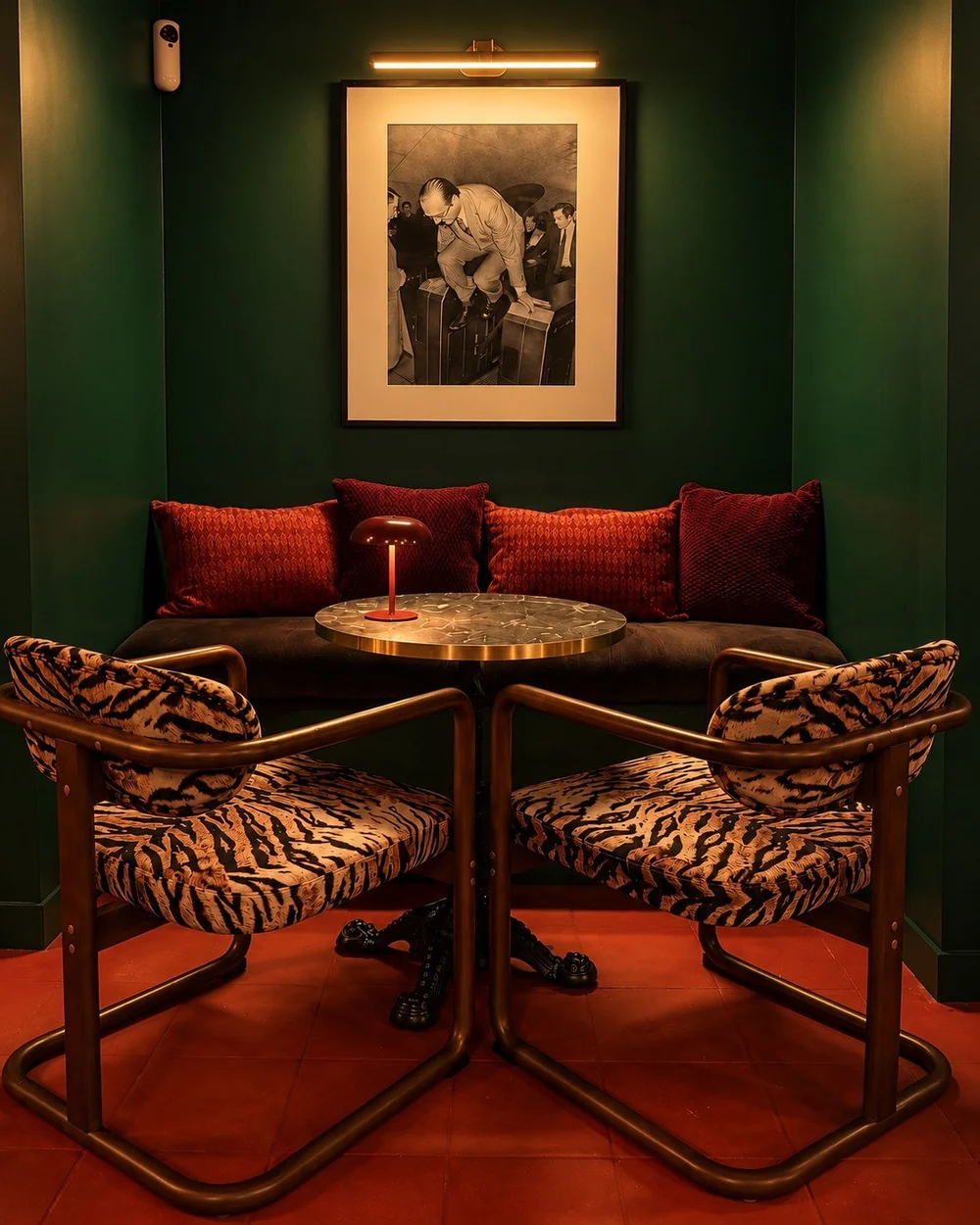
For a group dinner in Barcelona, discover Brigitte, a Parisian bar at 91 Carrer d’Enric Granados. French food and the room's character give you an idea to share with friends or colleagues. Gather five details before requesting a booking: date, arrival time, guest count, meal format and budget. The team can then study the request and confirm possibilities for the group. A clear first message gives the conversation a practical basis rather than leaving everyone to interpret a broad idea of dinner that has not yet been defined.
Organising sometimes seems harder than the meal itself. Several conversations run at once, preferences differ and nobody knows which version is current. Reduce common decisions to what matters. Choose a venue, date and way of dining, then clarify details with the team. A useful plan does not control everything. It tells guests enough to reach the same place with understood expectations and lets the evening develop around the table. Practical clarity supports freedom once people arrive, because the essential arrangements no longer need to be negotiated throughout the meal or repeated separately to every participant.
Nominate one booking contact
Begin with one person gathering responses and communicating with Brigitte. This does not mean deciding everything alone, but keeping the request clear. Others can explain constraints without sending separate instructions. The contact knows the date, confirmed guests and outstanding questions. This simple role helps friends and colleagues alike avoid contradictory messages. It gives the venue one actual project to answer. Suggestions can still be welcome, but the information becomes easier to use when somebody brings them together and distinguishes what has been agreed from ideas the group has not yet decided to follow.
Use the same approach for changes. One person asks, waits for the response and passes on the approved update. Requesting a modification does not automatically establish agreement. This avoids someone treating a new arrival time as confirmed before acceptance. Complex tools are unnecessary: a readable list and recap can be enough. The aim is knowing where reliable information sits, so practical exchanges remain short. Everybody can participate without the preparation becoming an endless thread of corrections, and the organiser can focus on gathering friends rather than repeatedly explaining which older message should no longer be used.
Agree a useful date and guest count
Offer a preferred date and, if genuinely possible, an alternative. A few concrete choices make replies easier. Wait for venue availability before calling the plan final. Distinguish confirmed attendees from those still undecided. Requests for ten, twelve or twenty guests differ from a small dinner, but no number guarantees a particular arrangement by itself. Explain the need and ask when final numbers are required. This makes discussion realistic without pretending every invitation has already been accepted or keeping the venue unaware of uncertainty that may affect the project it is studying for your group.
The time should match actual arrivals too. A team finishing work may need something different from visitors already free. Agree a plausible meeting time and read the reservation's duration conditions. Tell the team about guests expecting to arrive later rather than assuming it makes no difference. You can then send accurate information. Dinner begins more comfortably when people know which time to follow instead of trying to establish the correct message while travelling. A clear start also helps the group enjoy its shared time rather than beginning with avoidable confusion over who was expected and when.
Define spending before orders begin
Discuss the budget before food and drinks accumulate. Decide what it covers: meal, drinks, an organiser-hosted part or another agreed arrangement. Guests should understand it before participating. One clear sentence can prevent different spending expectations without a long document. Once the principle is understood, people have more freedom to choose comfortably. This is particularly useful when friends know one another differently or colleagues are unsure whether the dinner is hosted. Accuracy about costs makes the welcome easier rather than more formal, because nobody has to guess the rule while making their first choice.
Use the current menu as an initial reference and ask about particular proposals if needed. A total does not explain every inclusion. Check food, drinks and decisions that might create additional orders. Supply billing details for a company before payment time. Among friends, ask about the accepted payment arrangements rather than assuming them. Simple preparation helps the end remain pleasant instead of turning the last minutes into a discussion about expectations never expressed. The practical agreement should support the evening, leaving guests free to enjoy food and company within a framework they understood when deciding to come.
Choose how the group will eat
The question is not only what guests enjoy, but how you want to dine together. Some imagine shared first plates then individual mains; others want an agreed menu. These formats need discussion and cannot all be presumed available in every situation. Explain the intention early. The team can identify necessary information and possibilities according to date, numbers and the evening's arrangements. A clear description is more useful than a label such as group meal, which might suggest different things to organiser and venue. It lets the food plan become concrete before details are announced to guests.
Brigitte's French menu includes directions such as eggs mimosa, mini truffle croques, tartares, duck confit parmentier, ham, Emmental and truffle coquillettes or cheese, according to the current offer. Browse for ideas rather than immediately promising every dish. The final order or menu should match what has been agreed. This gives guests a real dinner instead of an appealing list the venue has not confirmed for the group. You can keep favourite wishes in the request and explore alternatives if needed, while ensuring the eventual invitation describes the format people can actually expect to enjoy.
Gather dietary needs accurately
Ask participants to share needs that must be communicated. For allergies or particular requirements, answers about possibilities should come directly from the team. A dish name or older photograph is not enough. The actual preparation and accepted options matter. An organiser can gather information without inventing an adjustment to reassure the group. A clear question in advance gives people relevant knowledge. It also prevents an important need being lost in a long conversation about ordinary preferences, leaving the guests concerned unsure whether the venue has actually understood and answered the question affecting their choice.
Ordinary tastes differ too. Not everybody wants raw food, cheese or the same dessert. Leave room for individual choices where the agreed format allows. A group's pleasure comes from shared time rather than identical plates. Some may anticipate chocolate mousse, others caramel brioche or a different ending. Make the accepted formula and possibilities clear before announcing them as secured. That lets the menu accommodate the real people coming instead of asking them to fit a selection chosen without considering their appetites. A dinner can stay connected even when the first and last plates take different directions around the table.
Plan drinks and communal spending
For shared French wine, establish who participates, the budget and whether the bottle will accompany several dishes. Those details provide a useful basis for advice. Consult current references, formats and prices. A bottle chosen by some people does not automatically involve everybody. Individual drinks can coexist with communal orders if agreed. People should understand what they are selecting and what the organisation covers. A short conversation at the beginning can be enough to protect this clarity and prevent a decision intended for part of the table becoming an unspoken assumption applied to every guest present.
Remember participants who do not drink wine or alcohol. They can enjoy the same dinner with another available drink. Conviviality does not depend on identical consumption. For hosted or professional events, agree who can approve additional orders and how requests will be handled. These are planning decisions to discuss rather than invent at the table. Simple arrangements keep drinks in their role alongside food and conversation. The organiser can then spend time with guests instead of interpreting whether each new order falls inside an agreement that nobody had clearly explained before the first drinks were selected.
Send a short, reliable invitation
After confirmation, gather what guests need: venue, address, date, time, meal format and participation principle where relevant. A message can say: “Let's meet at Brigitte, 91 Carrer d’Enric Granados, on [date] at [time]. Dinner is arranged as [confirmed format]. Please tell me about changes so I can contact the team.” Share validated details rather than every preparation exchange. Guests need to know how to join and what has genuinely been organised. The message can remain warm and informal while still being useful to someone who has not followed the entire planning conversation.
Keep one recap current. If something changes, wait for acceptance and send a clear update to those affected. Information announced too early can be repeated as confirmation when it remains only a request. Central coordination keeps the group coherent without excess messages. Leave discovery of room and food as part of coming. The invitation need not explain every pleasant detail if practical essentials and important expectations are understood. This balances preparation with the freedom you wanted from the evening, giving guests confidence in the plan without turning attendance into another task they must manage before arriving.
Select a setting people want to share
Genuine photographs show Brigitte's bottle green, dark wood, mirrors and room details. Browse them with the menu to see whether the Parisian character suits friends, visiting relatives or colleagues. The venue should support the occasion. Food provides ordering references, atmosphere helps imagine time together. Considering both creates a coherent choice instead of reducing the decision to one speciality or a list of names. A group may have different food preferences and still find a shared reason to enjoy the place when the room and the overall proposal match the time they want to spend.
Request private hire explicitly if exclusive arrangements matter. A group table does not reserve the whole venue. Guest count, confirmation, payment and adjustment terms should be those agreed with the team. Check before treating the evening as final. You can then enjoy dinner instead of resolving participants' assumptions. Successful planning has precisely that result: enough clarity before arrival for conversation and food to take centre stage. The details become a framework supporting the gathering rather than a separate subject the organiser has to revisit continually while everybody else is ready to relax and enjoy the meal.
Present your group dinner to Brigitte
Prepare a short request with date, time, numbers, desired format, budget and essential requirements. Current menu and photographs help make the project concrete. The team can study possibilities, ask questions and indicate applicable conditions. This opens a discussion rather than confirming availability or services before a response. Accurate information moves the plan forward more usefully than repeated group messages without knowing what the venue can accommodate. You can still keep choices open where appropriate, while ensuring the main request describes the evening you are genuinely trying to arrange for the people invited.
Send the enquiry through Brigitte's official website. If using the booking form, state the guest count and any particular organisation clearly. Read the displayed conditions, wait for confirmation and send the validated recap. Meet at 91 Carrer d’Enric Granados with essentials settled. The reason for the outing can then take over: sharing a French table, discovering what companions choose and taking time to talk in Brigitte's Parisian setting in Barcelona. A practical plan does its work before dinner so the evening itself can belong to the food, the people and the pleasure of finally being together.
Plan your visit
Brigitte welcomes members and their guests aged 18 and over at 91 carrer d’Enric Granados, Barcelona. Stated hours are Tuesday to Saturday, 6 pm to 2 am. Check current arrangements and wait for your reservation confirmation.