Français · English · Español · Català
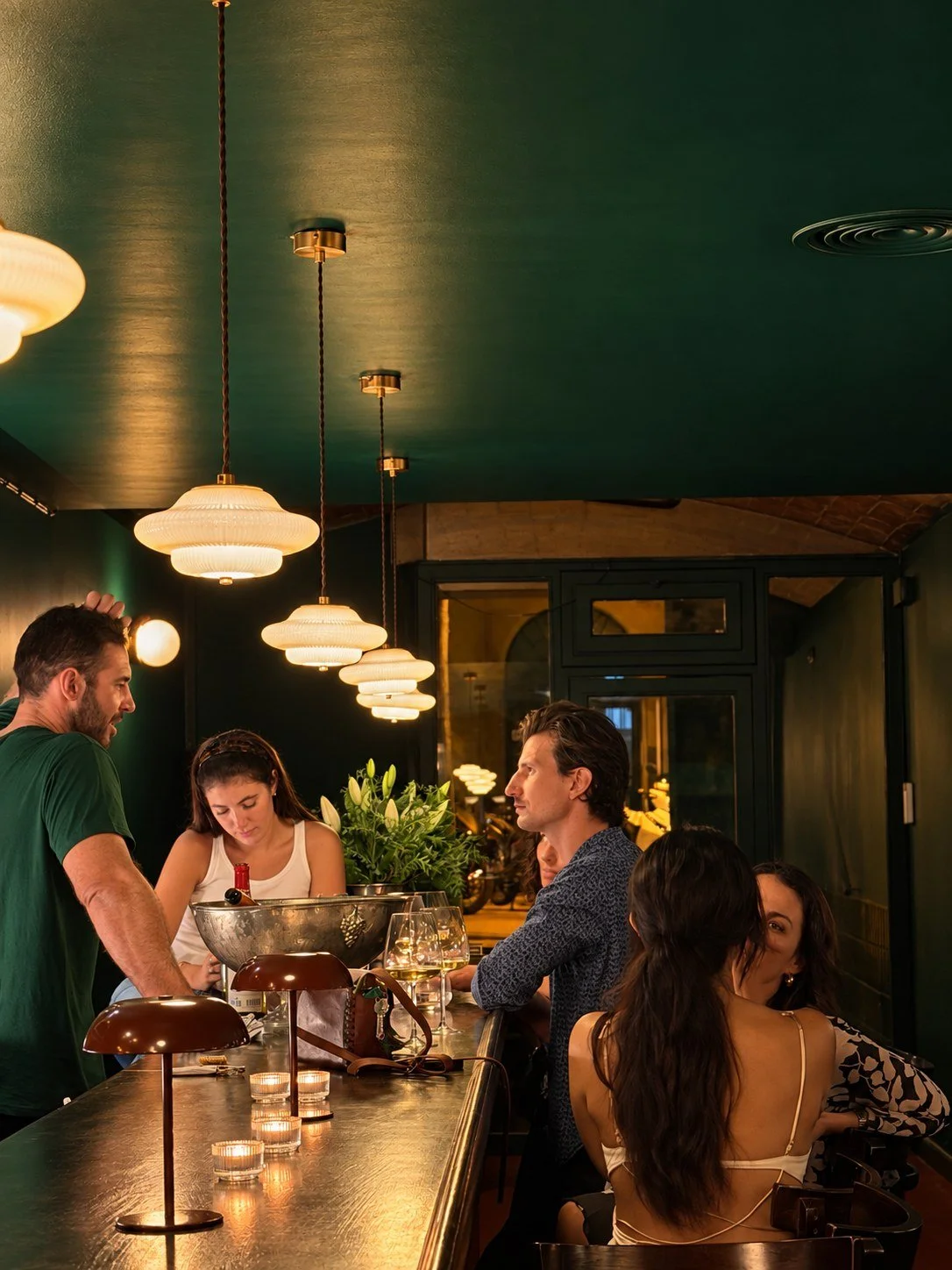
For chocolate mousse after a French dinner in Barcelona, explore Brigitte's menu at 91 Carrer d’Enric Granados. The Parisian bar offers a setting for guests who already know they want chocolate and those who prefer deciding after their main dish. Check the current menu for price and availability, then plan a visit around your tastes and companions. Dessert can be something to anticipate without requiring the whole table to order alike. The shared experience is the evening itself, while the last course can follow each person's appetite and preference.
Some desserts are chosen for an unfamiliar flavour, others because you recognise exactly what you fancy. Chocolate mousse often belongs to the latter group: its name alone suggests how you might like to end dinner. At Brigitte, that wish can fit an evening of French cooking after tartare, duck confit parmentier or another current dish. It becomes an anticipated moment without a compulsory sequence for everybody. You can build a meal around the part you especially enjoy while leaving friends space to discover other plates and finish their dinner in another way if that suits them.
Begin with your taste for chocolate
Looking for chocolate mousse is not the same as selecting a sweet course at random. You may want chocolate itself, a particular texture or a memory of French food. These preferences are personal and need no technical vocabulary. Explain what you like and ask about the current preparation if a detail matters. That gives you a useful basis instead of an imagined recipe attached to a familiar name. A photograph may inspire a visit, but the actual menu and information from the team are the references for choosing dinner during the service you plan to attend.
Chocolate mousses come in different recipes. Ingredients and presentation cannot be established from the title alone. Ask about a chocolate type or component if important to you before ordering. Information does not take pleasure away from discovery. It makes expectations more accurate. You can enjoy returning to a classic and remain curious about its place in Brigitte's cooking. The aim is not to reproduce every previous version you remember, but to decide whether the offered dessert matches what you want at this moment with the people sharing your table and the food you have chosen beforehand.
Texture is part of the attraction
Mousse suggests a particular way of enjoying chocolate. Texture belongs to the expectation alongside flavour and presentation. This can distinguish a precise craving from simply wanting something sweet. You may wish to return to that style after a main course or choose another option depending on hunger. There is no need to declare one dessert better than all alternatives. Recognise what appeals when you reach the end of your meal. Personal appetite can change between making a reservation and sitting down, which is another reason to retain some freedom when choosing the final course.
Consider the evening's pace as well. A dessert you want deserves a moment when you still feel like eating it. Decide after the main dish or look early to know whether to leave room. This small consideration helps shape dinner without making it rigid. Mousse can remain spontaneous without becoming an automatic addition because a supposedly complete meal must end sweetly. You can be the person looking forward to chocolate while a companion prefers stopping earlier. Those differences do not prevent sharing the closing conversation and enjoying the time you have made to meet.
Leave space for the part you anticipate
If chocolate is the priority, consider first plates in the context of the whole dinner. Eggs mimosa and mini truffle croques may interest a group starting together; individual mains offer further possibilities. Choose quantities around actual appetites. Current formats and advice are more useful than a fixed rule. An order that makes sense leaves room for the moment people especially want, dessert included. It is not about abandoning tempting dishes, but about choosing the meal you will enjoy eating rather than treating each attraction as an independent addition with no relation to the rest.
Guests may want different routes. Some hope to try many first plates, while others would enjoy a main and chocolate mousse. Explain that simply when ordering. Sharing should not become an obligation that displaces an individual preference. You can taste together at the beginning and finish differently. This freedom supports conviviality: companions are gathered at one table without needing identical quantities or dishes. A short discussion protects the choices that matter while leaving most of dinner free for talking, discovering the menu and deciding what still appeals as the meal and the evening continue.
Which main dish could come first?
Begin with what you want. Hand-cut beef tartare and tuna tartare offer a direction for people who enjoy raw preparations. Duck confit parmentier and ham, Emmental and truffle coquillettes suggest comforting cooked food. Depending on the current offer, mousse can be the ending you choose after any of them. French dining does not impose one route simply because the menu contains familiar references. Hunger and taste remain practical guides. The enjoyable sequence is the one people actually want, rather than a combination selected to satisfy a rule nobody at the table particularly cares about following.
You might prefer several shared dishes and individual endings. In that case, consider dessert when choosing the initial quantities. It is nicer to retain curiosity for the finish than discover too late that you no longer want the part that originally attracted you most. No elaborate programme is needed. Mentioning what each person hopes to enjoy is often enough. Later decisions can remain open with a better idea of the appetite left. This makes ordering easier while preserving the spontaneity of discovering a description you did not notice before or changing your mind according to how dinner unfolds.
Chocolate mousse or caramel brioche?
Brigitte also offers another dessert direction through caramel brioche. If undecided, use your current appetite rather than searching for a universal answer. Perhaps you want chocolate tonight; perhaps a brioche-based dish appeals more. The names suggest different pleasures. Read the current descriptions and ask if a detail matters. A dessert decision can be simple and considered at once. You only need to recognise what you genuinely want to savour. The point is a satisfying conclusion to your own meal, not demonstrating that you chose the most unusual name or the option other guests have declared their favourite.
Preferences can differ around the table. Some may choose mousse, others brioche, while cheese might appeal elsewhere, according to availability. Nobody needs to follow a majority to participate in the end of dinner. If sharing, check the format and who wants to join. A communal order and an individual portion create different expectations. A few words avoid misunderstanding while retaining the pleasure of choosing together. The group can enjoy discovering several sides of the menu without requiring everyone to take the same final course or contribute equally to something they did not particularly want to eat.
A familiar reference for visiting friends
When friends visit Barcelona, you may want somewhere that matches your own idea of a good evening: a Parisian room, French food and dishes people can understand without extensive explanation. Chocolate mousse is a reference many recognise. It can offer reassurance to guests discovering other parts of the menu without asking them to know every speciality. A welcoming dinner gives each person a way in and time to enjoy company. The food does not need to be wholly unfamiliar to make the occasion worthwhile. Recognising something you like can be as useful as discovering a new favourite.
Keep the invitation straightforward: a date, venue and wish to share dinner. You do not need to announce every dish if guests will choose there. Check availability in advance if a speciality is essential. You can then discuss the evening using accurate information rather than an uncertain scenario. Dessert may become the last part of the conversation, but the venue's broader role is bringing people together around a table where tastes remain free. That makes the chocolate one enjoyable element in the evening instead of a requirement that everybody must share to take part in the plan.
Finish in a Parisian setting
Genuine photographs show Brigitte's bottle green, dark wood, mirrors and room details. They place the idea of a French dessert somewhere concrete in Barcelona. You might plan dinner as a couple, friends meeting or an evening with colleagues. The menu offers food references, while images help assess atmosphere. Reading both gives a fuller basis for choosing than a dish name alone. A dessert can begin the search, but the room and the people explain the kind of experience you want. Bringing those elements together helps connect an appetite with a realistic plan for the evening.
Explain occasions requiring special arrangements before treating details as agreed. Birthdays, groups and private hire need different discussions. Mousse on an individual menu does not automatically confirm every event format. If you want it included in an organised menu, say so and wait for a response. You can then give guests a validated proposal. The dessert can contribute to the event's character while wishes remain distinct from accepted arrangements. This prevents a tempting early idea becoming something guests expect before the kitchen and team have had an opportunity to agree the actual plan for your date.
Check the details and request your table
Ask directly about ingredients, allergies or dietary requirements before ordering. A dessert title cannot answer every situation, and changes should not be assumed. Discuss a need and obtain agreement. Check current price and availability too if mousse determines your visit. An older post or photograph does not guarantee a particular service. These checks clarify the important expectations while leaving other choices open. Good preparation is not the same as a fixed programme. It separates what needs confirming from pleasant decisions you can make once companions are together and ready to enjoy reading the menu.
Explore Brigitte's current menu and venue photographs, then request a table through the reservation page on the official website. Include date, arrival time, guest count and essential questions. Read the conditions and wait for confirmation. You can then meet at 91 Carrer d’Enric Granados with practical details settled. Chocolate mousse may be your last choice of dinner; let it find its place according to appetite and enjoyment. In Brigitte's Parisian setting, a familiar French dessert can conclude an evening in Barcelona built around the food you wanted and the people you were pleased to see.
Plan your visit
Brigitte welcomes members and their guests aged 18 and over at 91 carrer d’Enric Granados, Barcelona. Stated hours are Tuesday to Saturday, 6 pm to 2 am. Check current arrangements and wait for your reservation confirmation.