Français · English · Español · Català
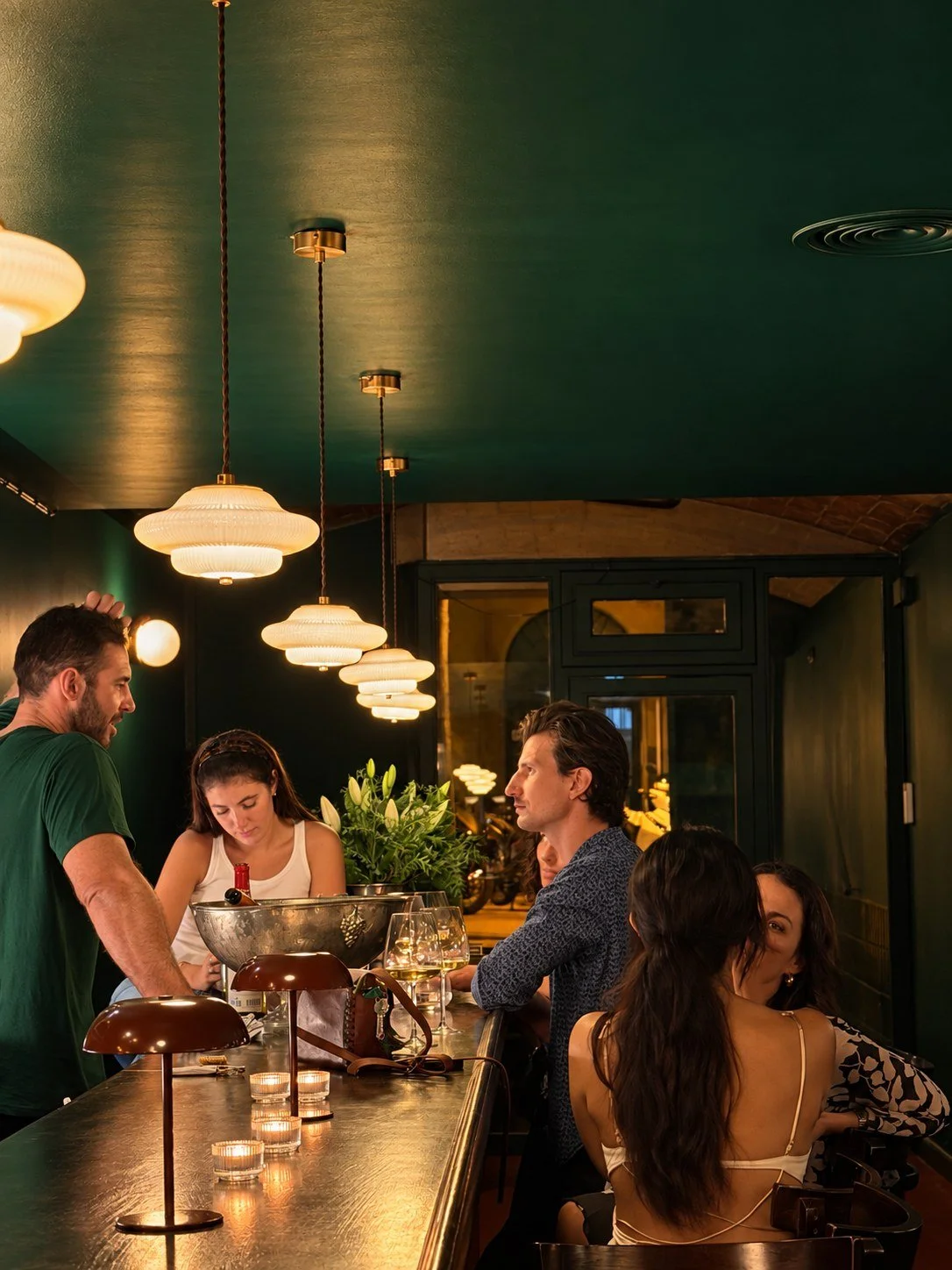
For French wine in Barcelona with a Parisian setting, discover Brigitte at 91 Carrer d’Enric Granados. The wine list accompanies French cooking and can help shape dinner as a couple, a meeting with friends or a group evening. Check current references, serving formats and prices, then choose around the people drinking and the food you want. You do not need to recognise every appellation to find a useful starting point. A clear preference and the current list can make the decision approachable without turning an enjoyable part of dinner into a test of knowledge.
The question may be simple: a glass before food, a shared bottle or returning to a French region you enjoy. It can also begin with hesitation over familiar names you do not fully understand. A few landmarks make reading easier. This article is not a ranking or an announcement of available vintages. It offers ways to explain tastes and understand certain references. Brigitte's current menu remains the document for what can actually be ordered during your visit. General wine knowledge and a restaurant's present selection answer different questions and work best when you keep that distinction clear.
Start by describing what you enjoy
The first useful choice is not necessarily an appellation. Say whether you want white or red, a lighter or fuller impression, a familiar reference or a discovery. These words give more information than selecting a name solely because it sounds prestigious. Consider who will participate. A bottle for several people with similar preferences serves a different purpose from a glass for your own dish. Advice becomes concrete when these points are explained early. It lets the conversation respond to the real table instead of assuming all guests like the same styles or want the same amount of wine.
Mention a budget naturally if you have one. It supports a suitable selection rather than measuring knowledge. Check prices and clarify whether your limit concerns one bottle or the drinks overall. Enjoyable discoveries rarely depend on demonstrating vocabulary. They often begin with a well-expressed wish and agreement among the people involved. You can be curious without recognising everything, just as you can return to a known style. Both approaches fit the same French dinner. A shared choice is more comfortable when nobody has to pretend expertise or accept a price they did not understand before the order.
Grape variety and appellation give different information
A grape variety identifies a type of grape; an appellation provides another reference for identifying the wine. The two do not always appear in the same way on a French list. Understanding that helps names feel less intimidating. You may recognise a variety and discover a place name associated with certain wines. This does not mean everything made from one variety tastes identical. Read the producer and actual bottle information. These practical details give context rather than asking you to judge a whole wine from a single term you happen to recognise on the menu.
The following landmarks concern regions and appellations generally. They are not stock promises or descriptions of every Brigitte bottle. Use them to start a conversation, then return to available references. That is more useful than predicting an exact taste from one name. Mention a characteristic you specifically want. The team can guide the reading according to the selection and dinner rather than a rule invented without your preferences. A broad reference can be reassuring while still leaving plenty to discover about the particular bottle, the meal and the way different guests would like to enjoy the evening.
Chardonnay as a landmark around Chablis
The official Chablis wine website identifies Chardonnay as the variety used across its appellations. This helps connect the grape with names you may recognise when reading a French wine list. Chablis
If you know Chardonnay, the link may help you read a reference without pretending to predict its whole expression. Look at the bottle actually offered and ask what matters to you. At Brigitte, Petit Chablis is intended for bottle service, so it should not be assumed available by the glass. An individual discovery and a bottle for the table therefore require different readings of the list. The format can guide the decision as much as the name, depending on who wants to join and what they are hoping to drink alongside their food during the evening.
Sauvignon Blanc and Centre-Loire references
The Centre-Loire wine interprofessional body places Sauvignon Blanc at the heart of its presentation of white wines. The variety is a useful landmark when exploring references from this French region. Centre-Loire
Names such as Sancerre and Pouilly-Fumé may already be familiar. Rather than choosing solely for reputation, ask how the current reference matches your preferences. Explain the white you would like and what you will eat, then check price and format. A known name begins the conversation but does not replace bottle information. This approach also suits groups where some recognise regions and others prefer describing the impression they want. Nobody needs the same starting knowledge. A practical conversation can bring those different levels of familiarity together without making anyone feel excluded from choosing the shared wine.
A Rhône Valley landmark: Saint-Joseph
The Rhône wine interprofessional body presents red Saint-Joseph around Syrah. It also mentions whites made from Marsanne and Roussanne, a reminder to check colour as well as the appellation name. Vins du Rhône
That detail encourages attentive reading without requiring a complete wine course. If a reference appeals, look at what is actually announced and ask in the context of the meal. A variety or region need not become an automatic instruction for every dish. Enjoyment comes from people meeting a bottle chosen within an understood budget. Knowledge may be partial and still support a considered decision if based on the current list rather than a broad impression. The aim is wine the people involved want to drink, not an order selected to satisfy an abstract hierarchy of names.
Bordeaux and the name Pomerol
Bordeaux's interprofessional website describes Pomerol as a Bordeaux appellation where Merlot has an important role. The connection provides a starting point for the name without describing every individual bottle. Bordeaux
For a special occasion, explore a reference with curiosity and return to the actual plan. How many people will share? Do you want one bottle for several parts of dinner? What budget applies? These answers matter alongside reputation. A celebration does not demand a particular appellation. Choose something that suits the guests and food while retaining the pleasure of exploring French wine without proving knowledge or following an imposed order. A famous name can be interesting, but its place in your evening still depends on the people who will enjoy it and the meal you have chosen.
Consider the food without rigid rules
Current dishes give context to the choice. Tuna tartare, hand-cut beef tartare, duck confit parmentier and ham, Emmental and truffle coquillettes suggest different dinners. These examples describe Brigitte's food; check current availability. If sharing a bottle, explain the dishes chosen by those drinking it. Advice can then respond to your actual table. It will be more useful than declaring a perfect match without knowing preparation or preferences. Wine and food can complement one another while the people remain free to choose the combinations they enjoy rather than following advice disconnected from their own appetites.
You may also select wine first and then explore the food. There is no compulsory order of decisions. For French cheese, begin with the current selection and what participants like drinking. Shared food does not require identical drinks for everybody. Some may order glasses, others a bottle among themselves or something else. Clarifying that keeps discovery enjoyable instead of making it a continuing negotiation. The broad meal is common even when the arrangements differ. A simple understanding lets guests focus on tasting and conversation without assuming one person's preference should automatically become the entire table's order.
From a first glass to dinner with friends
A gathering may begin with wanting to see someone rather than a culinary plan. You need somewhere to talk after work, welcome visitors or bring friends together in Barcelona. A Parisian setting and French menu provide an idea easy to share. Genuine photographs help you imagine Brigitte's bottle green, dark wood and mirrors. Images and menu complement one another: one suggests the moment you might enjoy, the other gives possible choices. Reading both connects a wine wish with a practical evening instead of leaving it as an isolated bottle name you recognised during a search.
For a birthday, reception or professional dinner, explain the occasion. Wines can belong to an organised proposal, but need agreement for the date and format. Do not assume an individual wine-list reference is included automatically in an event menu. Explain who covers drinks and how additional orders would be approved. This gives the plan a clear basis and avoids different expectations between organiser, guests and team. The wine can contribute to the character of the occasion while practical conditions remain defined by the actual agreement, not by a general description of what appears on the regular menu.
Make ordering comfortable for everyone
Remember guests who do not drink wine or alcohol. They share the dinner and choose from other available drinks. If spending is communal, agree what belongs to the group and what remains individual. A bottle selected by certain people need not involve others. Conviviality depends more on freedom and shared understanding than identical orders or equal knowledge. Guests can take part in the same conversation while choosing differently. The useful arrangement is one everybody understands before ordering, leaving no awkward surprise about participation or payment when the group reaches the end of an otherwise enjoyable evening.
Check the reference, stated vintage, format and price when choosing. An old photograph does not confirm today's list. Ask about availability before finalising a visit built around one wine and keep an alternative you genuinely like. Preparation can stay light. It protects important expectations and leaves time at the venue for enjoyable choices, food and company. Knowing the difference between a confirmed reference and a possibility also helps when inviting others: you can share an accurate plan without promising a bottle that has not been accepted for your date or the particular service you intend to attend.
Request your table at Brigitte
Explore Brigitte's current menu and photographs for your next French wine evening in Barcelona. Choose a date with companions and prepare booking details. Come with a favourite region, curiosity or simply a wish to ask advice. These landmarks provide starting points rather than replace current references. Taste, food and the people participating remain central to a choice worth sharing. No guest needs to master the map of French vineyards to enjoy taking part, and a straightforward explanation of what you like can open a more useful conversation than choosing solely from the best-known name.
Send a request through the reservation page on the official website with date, arrival time and guest count. Read the displayed conditions and wait for confirmation. Mention essential wine requests or special arrangements and wait for the corresponding response. You can then meet at 91 Carrer d’Enric Granados with practical details clear. Choose appealing food and drinks and enjoy a French evening in Brigitte's Parisian setting, according to your tastes and the moment you want to share in Barcelona. The list is a way into the conversation, while the people and the time together give the evening its purpose.
Plan your visit
Brigitte welcomes members and their guests aged 18 and over at 91 carrer d’Enric Granados, Barcelona. Stated hours are Tuesday to Saturday, 6 pm to 2 am. Check current arrangements and wait for your reservation confirmation.