Français · English · Español · Català
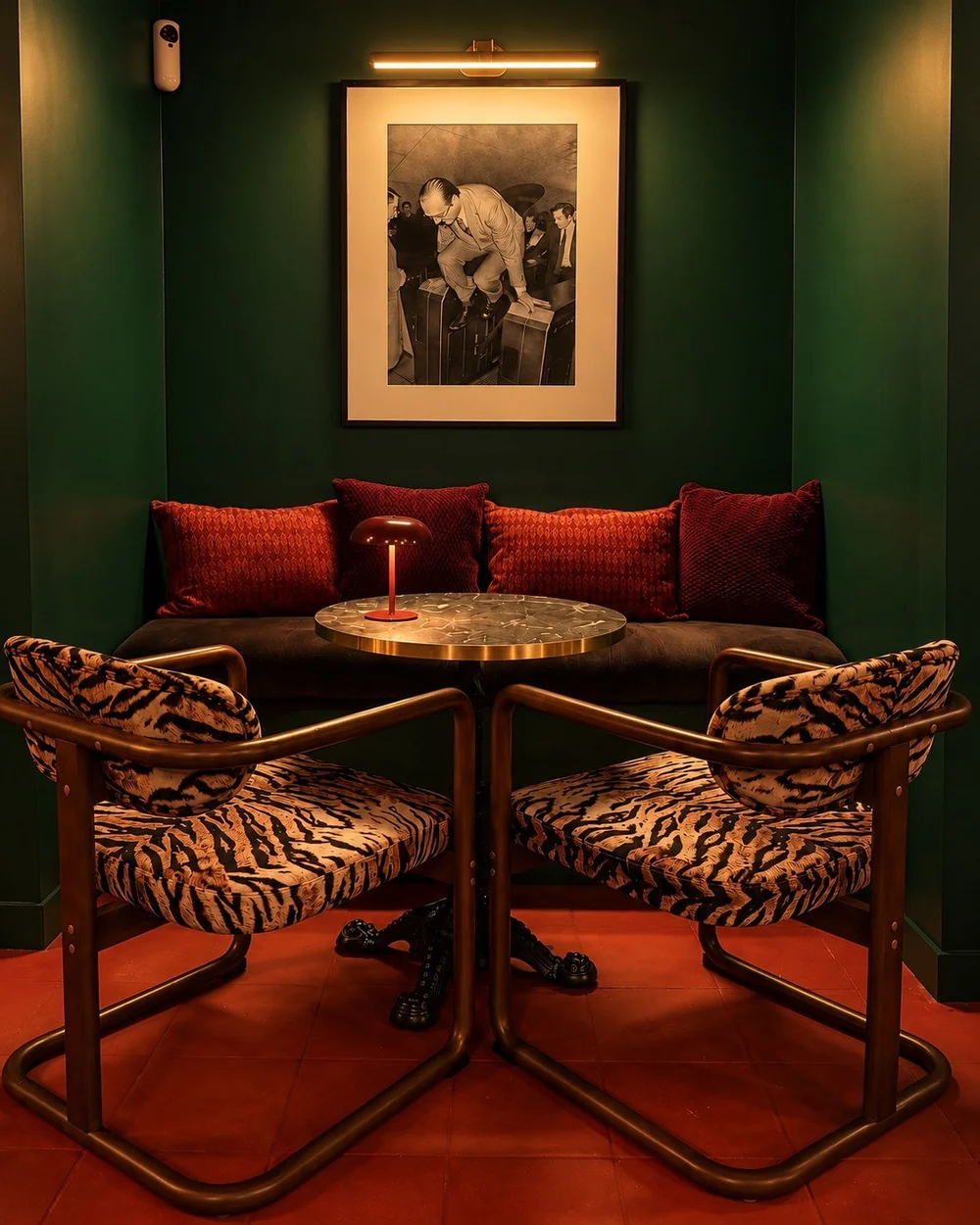
To bring clients together for a convivial evening in Barcelona, discover Brigitte, a Parisian bar at 91 carrer d’Enric Granados. French cooking and a Parisian interior offer a setting to consider for a professional dinner or meeting with partners. State your date, guest count and purpose in the reservation enquiry. The team can respond about availability and relevant conditions. You can then invite participants on the basis of a confirmed format, with a clear address and an understandable programme. Real photographs and the current menu help you explore the venue before deciding how to welcome your guests for the evening.
Hosting clients over dinner gives a relationship a different kind of time. You might thank them for a collaboration, welcome visitors or introduce people who barely know one another. The value lies in the quality of exchanges and the attention given to guests. Choosing a venue means considering food, visual setting and the practical needs of the occasion. At Brigitte, real photographs and the menu introduce a French address in Barcelona. The team’s answers establish what can be organised for your project, connecting the setting that appeals with arrangements suited to the people you would like to bring together at the table.
Give the invitation a clear purpose
Begin by identifying what you want to share. Thanking clients after a project, hosting them during a Barcelona visit and bringing several partners together call for different preparation. The intention helps shape the guest list and tone. A short invitation can explain the context and dinner idea. Guests understand why you want to host them and who will attend. This clarity is particularly useful with people from several companies, allowing each person to picture the occasion before confirming availability. You can offer a straightforward description of the gathering without asking guests to infer its professional or social purpose from the venue name alone.
Dinner can leave room for professional exchanges while retaining an informal structure. Consider useful subjects or introductions, then allow guests to discover their companions. Conversation may touch on projects, interests or experiences of Barcelona. The host’s role includes welcoming and listening alongside discussing their own work. If you want a structured contribution, explain it to the venue and establish possibilities before announcing it. A table reservation provides a meal framework; additional uses need to fit accepted conditions. Clear preparation leaves the evening available for dialogue, with room for the questions and ideas guests actually want to share once they have met one another.
Choose guests and prepare introductions
A coherent list makes exchanges easier. Think about existing connections, common interests and people who might enjoy meeting. If guests do not all know one another, prepare straightforward introductions. A name, role and a concrete reason to connect may be enough. You do not need to recite everyone’s entire career. Focus on making conversation accessible. Once initial links are established, the food and venue provide more subjects. Guests can ask questions and share interests at their own pace. The intention is to help people feel included in the table, giving them enough context to speak comfortably with the companions you have invited for the occasion.
For visitors, consider their day’s programme and the journey to dinner. A realistic arrival helps the gathering begin comfortably. Send Brigitte’s name, 91 carrer d’Enric Granados, the date and confirmed time in one easy-to-find message. If someone joins later, mention it while organising the reservation and ask how that can work. One coordinator can gather changes and keep details current. Clients receive a reliable version without following the whole preparation. Shared reference points also help the host welcome people with the practical arrangements already understood, leaving attention for introductions and conversation as guests arrive from different activities or commitments during their stay in Barcelona.
French cooking to open the conversation
Eggs mimosa and mini truffle croques offer ideas for beginning to discover Brigitte. You can mention the French culinary identity when proposing the address and let preferences become clearer at the table. Explore current choices and formats to find an arrangement that suits the guests. Some opening dishes may interest several people, while others prefer individual orders. A simple question often establishes the principle. Food becomes a common subject through choices that respect each person’s tastes. The host can facilitate without deciding everything, giving clients a comfortable opportunity to explain what they would like to try and how they prefer to order for the meal.
Hand-cut beef tartare, tuna tartare, duck confit parmentier and coquillettes with ham, Emmental and truffle offer several directions. The current menu establishes the proposals. These examples may attract clients familiar with French cooking or interested in discovering it in Barcelona. You can suggest a culinary setting and retain freedom in individual choices. If the group needs a particular arrangement, request a proposal specifying included elements. You can then explain dinner accurately rather than announce a special menu that has not been agreed. Guests know whether they choose beforehand or at the table and understand the meal’s framework before arriving for the evening you have planned.
Prepare dietary requirements thoughtfully
Invite participants to mention allergies or dietary requirements that need checking. Pass relevant details to the team and request advice about actual preparations. A dish’s name cannot guarantee suitability for a particular situation. Asking beforehand provides time to understand possibilities before confirming. The process can stay discreet, with one contact for questions. Clients mainly need relevant information for choosing and a person to approach if further clarification is required. Thoughtful hospitality becomes concrete when each guest feels considered in decisions affecting their participation. Essential needs can then be addressed in preparation, allowing the meal itself to remain available for conversation and enjoyment around the table.
Everyday preferences may vary without requiring identical orders. Some guests appreciate French cheeses; others may want chocolate mousse or caramel brioche French toast, according to the available menu. Check formats and consider the whole dinner before multiplying opening choices. People can decide according to appetite. As host, you can facilitate questions and ensure everyone has an opportunity to express a preference. A professional table feels convivial when decisions are understandable and attention goes to people alongside the food. Leaving room for different tastes can make discovering the menu more interesting, with each guest able to choose something they genuinely want to enjoy that evening.
Choose drinks within understood arrangements
The French wine selection offers another direction alongside dinner. Ask for advice using dishes, budget and preferred styles. If you suggest a common bottle, find out which guests want to share it. Separate orders can suit other preferences. Petit Chablis is offered by the bottle in the menu defined for Brigitte; choices by the glass belong to their corresponding selection. Establishing formats at the beginning makes orders clearer. You can then remain present in conversation, with the arrangement understood by those taking part. Drinks can accompany the food without requiring the host to return continually to practical questions as the evening develops around the table.
Cocktails and other drinks should be chosen among current options. Clients who do not consume alcohol can explore alternatives suited to their preferences. The invitation concerns a meeting and a meal, accommodating different habits. If hospitality covers only defined items, explain that principle before the evening. Guests should understand the framework when choosing. Useful information can be communicated simply, allowing comfortable decisions and helping the host follow the budget. Everyone can enjoy the same occasion with different drinks, while the purpose of the gathering remains the company and exchanges shared. Clear expectations support participation without making each order a subject of financial discussion during the conversation.
Settle budget and event requirements beforehand
Agree a spending framework with whoever approves the expense. Then request a proposal for your numbers and format, checking what is included and how additions work. If you need particular billing information or a receipt, mention it beforehand and establish what the venue can provide. Ask about conditions for changes in numbers, date or programme too. Keep replies coordinated through one person. Clear preparation helps the host stay available for guests instead of handling questions that could have been clarified earlier. A reliable record also makes internal approval easier and gives everyone organising the occasion the same understanding of the arrangements accepted for the dinner.
Real photographs show bottle green, dark wood, mirrors and details of the dining room. Explore them alongside the menu to understand the setting. For seating, exclusive use, equipment or other particular requirements, ask about possibilities for your group. A table and a private event involve different arrangements. Dinner in an open venue also does not automatically establish a confidential environment for every professional subject. Choose table conversations accordingly and explain any essential requirement. The programme can stay light: welcome guests, make introductions, dine and enjoy company. What matters is that announced elements reflect confirmed possibilities and support the relationships you want to nurture through the evening.
Request your client evening at Brigitte
Prepare a date, time, guest count and meal context, then browse photographs and the current menu. Include essential needs and your budget framework in the enquiry through the official website’s reservation page. Wait for confirmation and important answers before sending the final invitation. That message can remain concise: Brigitte’s name, address, arrival time and purpose. Clients have the references needed to attend. You have a clear basis for welcoming them, with one reliable version of the details and a contact coordinating changes. If the group evolves, communicate updates after the venue has responded so that everyone continues to work from information that has actually been accepted.
At 91 carrer d’Enric Granados, French cooking and a Parisian setting can accompany an evening built around your guests. Thanking a collaboration, getting to know someone or sharing a conversation different from formal meetings gives the occasion substance. Good preparation leaves attention for those exchanges. Bringing clients together for a convivial evening in Barcelona can begin with straightforward decisions: an address you like, confirmed arrangements, a clear invitation and time to enjoy dinner together. Dishes and people then give the gathering its individual character. The shared memory grows from how guests are welcomed and the conversations they have time to discover over the course of the meal.
Plan your visit
Brigitte welcomes members and their guests aged 18 and over at 91 carrer d’Enric Granados, Barcelona. Stated hours are Tuesday to Saturday, 6 pm to 2 am. Check current arrangements and wait for your reservation confirmation.