Français · English · Español · Català
Planning private bar hire in Barcelona? Present your event to Brigitte, a Parisian bar at 91 Carrer d’Enric Granados. Discuss the format and conditions with the team for your date and group.
Some occasions call for more than a large dinner table. A birthday, a farewell, an evening with clients or a reunion may bring a group together around a more personal plan. You want to know who is invited, decide how the evening will unfold and choose a setting that matches the occasion. Hiring a bar privately in Barcelona can be a useful starting point, provided you explain what you actually need: a seated dinner, a gathering around shared plates or an event with arrangements that must be discussed in advance.
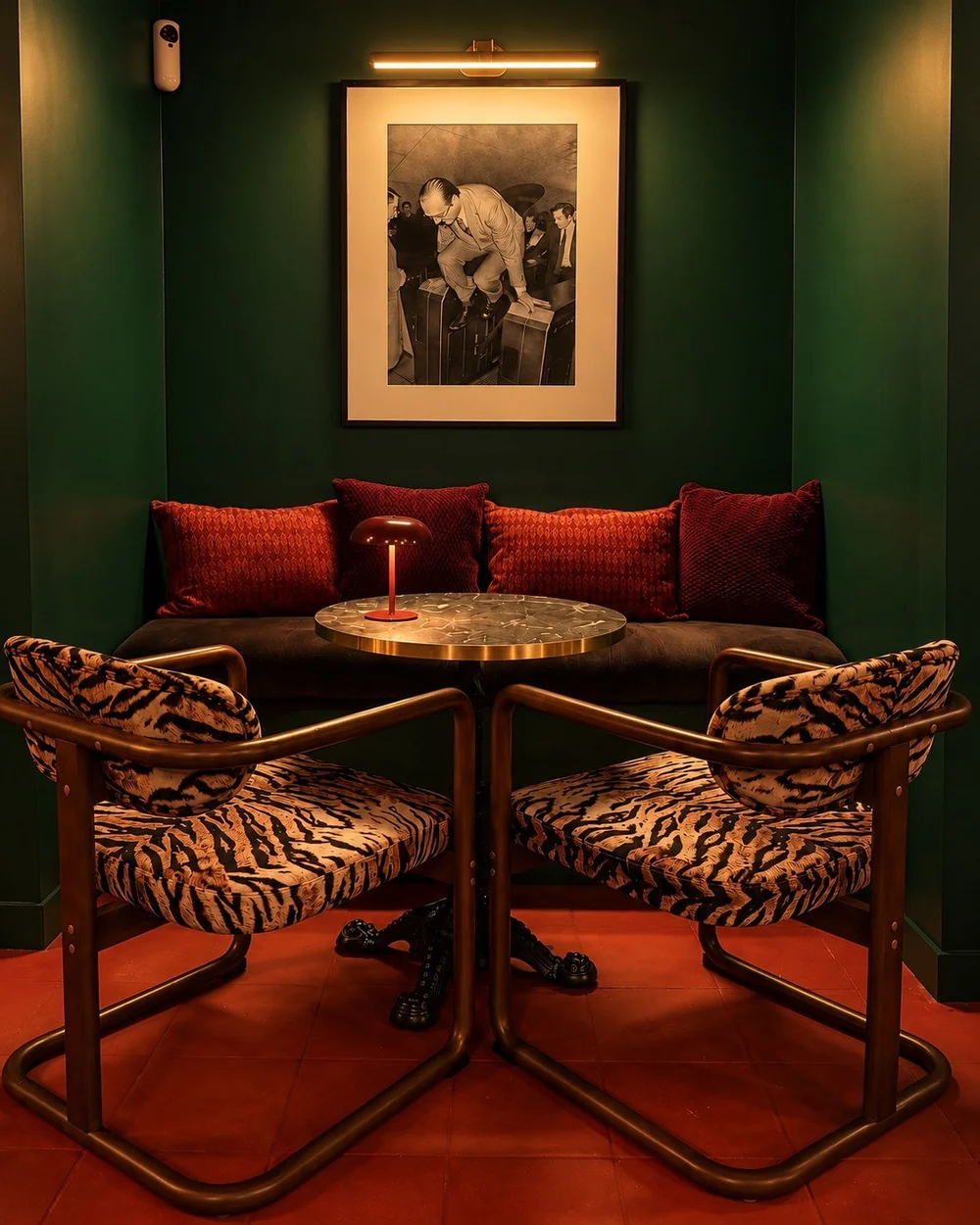
At Brigitte, French cooking and the character of a Parisian bar give that project a clear direction. Bottle green, dark wood, mirrors and photographs of the venue help you picture an evening within an established setting. You do not necessarily need an elaborate theme to make it personal. The guests, the food and the way people are welcomed can do that work. To find out whether Brigitte can accommodate your event, begin with a request that explains the preferred date, expected number of guests and format you have in mind.
A group booking and private hire are different requests
A group booking concerns a number of places at an agreed time. Private hire requires an understanding about the use of the venue, the guests being hosted and the services included. This distinction matters when you invite people to what you describe as a private evening. You should be able to explain exactly what has been confirmed. If exclusive use is essential to your plans, say so explicitly in the first conversation. That allows the team to respond to the right request rather than interpreting it as an ordinary dinner reservation.
Expressions such as a reserved area or a private room can also mean different things at different venues. Instead of relying on a label, describe the outcome you want: welcoming only your guests, having dinner together or arranging a format suited to the celebration. The team can then explain what is possible at Brigitte for the relevant date. Make sure the scope of the agreement is clear before invitations are sent. What you promise guests should match the arrangements actually approved, including any limits that affect the way you plan to use the space.
Let the occasion guide the format
For a birthday, your first thoughts may be about the person being celebrated and the friends you want around them. A company evening might be intended to thank a team or help colleagues get to know one another. With clients, you may want a setting for conversation outside a formal meeting. These occasions share a wish for conviviality, but they do not necessarily need the same welcome, meal or pace. Define the purpose first so that the practical decisions support it rather than making the event more complicated than it needs to be.
Write a few sentences describing what you want guests to experience. Perhaps everyone arrives at an agreed time, has a first drink, enjoys dinner and continues talking afterwards. That simple description helps separate essentials from optional ideas. Mention any speeches, surprises or staggered arrivals. Their feasibility needs to be checked; it cannot be inferred from a general private hire request. A readable outline is easier to discuss than a long list of extras without a clear sense of what matters most. It also gives you a useful basis for reviewing a proposal.
The date and guest count shape the plan
Start with the date you would like to book. If an alternative genuinely works, include it, rather than sending conflicting requests for the same event. Availability should never be assumed, especially when many people need to coordinate diaries. Also explain when guests could realistically arrive. Colleagues finishing work at different times may not all be able to join at the same moment. A programme based on a plausible arrival is more useful than an ambitious schedule that some guests will miss before they have even reached the venue.
Be equally clear about numbers. Distinguish confirmed attendees from people who have been invited but have not yet answered, and explain when you expect to provide a firmer count. This does not mean that every change will be possible; adjustment terms need to be agreed with the team. It simply gives the discussion a realistic starting point. A sensible estimated range and a confirmation deadline are more helpful than describing a gathering as anything from a few friends to the whole company, or presenting a provisional figure as final.
Set a budget around what it should cover
An event budget becomes easier to understand when you define its scope. Do you want to host both food and drinks? Provide a welcome, then let guests make their own choices afterwards? Arrange one invoice for the company? These decisions influence the format and the information the venue needs. Before requesting a proposal, identify what the organiser intends to pay for and whether any part would be paid by guests, subject to agreement. Clear arrangements prevent different expectations emerging at the table when people begin ordering or ask how payment will work.
Ask for a proposal that explains what is included, what falls outside it and which conditions apply. A single total is not enough to compare different event plans. You need to understand the meal format, drinks, agreed schedule and confirmation process. Do not assume an online article implies a fixed package, unlimited drinks or complimentary extras. For your event at Brigitte, the arrangements expressly discussed and approved with the team should be your reference. That keeps the budget connected to the real evening you are organising rather than to assumptions carried over from another venue.
Make French food part of the experience
The venue's cooking can make planning simpler. Start with Brigitte's menu and discuss a format that works for the group, rather than designing a meal unrelated to the place. Eggs mimosa, mini truffle croques and French cheeses suggest possibilities for sharing; duck confit parmentier and ham and truffle coquillettes suggest a dinner built more clearly around a main dish. These examples describe the character of the menu. They are not a private event package or a promise that those dishes will be available for your chosen date and format.
For a group, the question is not only what people enjoy eating but how the food will fit into the evening. Individual dinner choices and a gathering around several shared dishes require different arrangements. Mention major preferences and dietary requirements while discussing the event. Allergies need a direct check with the team. Avoid announcing a menu to guests before it has been agreed, and distinguish early ideas from the dishes finally selected. This prevents an appealing planning conversation turning into a promise that the kitchen has never actually confirmed for the event.
Plan drinks for the whole group
French wine may contribute to the evening's character, but drinks still require practical decisions. Would you prefer a selection agreed in advance or choices made during dinner? Who can approve additional orders? What budget applies? These questions do not have to make the event rigid. They remove uncertainty once guests are present and help the team understand how to handle requests. Ask what can be arranged for your particular format, then pass on only the information your guests need. Internal spending arrangements can stay with the organiser and the venue.
Remember guests who do not drink alcohol. They should be able to participate in the welcome and select a drink from the available options. Discuss this as part of the plan without assuming that a particular alcohol-free menu or package exists. If clients or colleagues are not people you know closely, freedom of choice can make the atmosphere more comfortable. Build the occasion around conversation and the meal rather than around a type of drinking everyone is expected to share. A clear welcome includes all the people you have chosen to invite.
Create a schedule with room to enjoy the evening
A useful outline may have just three stages: arrival, dinner or the first shared plates, then further conversation. For each stage, ask what the team needs to know. A surprise involves coordinating arrivals. A thank-you speech requires choosing a moment compatible with service. Bringing a cake or another item from outside needs prior agreement. These are discussion points, not automatically included services. Any item placed in the programme should correspond to something the venue has actually accepted, with practical details settled before guests arrive for the evening.
Leave space for the reason you are gathering: spending time together. Too many activities can complicate an event whose guests mainly want to talk and enjoy dinner. Brigitte's French food and Parisian setting already give the occasion a personality. A suitable date, a clear welcome and a meal format everyone understands can matter more than an elaborate schedule. Keep the moments that mean something to the group and remove those that would interrupt them. A personal event does not have to be busy to feel considered, welcoming and distinct from an ordinary evening out.
Confirm the conditions before inviting guests
Before treating private hire as agreed, check the date, format, guest count, scope of the booking and budget. Payment arrangements, any deposit, changes and cancellation conditions should be explained in your conversation with the team. They should not be guessed from practices encountered elsewhere. Ask for clarification if an important point remains ambiguous. A useful confirmation is one you can use to organise the evening and invite people without having to interpret what was probably meant. It should tell you what has been accepted and what still needs a decision.
For a professional event, supply the necessary billing details and nominate one person to coordinate decisions. This reduces the chance of the venue receiving different instructions from several colleagues. The same approach helps with a celebration among friends: one organiser sends updates and passes on the confirmed information. Once the arrangements are settled, keep the invitation straightforward. Guests need the date, time, venue and relevant participation details. The information required only for preparation can remain between the organiser and the team, keeping the welcome simple while the planning stays clear.
Send your private hire enquiry to Brigitte
Prepare a short message with the occasion, preferred date, an alternative if you have one, guest count and desired format. Add a budget if it has already been set, along with any essential requests that need checking. This is a starting point for discussion, not a confirmation of availability or services. Browse the room photographs and current menu on Brigitte's official website so you can explain more precisely what appeals to you. A focused request makes it easier to identify the right questions and move towards a proposal grounded in your actual plans.
Looking for private bar hire in Barcelona with a Parisian character? Send your project to Brigitte through the official website and state clearly that you are enquiring about private hire. If you use the booking form, include that request and wait for an appropriate response before considering the event confirmed. The team can discuss the possibilities for your chosen date and the applicable arrangements. Once those details are approved, you can focus on what gives the evening its meaning: bringing the right people together and sharing time around French food in Barcelona.
Plan your visit
Brigitte welcomes members and their guests aged 18 and over at 91 carrer d’Enric Granados, Barcelona. Stated hours are Tuesday to Saturday, 6 pm to 2 am. Check current arrangements and wait for your reservation confirmation.