Français · English · Español · Català
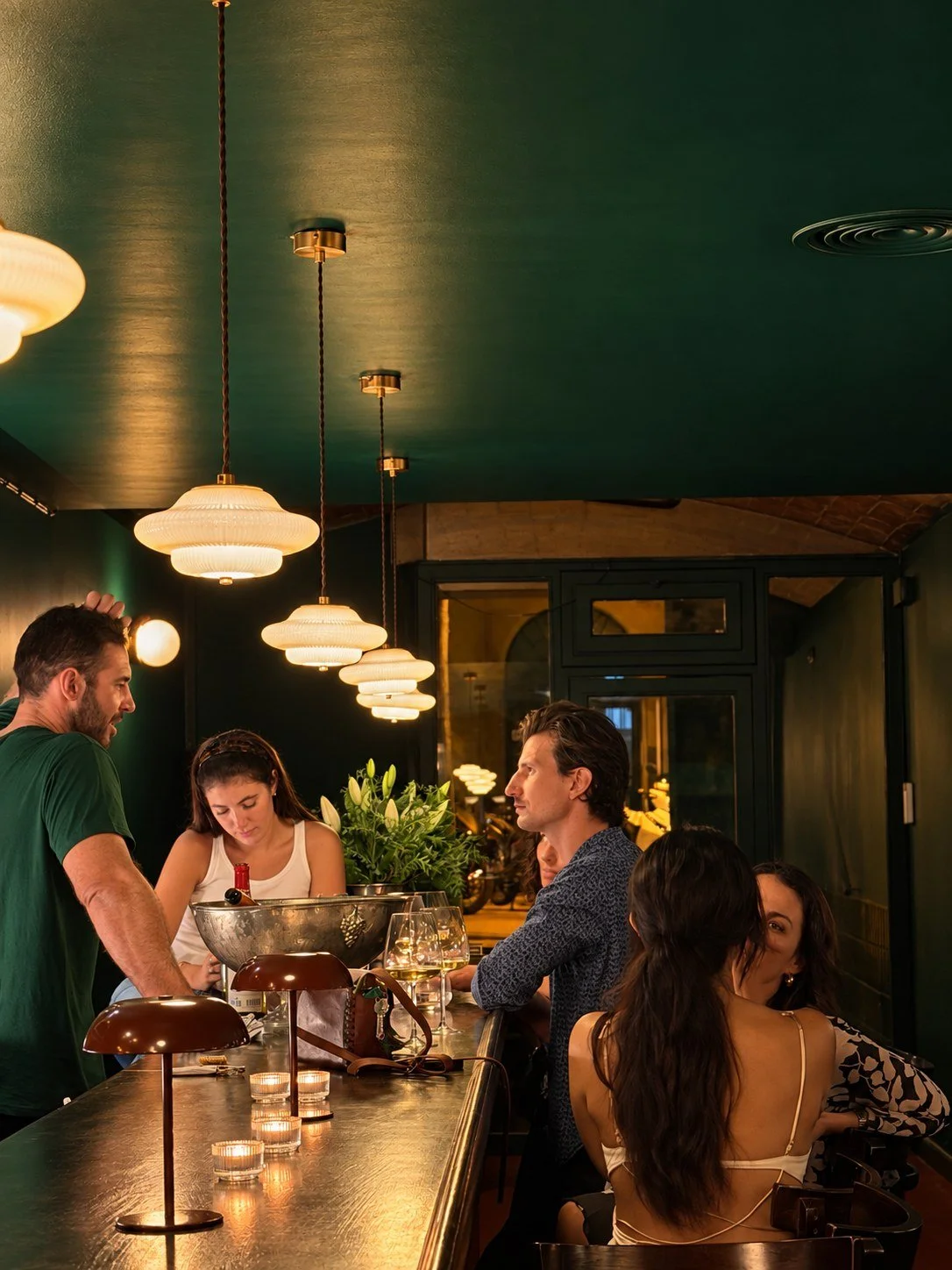
Explore duck confit parmentier on Brigitte’s current menu. The Parisian bar at 91 Carrer d’Enric Granados in Barcelona brings French cooking to your dinner plans; check the current offer before booking.
Some evenings call for a dish that makes you want to sit down, take your time and enjoy dinner. Duck confit parmentier fits that idea of comforting French food. In Barcelona, it can be a way to return to a familiar culinary reference, introduce a speciality to someone or gather friends around a particular appetite. The dish becomes the beginning of the plan rather than a detail left until the last moment. Choosing where to eat then means finding both the food you want and a setting for the time you hope to share.
At Brigitte, duck confit parmentier is one of the dishes to explore on the current menu. It belongs to French cooking served within the character of a Parisian bar. Genuine photographs of the room and the menu help connect that appetite with a practical dinner plan. Check the current offer, see which other dishes might suit your companions and choose a date. The parmentier can be the starting point for your evening without requiring everyone at the table to order the same food. Different choices leave room for the pleasure of eating together.
Why parmentier suggests comfort food
Parmentier refers to a family of dishes associated with potato. In the duck confit version, the meeting of duck and mashed potato gives enthusiasts a recognisable starting point. That broad description explains the dish's comforting image without defining every recipe. Each kitchen can make its own choices about preparation and presentation. If exact ingredients or another detail matter to you, use the current menu and information provided directly by Brigitte's team. A general understanding is useful, but it should not replace asking about the dish actually being offered during your visit.
The attraction can be simple: wanting a cooked dish, enjoying a familiar texture or remembering a French meal. A special celebration is not required. After a busy day, during a stay in Barcelona or when meeting friends, parmentier can answer an appetite that needs no further justification. Choose it because it is what you want to eat, rather than because dinner in a French venue supposedly requires a set programme of specialities. That keeps the evening connected to your pleasure instead of turning a menu into a list of obligations to complete.
Give the dish a central place in dinner
If parmentier is your main reason for coming, leave it an appropriate place in the order. Several first plates can be enjoyable, but they should not prevent you enjoying the dish you anticipated. Consider your appetite, the portions currently offered and what you might want afterwards. The menu provides a practical starting point. No universal quantity suits every guest and occasion. Your actual hunger and idea of the meal remain more useful than a rule that all dinners must include a starter, main dish, cheese and dessert regardless of what anyone wants.
You might choose to go directly to parmentier and decide later about dessert. Alternatively, share a first plate with companions before everyone selects a main course. This freedom makes planning feel natural. You do not need to treat the menu as something to work through in a prescribed order. Choose what appeals and ask about formats if you are unsure. A coherent order is often more enjoyable than accumulating dishes that no longer match your appetite when they arrive. Leaving room for the anticipated main plate can make the evening more satisfying.
Introduce duck confit to friends
When guests know little about French food, a dish name may benefit from a short explanation. You can describe parmentier as a cooked dish bringing duck and potato together, then let the menu and the team explain the current preparation. This gives a reference without announcing ingredients or a recipe that have not been checked. Discovery is more pleasant when it begins with an accurate description and space for questions. Your guests do not need a complicated account of gastronomy to decide whether they would like to try the food in front of them.
Let them choose whether that style of dish appeals. Someone may prefer tuna tartare, another hand-cut beef tartare, while another wants to begin with something for sharing. Brigitte's current menu offers different ways into dinner. You can select the venue because you want parmentier and still have a lovely evening with people who order other dishes. What connects the table is the time you are making for one another, rather than identical plates. A good invitation leaves each guest free to participate through their own tastes and appetite while enjoying the same place.
Parmentier or ham and truffle coquillettes?
Both can appeal when you are searching for comforting food in Barcelona. Ham and truffle coquillettes suggest a different familiar register, centred on pasta. Parmentier puts duck at the heart of your choice. If you are undecided, start with what you fancy that evening and read the current descriptions. There is no need to identify one dish as the overall winner. Each meets a preference that may change from one visit to the next. Choosing dinner is about the appetite you have now, not making a permanent judgement between two French menu options.
For a group, that variety can make ordering easier. Some guests want to discover duck, while others are drawn to pasta or truffle. If the idea is to taste several dishes, ask whether the current formats suit sharing. Explain that intention before ordering; it cannot be inferred simply because several people have booked together. The team can respond using the actual menu and help distinguish individual dishes from anything you want to share. A little clarity protects everyone's expectations while keeping the dinner convivial and open to several different ways of enjoying the food.
Choose a beginning that leaves room for the main dish
Eggs mimosa and mini truffle croques may suggest ways to begin a French evening. Consider them as part of the whole meal. Perhaps you want a small first step before parmentier; perhaps you prefer to save your appetite for it. A starter is not compulsory. If companions wish to order several first plates, you can participate according to your own appetite. Make the order clear for both the table and the team so that sharing does not accidentally become a set programme everyone is expected to follow to the same extent.
The same applies to homemade foie gras when available on the menu. If another speciality is important to the visit, check before building a whole sequence around it. Products and dishes can change. You can plan a few wishes while keeping an alternative you would genuinely enjoy. Dinner does not need to depend on one exact scenario to succeed. Using the current offer and your actual appetite keeps the choices connected to the evening itself rather than to an inflexible picture of what the meal ought to contain before you have even arrived.
Select drinks for the people at the table
A duck dish may lead you to explore Brigitte's French wine list. Start with your preferences, then consider companions' food if sharing a bottle. Useful advice takes both into account alongside the references actually available. Insisting on a single appellation without knowing your tastes or the preparation would be less helpful. Explain whether you want a glass or a bottle, and check prices before deciding. The choice can remain simple while still showing attention to the table. You do not need extensive wine knowledge to describe the style you normally enjoy drinking.
Some guests will not want wine or alcohol. That does not change their place in the dinner. If you are organising, leave people free to choose from the available drinks. Agree a principle for shared spending before ordering. A bottle shared by only part of the group does not necessarily need to be split between everyone. Clarifying these arrangements keeps conversation easy and lets the drink accompany the meal rather than become a point of disagreement at the end. The simplest option is the one the people involved understand and are happy to follow.
A Parisian setting for French food in Barcelona
Brigitte's photographs show bottle green, dark wood, mirrors and tables that give the room its personality. They help connect your wish for parmentier with an atmosphere. A restaurant is also chosen through what you imagine doing there with your companions. Perhaps you are hosting a French friend, having dinner with your partner or discovering somewhere with colleagues. Looking at the room complements reading the menu. The two together help you choose an evening that suits your actual company, rather than selecting a dish without considering the place in which you will enjoy it.
Distinguish the atmosphere shown in photographs from a confirmed table arrangement. Include any important request when booking. For a birthday, company dinner or private hire, explain the plan and wait for a response about what can be arranged. Do not assume an individual menu dish is automatically included in an event proposal. The food gives your evening an appealing direction; practical arrangements need discussion with the team according to the date, numbers and requirements. That keeps the information you share with guests aligned with the event that has genuinely been agreed.
Prepare your visit around a particular appetite
If duck confit parmentier is the main reason for visiting, check availability and the current price. Ask ingredient questions before ordering, particularly where allergies or dietary needs are concerned. A general description does not replace a response relevant to your situation. Any requested adjustment also needs discussion and agreement. These details let you choose with a clearer understanding of the actual dish, without presuming a recipe or possibility the venue has not announced. A brief question can be enough to settle an important expectation before it influences the rest of your dinner plans.
Then prepare the date, arrival time and exact number of guests. Send the request through the official website after reading the displayed conditions. Wait for confirmation before treating the table as secured and share the validated information with companions. This preparation can stay brief while leaving the enjoyable part of dinner at the centre once you arrive. You will not need to keep organising the group between orders. The practical framework will already be in place so you can choose food, take time to talk and enjoy discovering Brigitte together during the evening.
Request your next dinner at Brigitte
Want to enjoy duck confit parmentier in Barcelona? Explore Brigitte's current menu and genuine photographs to prepare the visit. Make the dish the heart of dinner, choose a first plate if it appeals and perhaps leave space for cheese or dessert. Other guests can follow their own appetites. A comforting speciality can become the starting point for a shared evening without making the order compulsory for the whole table. One precise food wish is enough to begin a plan, provided everyone still has room to enjoy the occasion in their own way.
Use the reservation page on Brigitte's official website to request a table. Include the details and questions essential to your visit, then wait for confirmation. You will have a concrete plan: a date, the people you want to see and a place whose French cooking makes you want to sit down for dinner. Parmentier becomes more than a dish searched for in Barcelona. It becomes one reason to spend an evening together, with Brigitte's Parisian character providing the setting for a meal chosen according to your appetite and the pleasure of the moment.
Plan your visit
Brigitte welcomes members and their guests aged 18 and over at 91 carrer d’Enric Granados, Barcelona. Stated hours are Tuesday to Saturday, 6 pm to 2 am. Check current arrangements and wait for your reservation confirmation.