Français · English · Español · Català
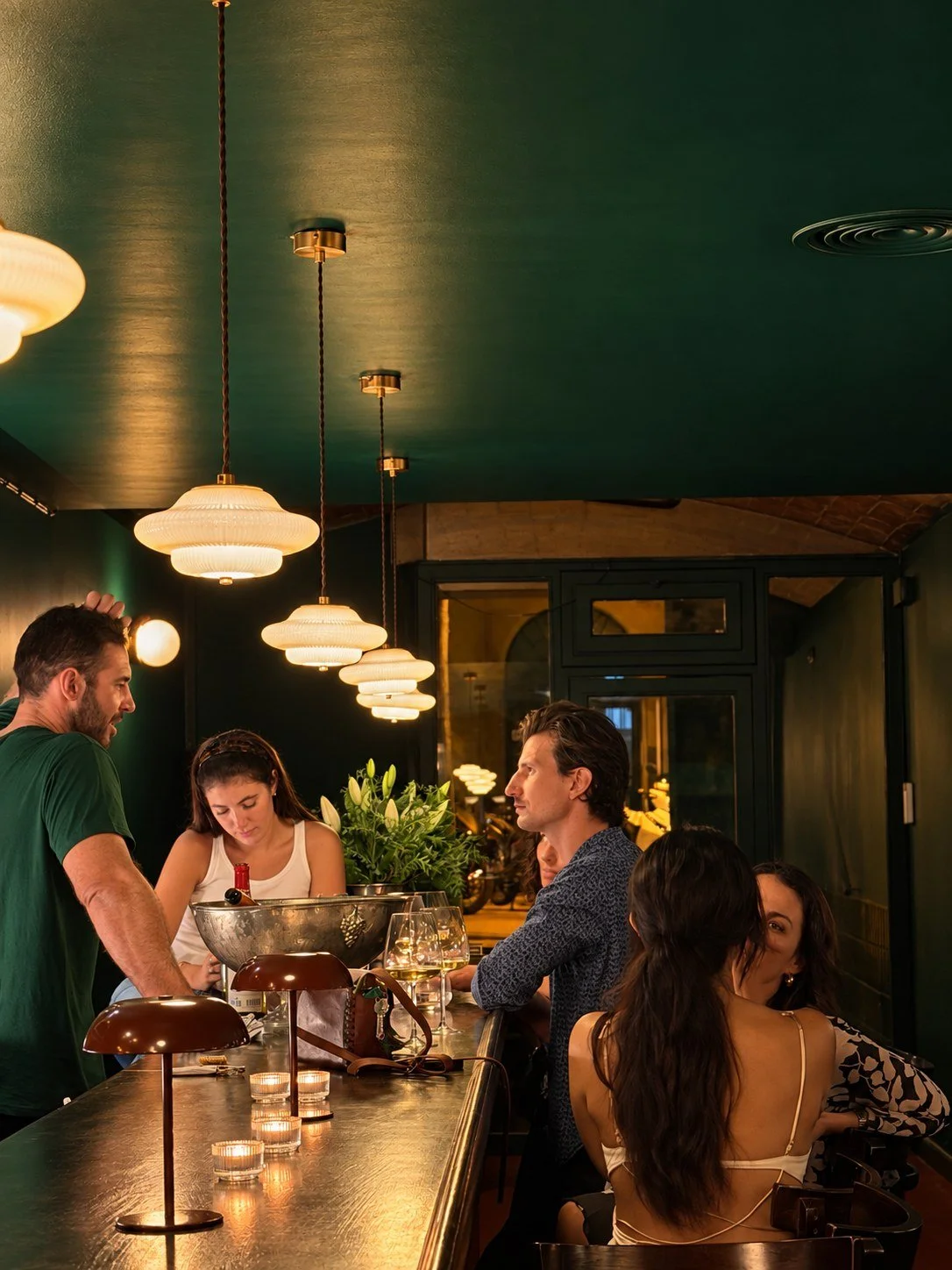
Explore hand-cut beef tartare at Brigitte, a Parisian bar at 91 Carrer d’Enric Granados in Barcelona. Check the current menu for the serving format, accompaniments and availability.
When you are craving beef tartare, you are looking for more than somewhere that serves meat. You may already have a texture, seasoning and style of meal in mind. This raw preparation is one of the recognisable dishes of French dining, and choosing it in Barcelona can become the starting point for dinner with friends, an evening as a couple or introducing a speciality to a visitor. The dish matters, but the place should also suit the time you want to share. A useful choice connects the food you want with the kind of evening you are planning.
At Brigitte, hand-cut beef tartare belongs to a French menu within a Parisian bar setting. Other dishes give guests different ways to choose: tuna tartare, eggs mimosa, mini truffle croques or duck confit parmentier, depending on the current offer. Check the menu for the tartare's availability, serving format and price. You can then request a table with a practical idea of dinner, without assuming that every person coming with you wants the same dish. A shared evening can accommodate different appetites while keeping the pleasure of sitting down together at its centre.
Why hand-cut makes a difference to expectations
The description hand-cut refers to meat cut manually with a knife rather than processed through a mincer. For enthusiasts, this helps establish an expectation about texture. It does not, on its own, explain every seasoning ingredient, the origin of the meat or the accompaniments being served. If one of those details determines your choice, ask the team directly. A dish name points you in a direction; information about the preparation offered during your visit gives you a clearer basis for deciding whether it matches your tastes.
You do not need technical language to describe what you enjoy. A preference for a more noticeable texture or a restrained seasoning can be explained simply. Whether a preparation can be adjusted depends on the kitchen's arrangements, so changes should not be assumed. Ask before ordering if something is important to you. A short conversation is more useful than expecting this tartare to reproduce one you ate elsewhere. Recipes and portions differ, and the enjoyable part of discovering a restaurant is understanding its actual dish rather than measuring it against an unspoken expectation.
A French classic without a fixed dinner programme
Tartare can be the central dish of a meal without requiring a set sequence of starters and desserts. You might begin with a small plate, go directly to the main dish or plan the order around your companions' wishes. Part of the appeal of bistro-style cooking is this freedom: recognisable dishes that fit into a real evening. French dining does not require every guest to follow the same sequence or choose the same food. The practical aim is a meal people want to eat, at a pace that works for the table.
If you know beef tartare well, the choice may be immediate. If it is new to you, read the description and ask questions before deciding. A classic dish is not automatically familiar to everyone, and not every guest knows whether its preparation suits their preferences. Choosing something else after asking is perfectly reasonable. A good order begins with a genuine wish to eat the food. It should not come from feeling obliged to try the speciality that someone else has decided everyone must have in order to experience a French dinner.
Build the meal around what you are looking forward to
Think about the place you want tartare to have in dinner before ordering several first plates. If it is the dish you have been waiting for, a simpler start may let you enjoy it more. Eggs mimosa and mini truffle croques are other possibilities on Brigitte's menu, to consider according to appetite and the number sharing. Current serving formats are more useful than a general rule about quantities. Explain what kind of meal you have in mind rather than adding portions without considering the combined order and the amount everyone actually wants.
Guests can also choose individual starters and meet again around the main part of the meal. That can be easier when tastes differ or people arrive with different appetites. Dinner among friends does not need to become a negotiation over every plate. Be clear about what is shared and what each guest is ordering personally. Keeping that distinction simple preserves conviviality while leaving someone who prefers a cooked dish free to choose one. Your interest in tartare can be the reason for selecting the venue without becoming a requirement for everyone at the table.
Beef, tuna or a cooked dish?
Tuna tartare offers a different possibility for guests drawn towards fish. Do not assume that beef and tuna tartares share the same seasoning or presentation. Read the descriptions separately and ask if you are undecided. Your preference might be as straightforward as wanting meat or fish that evening. The right choice is the food you will enjoy within the dinner you are planning, rather than the option that sounds more unusual. A little information helps you decide with confidence while leaving plenty of room for discovery at the table.
For someone who does not want a raw preparation, duck confit parmentier and ham and truffle coquillettes indicate another side of Brigitte's cooking, subject to the current menu. Explain dietary needs and allergies before ordering, and check directly what can be offered. The same table can bring different preferences together without losing its sense of occasion. Guests share a place, a conversation and an evening even when their plates look different. Choosing a restaurant with several appealing possibilities can therefore be more useful than insisting on a single dish as the focus for the entire group.
Choosing wine for your dinner
Wine can begin with your preferences rather than an allegedly compulsory pairing. Do you usually enjoy reds or whites? Are you selecting a bottle for several dishes or a glass for your own meal? Explain those wishes, then consult the references and prices on the current list. The tartare's seasoning and the other guests' food can also influence advice. Without that information, naming one appellation as the perfect answer would not help you make a choice grounded in the evening you are actually arranging. A conversation is more useful than an inflexible rule.
When sharing a bottle, talk about budget and the group's habits as well. Some guests prefer ordering by the glass; others do not want wine. The simplest arrangement is one everyone understands. You do not need to change individual preferences to create a French dinner. Drinks accompany the food and conversation without needing to become a complicated exercise. A question about style and price often establishes enough of a starting point to ask the team for guidance and choose something the people drinking it will enjoy throughout their meal.
Leave room for cheese or dessert if you want it
Tartare can be followed by French cheese or a dessert when that suits your appetite. Brigitte's menu gives different ideas for the end of dinner: a cheese board, Saint-Marcellin, chocolate mousse or caramel brioche, according to what is being offered. Looking at this part early does not mean fixing every course in advance. It simply helps you know whether to leave space for something that especially appeals. That is more enjoyable than discovering your favourite dessert only after ordering more first plates than you actually wanted to eat.
Within a group, some guests may want to continue with dessert while others stop after their main dish. Those differences are ordinary and need not interrupt a pleasant dinner. If you share something, check its format and any ingredients that matter to the people involved. Keep the decision enjoyable: a dessert does not become better because everyone is expected to order one. An ending chosen around your appetite and taste extends the experience more naturally than another course added automatically when nobody really wants it at that point in the evening.
Choose a setting as well as a dish
Brigitte's Parisian character forms part of the idea of French dining in Barcelona. Genuine photographs show bottle green, dark wood, mirrors and the room's details. If you are deciding where to take a friend who enjoys tartare, these images connect the dish with an atmosphere. They can also help you consider whether to come as a couple or arrange a larger gathering. A considered choice brings guests' food preferences together with the kind of time they want to spend. The menu and the room answer different, equally practical questions about dinner.
If the occasion is a birthday, business dinner or group gathering, say so in the request. Do not assume that every individual menu item can be offered in a particular event format. If tartare needs a place in a menu agreed in advance, discuss that with the team and wait for confirmation. You can then share a reliable plan with guests. The food gives the event a direction; the concrete arrangements depend on what has been accepted for the date and number of people involved, rather than on a general description of the restaurant.
Check the current details before booking
Read the current menu for the price, portion and announced accompaniments. An older post or photograph may not describe the service you are planning to attend. If wanting tartare determines the outing, ask about its availability. For ingredients or dietary needs, contact the team before ordering. A dish name cannot answer a particular question that has not yet been considered. Making an important expectation explicit allows the venue to respond to the actual request and gives you a better basis for deciding whether to plan the evening around that dish.
Then prepare the reservation details: date, arrival time and number of guests. Mention any important seating preference or other request and wait for a specific response. A submitted form does not automatically guarantee everything entered in its comments. Read the conditions displayed during booking and wait for confirmation. You can then tell companions what has genuinely been arranged and arrive with a clear idea of the reserved time. Settling these details beforehand leaves the beginning of dinner free for welcoming people and choosing food rather than sorting out practical assumptions once everyone is there.
Request your table at Brigitte
Looking for hand-cut beef tartare in Barcelona with a Parisian setting? Browse Brigitte's current menu to explore the dish and the other possibilities for your meal. Look at genuine photographs of the venue, then choose a date that works for the people you would like to bring. Dinner can begin with one precise craving while leaving your guests free to choose their own dishes. That is often how a search for a speciality becomes a welcome reason to gather people for an evening that everyone can enjoy in their own way.
Use the reservation page on Brigitte's official website to request a table. Include the necessary details and ask if tartare availability or a preparation detail is essential to your visit. After receiving answers and confirmation, you can look forward to the pleasant part: meeting your companions, discovering the menu and enjoying French food in Barcelona. The dish you were searching for becomes the beginning of a shared moment in a setting that appealed to you, with the practical arrangements already clear enough to let the conversation and dinner take their course.
Plan your visit
Brigitte welcomes members and their guests aged 18 and over at 91 carrer d’Enric Granados, Barcelona. Stated hours are Tuesday to Saturday, 6 pm to 2 am. Check current arrangements and wait for your reservation confirmation.